What does Romans 6:1-2 mean?
"Romans 6:1-2: 1 What shall we say then? Shall we continue in sin that grace may abound? 2 God forbid. How shall we, that are dead to sin, live any longer therein?" - Romans 6:1-2
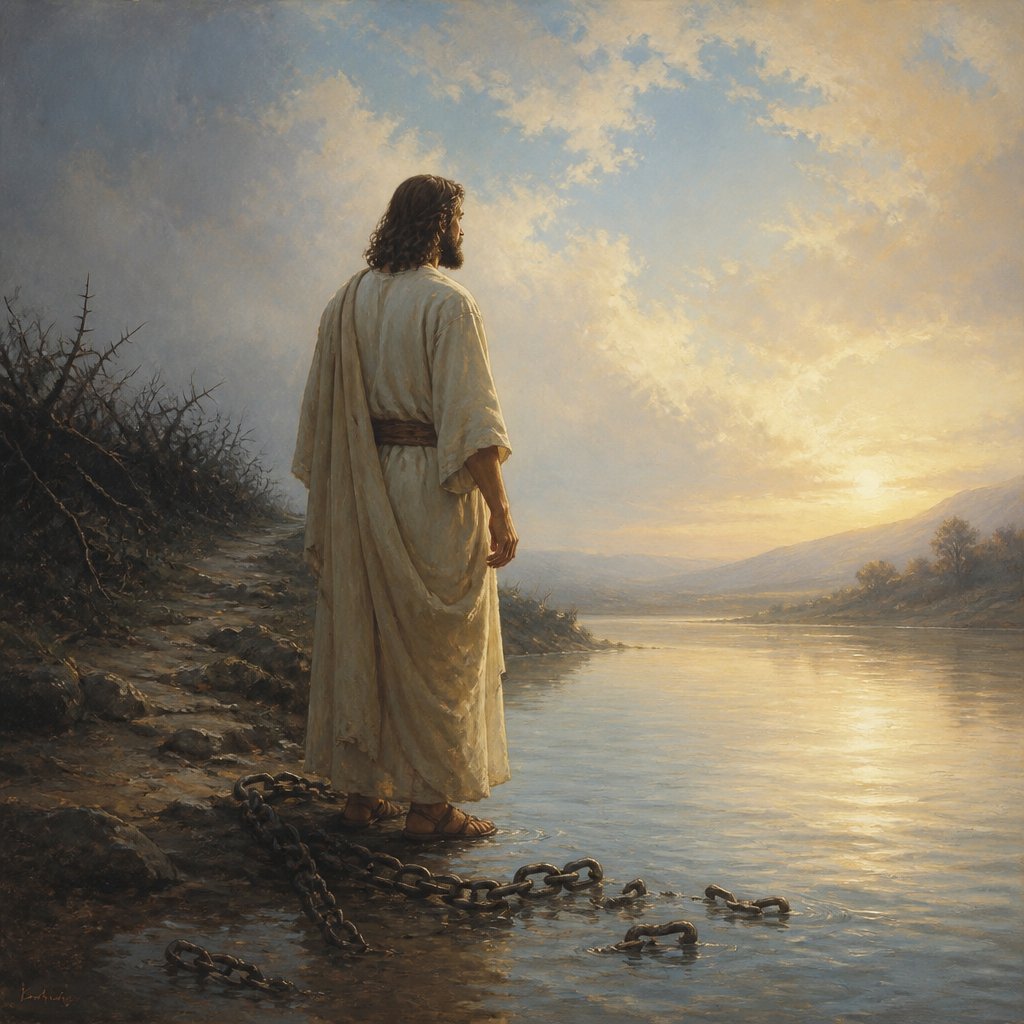
Romans 6:1-2 in the King James Version of the Bible states, "What shall we say then? Shall we continue in sin, that grace may abound? God forbid. How shall we, that are dead to sin, live any longer therein?"
These verses from the book of Romans delve into the Christian concept of grace and its potential misuse. The passage poses a rhetorical question about the Christian's relationship to sin in light of the abundance of grace offered by God. The apostle Paul, the author of Romans, addresses this issue with a strong rebuttal, emphasizing that grace does not give believers a license to continue living in sin. Rather, it is a call to live a life transformed by grace and freed from the power of sin.
The context of Romans 6:1-2 is significant in understanding its meaning. In the preceding chapters and verses, Paul expounds on the concept of grace and justification by faith. He explains how all have sinned and fallen short of the glory of God (Romans 3:23), but through faith in Jesus Christ, believers are justified and reconciled to God. Paul stresses that this justification is a result of God's grace, which is extended to humanity regardless of their works or efforts (Romans 3:24).
However, in Romans 5:20, Paul acknowledges that where sin increased, grace abounded even more. This raises the question of whether believers should continue in sin so that grace may abound. In Romans 6:1-2, Paul emphatically rejects this notion, using the phrase "God forbid" to emphasize the absurdity of such thinking. He then poses the question of how those who have died to sin can continue living in it.
The theme of grace and its relationship to sin is central to these verses. Grace, in the Christian context, is the unmerited favor and love of God extended to humanity. It is through God's grace that believers are forgiven and justified, despite their sinful nature. However, the passage warns against misusing grace as a justification for continuing in sin. Instead, believers are called to live a life that reflects the transformative power of grace and to resist the pull of sin.
The concept of being "dead to sin" is also significant in these verses. It refers to the believer's identification with Christ's death and resurrection, symbolizing a break with the power and mastery of sin. This imagery is prevalent throughout Paul's writings and emphasizes the believer's new identity in Christ, free from the bondage of sin.
The symbolism in these verses is rich and multifaceted. The contrast between being "dead to sin" and continuing to "live any longer therein" highlights the radical transformation that occurs in the life of a believer. The language of death and life underscores the profound change brought about by God's grace, as well as the believer's responsibility to live in accordance with this new reality.
Overall, Romans 6:1-2 serves as a powerful reminder of the proper response to God's grace. It challenges believers to live a life that honors the transformative work of grace and to reject the notion of using it as a justification for sin. The passage emphasizes the believer's new identity in Christ and their call to live in accordance with this new reality, free from the power of sin. It stands as a poignant reminder of the profound implications of God's grace and the believer's responsibility to live in light of it.
Have questions about Romans 6:1-2?
Dive deeper into this scripture with Bible Chat — an AI-powered tool for exploring God's Word through conversation. Ask questions, get context, and grow in your understanding of the Bible.
Get Our Apps


Romans 6:1-2 Artwork

Romans 6:1-2 - "What shall we say, then? Shall we go on sinning so that grace may increase? By no means! We are those who have died to sin; how can we live in it any longer?"
"What shall we say, then? Shall we go on sinning so that grace may increase? By no means! We are those who have died to sin; how can we live in it any longer?" - Romans 6:1-2

Romans 6:1 - "What shall we say then? Shall we continue in sin, that grace may abound?"

Romans 6:23

Romans 6:23

Romans 2:6 - "Who will render to every man according to his deeds:"

Romans 1:6 - "Among whom are ye also the called of Jesus Christ:"

Romans 2:4

"What shall we say then? Shall we continue in sin, that grace may abound?" - Romans 6:1

Romans 6:2 - "God forbid. How shall we, that are dead to sin, live any longer therein?"

romans 12:1-2

Romans 12:1-2
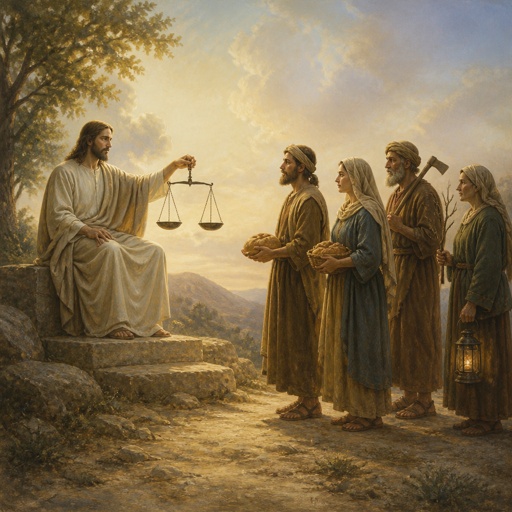
"Who will render to every man according to his deeds:" - Romans 2:6
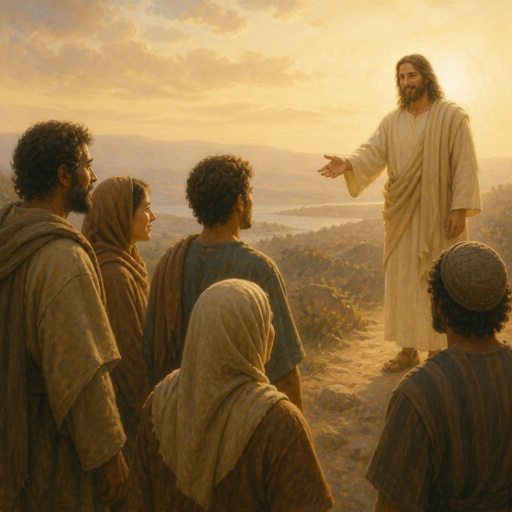
"Among whom are ye also the called of Jesus Christ:" - Romans 1:6

Romans 1:2 - "(Which he had promised afore by his prophets in the holy scriptures,)"

Romans 8:6

Romans 2:6-7 - "God "will repay each person according to what they have done." To those who by persistence in doing good seek glory, honor and immortality, he will give eternal life."

"God forbid. How shall we, that are dead to sin, live any longer therein?" - Romans 6:2

Romans 6:7 - "For he that is dead is freed from sin."

Romans 12:2

Romans 12:2

Romans 12:2

Romans 12:2

Romans 12:2

Romans 12:2

Romans 12:2

Romans 6:6 - "Knowing this, that our old man is crucified with him, that the body of sin might be destroyed, that henceforth we should not serve sin."

Romans 8:6 - "For to be carnally minded is death; but to be spiritually minded is life and peace."

Romans 16:6 - "Greet Mary, who bestowed much labour on us."

Romans 3:6 - "God forbid: for then how shall God judge the world?"