What does Romans 5:20-21 mean?
"The KJV of Romans 5:20-21 is: "Moreover the law entered, that the offence might abound. But where sin abounded, grace did much more abound: That as sin hath reigned unto death, even so might grace reign through righteousness unto eternal life by Jesus Christ our Lord."" - Romans 5:20-21

Romans 5:20-21 in the King James Version (KJV) reads:
Moreover the law entered, that the offense might abound. But where sin abounded, grace did much more abound: That as sin hath reigned unto death, even so might grace reign through righteousness unto eternal life by Jesus Christ our Lord.
This passage from the Book of Romans provides a powerful and profound message about the concepts of sin, grace, and righteousness. It is a reflection on the redemptive power of God's grace and the triumph of righteousness through faith in Jesus Christ.
The passage begins by acknowledging the purpose of the law, which is to reveal and amplify the reality of human sinfulness. The entrance of the law into the world brought to light the true extent of human transgression, making the offense more evident and abundant. It underscores the fact that no one is exempt from the reality of sin and its consequences. The law serves as a mirror that reflects the fallen nature of humanity, exposing the depth of our disobedience and separation from God.
However, despite the overwhelming prevalence of sin, this passage brings hope by declaring that where sin abounded, grace did much more abound. This is a remarkable statement that highlights the boundless and immeasurable nature of God's grace. It indicates that the extent of God's grace far exceeds the magnitude of human sin. No matter how great the offenses may be, God's grace is infinitely greater and more powerful. This presents a powerful message of hope and redemption, emphasizing that no one is beyond the reach of God's grace and forgiveness.
The passage goes on to contrast the reign of sin, which leads to death, with the reign of grace through righteousness, which leads to eternal life. It emphasizes that just as sin has held sway over humanity, leading to spiritual death and separation from God, so too does grace reign through righteousness. The narrative shifts from the consequences of sin to the triumph of grace, demonstrating how the righteousness obtained through faith in Jesus Christ leads to justification and eternal life.
The passage concludes by pointing to Jesus Christ as the source of this grace and righteousness. It underscores that the reign of grace and righteousness is made possible only through Him. It is through the sacrificial death and resurrection of Jesus Christ that grace abounds and righteousness reigns, offering the promise of eternal life to all who believe in Him.
One of the central themes of this passage is the contrast and triumph of grace over sin. It underscores the fundamental Christian teaching that salvation and redemption come through God's grace, not through human efforts or achievements. It highlights the unmerited favor and forgiveness of God as the central means of reconciliation and restoration for humanity. It encourages believers to place their trust in the sufficiency of God's grace, recognizing that it transcends the limitations of human sinfulness.
Another key theme is the concept of righteousness through faith in Jesus Christ. The passage emphasizes that the pathway to eternal life is through the righteousness that comes from believing in Jesus. It underscores the necessity of personal faith and trust in Him as the source of salvation and the means of receiving God's grace. This highlights the central role of Jesus Christ as the mediator between God and humanity, offering the way to reconciliation and eternal life.
In terms of context, this passage is situated within the broader message of the Book of Romans, which explores the themes of sin, righteousness, and salvation. The apostle Paul, the author of Romans, addresses the universal condition of human sinfulness and the transformative power of God's grace. This passage is part of Paul's argument that justification and salvation come through faith in Christ, not through adherence to the law or individual effort. It serves as a pivotal point in the overall message of redemption and restoration through Jesus Christ.
Symbolically, this passage represents the triumph of grace and righteousness over the dominion of sin and death. It symbolizes the victory of God's redemptive plan through the sacrificial death and resurrection of Jesus Christ. It conveys the motif of hope and renewal, emphasizing the transformative power of God's grace in the face of human sinfulness. It symbolizes the ultimate victory of God's love and forgiveness over the fallen state of humanity, offering a message of hope and reconciliation.
Have questions about Romans 5:20-21?
Dive deeper into this scripture with Bible Chat — an AI-powered tool for exploring God's Word through conversation. Ask questions, get context, and grow in your understanding of the Bible.
Get Our Apps


Romans 5:20-21 Artwork

Romans 5:20-21 - "The law was brought in so that the trespass might increase. But where sin increased, grace increased all the more, so that, just as sin reigned in death, so also grace might reign through righteousness to bring eternal life through Jesus Christ our Lord."

"The law was brought in so that the trespass might increase. But where sin increased, grace increased all the more, so that, just as sin reigned in death, so also grace might reign through righteousness to bring eternal life through Jesus Christ our Lord." - Romans 5:20-21

Romans 5:20 - "Moreover the law entered, that the offence might abound. But where sin abounded, grace did much more abound:"

Romans 4:20-21 - "He staggered not at the promise of God through unbelief; but was strong in faith, giving glory to God; And being fully persuaded that, what he had promised, he was able also to perform."

Romans 5:21 - "That as sin hath reigned unto death, even so might grace reign through righteousness unto eternal life by Jesus Christ our Lord."

"Moreover the law entered, that the offence might abound. But where sin abounded, grace did much more abound:" - Romans 5:20

Romans 12:20-21 - "On the contrary: "If your enemy is hungry, feed him; if he is thirsty, give him something to drink. In doing this, you will heap burning coals on his head." Do not be overcome by evil, but overcome evil with good."

Luke 5:20-21 - "When Jesus saw their faith, he said, “Friend, your sins are forgiven.” The Pharisees and the teachers of the law began thinking to themselves, “Who is this fellow who speaks blasphemy? Who can forgive sins but God alone?”"

Romans 5:1

Romans 12:21 - "Be not overcome of evil, but overcome evil with good."

Romans 5:19

Romans 5:8

Romans 5:8

Romans 5:8

Romans 5:19

Romans 5: 1-11

Romans 5: 1-11

romans 12: 4-5

Romans 5:4 - "And patience, experience; and experience, hope:"

Romans 6:20 - "For when ye were the servants of sin, ye were free from righteousness."

Romans 2:20 - "An instructor of the foolish, a teacher of babes, which hast the form of knowledge and of the truth in the law."

Romans 16:21 - "Timotheus my workfellow, and Lucius, and Jason, and Sosipater, my kinsmen, salute you."

Romans 3:21 - "But now the righteousness of God without the law is manifested, being witnessed by the law and the prophets;"

Romans 15:21 - "But as it is written, To whom he was not spoken of, they shall see: and they that have not heard shall understand."

Acts 16:21 - "And teach customs, which are not lawful for us to receive, neither to observe, being Romans."

Luke 13:20-21

Luke 13:20-21
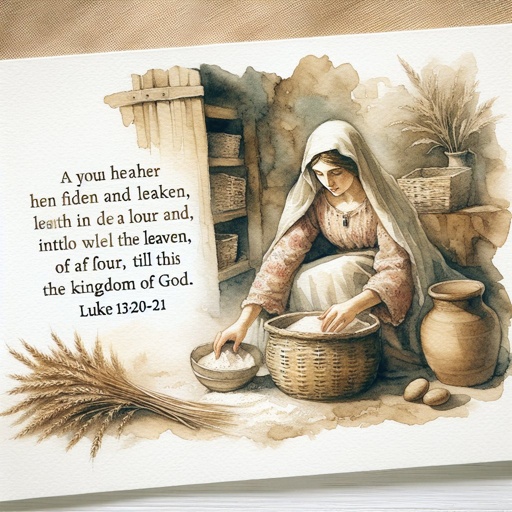
Luke 13:20-21

Luke 13:20-21

Luke 13:20-21