What does Romans 4:7 mean?
"Saying, Blessed are they whose iniquities are forgiven, and whose sins are covered." - Romans 4:7
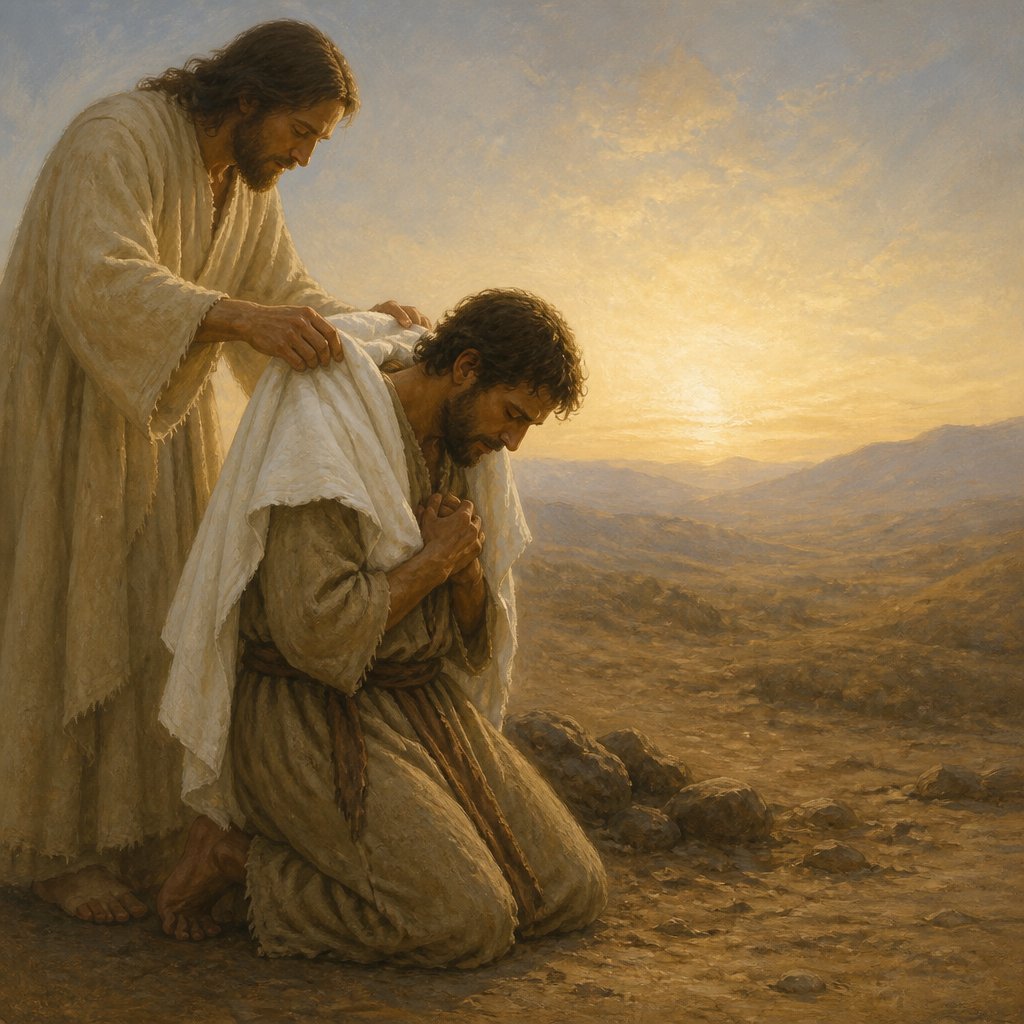
Romans 4:7 (KJV) reads: "Blessed are they whose iniquities are forgiven, and whose sins are covered."
This verse is a powerful declaration of the grace and mercy of God. It speaks to the core of the Christian faith, which is the forgiveness of sins through Jesus Christ. In this verse, the Apostle Paul is referencing Psalm 32:1-2, which says, "Blessed is he whose transgression is forgiven, whose sin is covered. Blessed is the man unto whom the Lord imputeth not iniquity, and in whose spirit there is no guile." By quoting this verse, Paul is making a connection between the Old Testament concept of forgiveness and the fulfillment of that concept in the person and work of Jesus Christ.
The theme of forgiveness is central to the Christian faith. The Bible teaches that all human beings are sinful and fall short of the glory of God (Romans 3:23). Our sin separates us from God and brings spiritual death (Romans 6:23). However, the good news is that God, through His love and mercy, has made a way for us to be forgiven and reconciled to Him. This forgiveness is not something that we can earn or achieve on our own; it is a free gift from God that comes through faith in Jesus Christ (Ephesians 2:8-9).
The imagery of sins being covered is significant in this verse. In the Old Testament, the Day of Atonement was a solemn day when the High Priest would enter the Holy of Holies and sprinkle the blood of sacrificial animals on the mercy seat to atone for the sins of the people (Leviticus 16:15-16). This act symbolized the covering of sins, the removal of guilt, and the restoration of fellowship with God. In the New Testament, Jesus is revealed as the ultimate and perfect sacrifice for sins. His blood truly covers and atones for our sins, providing complete and eternal forgiveness.
The word "blessed" in this verse indicates a state of happiness, well-being, and divine favor. Those whose sins are forgiven and covered can experience the blessing of peace with God, the assurance of salvation, and the hope of eternal life. This blessing is not based on our own goodness or merit, but on the grace and love of God. It is a blessing that brings freedom from guilt, shame, and condemnation. It is a blessing that transforms lives and gives meaning and purpose.
The context of Romans 4:7 is important for understanding its meaning. In the preceding verses, Paul is using the example of Abraham to illustrate the principle of justification by faith. He points out that Abraham was justified not by his works, but by his faith in God's promise (Romans 4:3). This serves as a powerful reminder that forgiveness and righteousness come through faith, not through religious rituals or moral efforts. By quoting Psalm 32:1-2, Paul reinforces the truth that forgiveness is available to all who trust in God and His provision for salvation.
In conclusion, Romans 4:7 is a beautiful and profound declaration of the blessedness of those who have experienced the forgiveness of their sins. It reminds us of the central message of the Gospel – that God has provided a way for our sins to be forgiven and covered through the atoning sacrifice of Jesus Christ. It encourages us to embrace this truth with faith and receive the fullness of God's blessing. As we meditate on this verse, may we be filled with gratitude for the immeasurable gift of forgiveness and the abundant blessings that come from being reconciled to God.
Have questions about Romans 4:7?
Dive deeper into this scripture with Bible Chat — an AI-powered tool for exploring God's Word through conversation. Ask questions, get context, and grow in your understanding of the Bible.
Get Our Apps


Romans 4:7 Artwork

Romans 4:7 - "Saying, Blessed are they whose iniquities are forgiven, and whose sins are covered."

Romans 4:7-8 - "Blessed are those whose transgressions are forgiven, whose sins are covered. Blessed is the one whose sin the Lord will never count against them."
"Saying, Blessed are they whose iniquities are forgiven, and whose sins are covered." - Romans 4:7
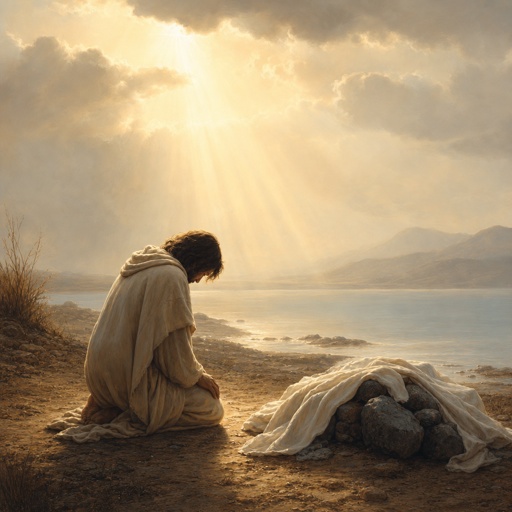
"Blessed are those whose transgressions are forgiven, whose sins are covered. Blessed is the one whose sin the Lord will never count against them." - Romans 4:7-8

Romans 7:19

Romans 7:12

Romans 7:4 - "Wherefore, my brethren, ye also are become dead to the law by the body of Christ; that ye should be married to another, even to him who is raised from the dead, that we should bring forth fruit unto God."

Romans 4:3

Romans 2:4

Romans 4:4 - "Now to him that worketh is the reward not reckoned of grace, but of debt."
romans 12: 4-5

Romans 6:7 - "For he that is dead is freed from sin."

Wherefore, my brethren, ye also are become dead to the law by the body of Christ; that ye should be married to another, even to him who is raised from the dead, that we should bring forth fruit unto God. Romans 7:4

Romans 5:4 - "And patience, experience; and experience, hope:"

Romans 4:22 - "And therefore it was imputed to him for righteousness."
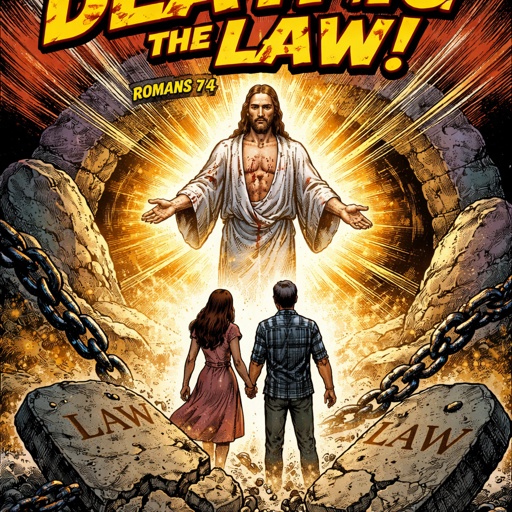
Death to the Law Romans 7:4 Wherefore, my brethren, ye also are become dead to the law by the body of Christ; that ye should be married to another, even to him who is raised from the dead, that we should bring forth fruit unto God.

Romans 7:12 - "Wherefore the law is holy, and the commandment holy, and just, and good."

Romans 14:7 - "For none of us liveth to himself, and no man dieth to himself."

Romans 7:17 - "Now then it is no more I that do it, but sin that dwelleth in me."

Romans 7:22 - "For I delight in the law of God after the inward man:"

Romans 7:10 - "And the commandment, which was ordained to life, I found to be unto death."

Romans 4:8 - "Blessed is the man to whom the Lord will not impute sin."

Romans 7:11 - "For sin, taking occasion by the commandment, deceived me, and by it slew me."

Romans 4:15 - "Because the law worketh wrath: for where no law is, there is no transgression."

Romans 4:23 - "Now it was not written for his sake alone, that it was imputed to him;"

Romans 10:4 - "For Christ is the end of the law for righteousness to every one that believeth."

Romans 12:7 - "Or ministry, let us wait on our ministering: or he that teacheth, on teaching;"

"Now to him that worketh is the reward not reckoned of grace, but of debt." - Romans 4:4

Romans 10:7 - "Or, Who shall descend into the deep? (that is, to bring up Christ again from the dead.)"

Romans 7:14 - "For we know that the law is spiritual: but I am carnal, sold under sin."