What does Romans 4:2 mean?
"For if Abraham were justified by works, he hath whereof to glory; but not before God." - Romans 4:2

Romans 4:2 in the King James Version of the Bible reads, "For if Abraham were justified by works, he hath whereof to glory; but not before God." This verse is part of a larger passage in which the apostle Paul is discussing the concept of justification by faith, using the example of Abraham, the father of the Jewish people, as a key illustration.
The theme of justification by faith is central to the teachings of the apostle Paul, particularly in his letter to the Romans. In this context, the term "justification" refers to the act of God declaring a person to be righteous, or in right standing with Him, not based on their own works or efforts, but on the basis of faith in God's grace and mercy. This stands in contrast to a mindset of seeking justification through adhering to religious laws and rituals.
In Romans 4:2, Paul is addressing the notion that if Abraham had been justified by his own works or accomplishments, he would have reason to boast or take pride in his own achievements. However, Paul emphasizes that this boasting or glorying would not be before God, because true justification comes through faith in God's promise and grace, not through human effort or achievement.
The context of this verse is important for understanding its significance. In the preceding verses, Paul references the example of Abraham, whom God had promised would be the father of many nations, even though he and his wife Sarah were well beyond childbearing age. Despite the seeming impossibility of the situation, Abraham believed God's promise, and this faith was counted to him as righteousness (Romans 4:3).
Paul goes on to explain that this principle of justification by faith was not something unique to Abraham, but it applies to all who believe in God and His redemptive work through Jesus Christ. He contrasts this with the idea of earning justification through adherence to the Jewish law, making it clear that righteousness before God comes through faith in His promises, rather than through works of the law (Romans 4:13).
Symbolism plays a significant role in understanding the deeper meaning of this verse. Abraham himself becomes a symbol of faith and trust in God's promises. His willingness to believe in the seemingly impossible, and his obedience to God's command to leave his homeland and follow His leading, exemplify the kind of faith that pleases God. In this sense, Abraham becomes a model for all believers who are justified by faith, rather than by their own efforts.
The broader theological implications of Romans 4:2 are profound. It points to the foundational principle of the Christian faith that salvation and righteousness before God come through faith in Jesus Christ, not through religious observances or good deeds. This aligns with the larger biblical theme of grace, which highlights God's unmerited favor and love towards humanity, demonstrated through the sacrificial death and resurrection of Jesus.
In conclusion, Romans 4:2 serves as a key reminder of the central importance of faith in the Christian life. It underscores the truth that our righteousness before God is not earned by our own efforts or accomplishments, but is a gift received through faith in His promises. The example of Abraham's faith serves as a timeless inspiration for believers, calling us to trust in God's goodness and sovereignty, and to live lives marked by faith and obedience.
Have questions about Romans 4:2?
Dive deeper into this scripture with Bible Chat — an AI-powered tool for exploring God's Word through conversation. Ask questions, get context, and grow in your understanding of the Bible.
Get Our Apps


Romans 4:2 Artwork

Romans 4:2 - "For if Abraham were justified by works, he hath whereof to glory; but not before God."

"For if Abraham were justified by works, he hath whereof to glory; but not before God." - Romans 4:2

Romans 2:4

Romans 2:4 - "Or despisest thou the riches of his goodness and forbearance and longsuffering; not knowing that the goodness of God leadeth thee to repentance?"

Romans 4:3

Romans 4:4 - "Now to him that worketh is the reward not reckoned of grace, but of debt."
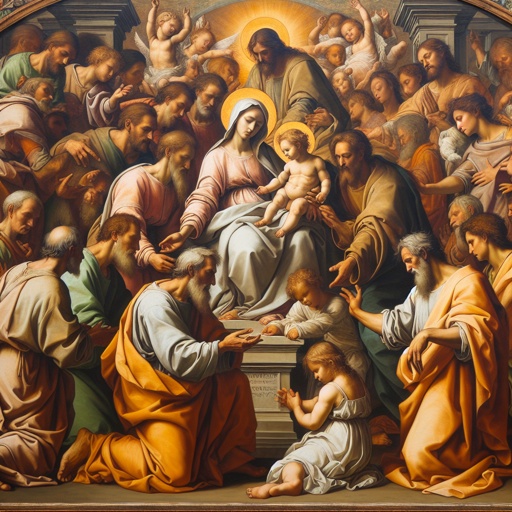
romans 12: 4-5

Romans 5:4 - "And patience, experience; and experience, hope:"

Romans 4:22 - "And therefore it was imputed to him for righteousness."

Romans 12:2

Romans 12:2

Romans 12:2

Romans 12:2

Romans 12:2

Romans 12:2

Romans 12:2

Romans 12:2

Romans 12:2

Romans 12:2

Romans 12:2

Romans 12:2

Romans 12:2

Romans 12:2

Romans 12:2

Romans 4:8 - "Blessed is the man to whom the Lord will not impute sin."

Romans 4:15 - "Because the law worketh wrath: for where no law is, there is no transgression."

Romans 10:4 - "For Christ is the end of the law for righteousness to every one that believeth."

Romans 4:23 - "Now it was not written for his sake alone, that it was imputed to him;"

Romans 12:2

Romans 12:2