What does Romans 3:10 mean?
"As it is written, There is none righteous, no, not one:" - Romans 3:10
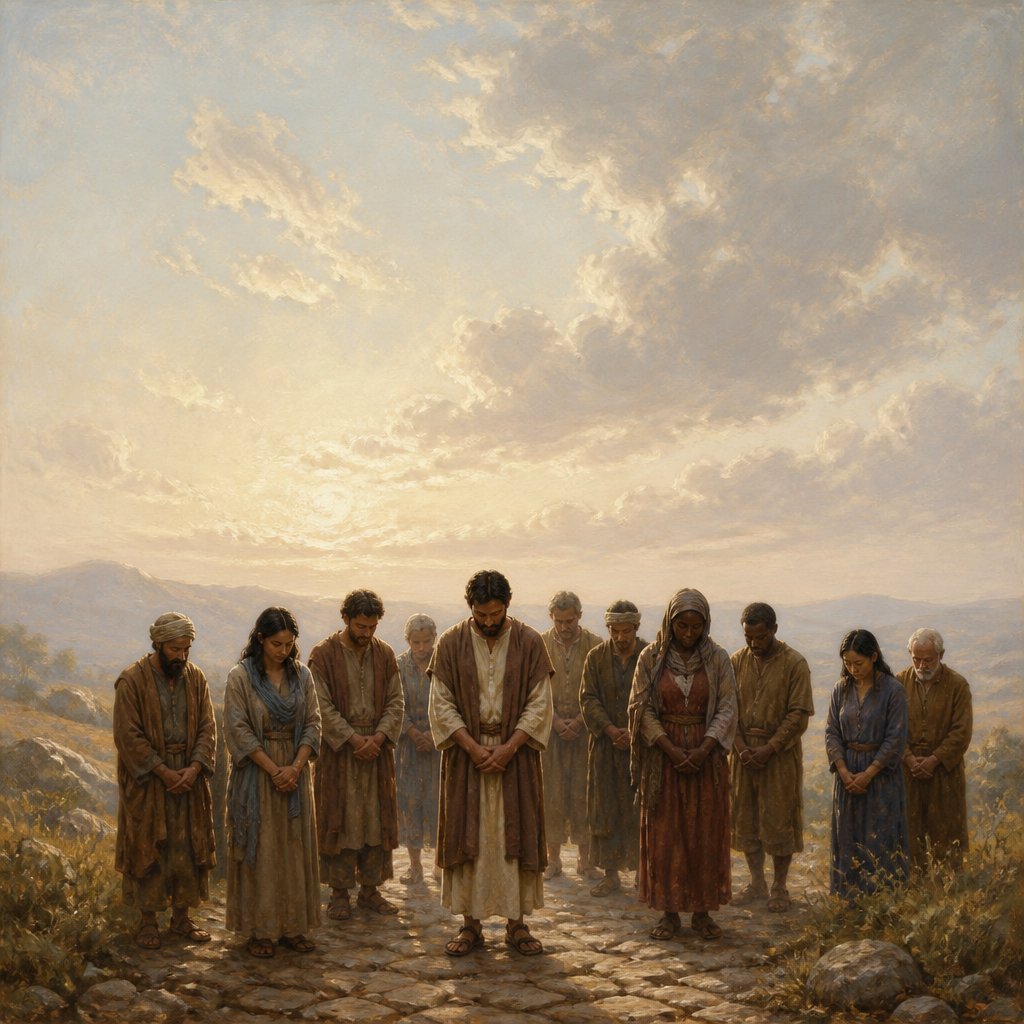
Romans 3:10 in the King James Version of the Bible states, "As it is written, There is none righteous, no, not one." This verse is part of a larger passage in the book of Romans where the apostle Paul is presenting the case that all people are sinners and in need of salvation through faith in Christ.
The theme of this verse is the universal sinfulness of humanity. Paul is drawing from multiple Old Testament passages to make his point that there is not a single person who is righteous on their own. This aligns with the broader theme of the book of Romans, which is the desperate need for salvation through faith in Jesus Christ.
The context of this verse is important for understanding its meaning. In the preceding verses, Paul quotes from the Psalms and the book of Ecclesiastes to support his argument that all people, both Jews and Gentiles, are under sin. He highlights the reality that no one is exempt from the universal condition of sinfulness. This sets the stage for Paul's later argument that justification and redemption come through faith in Jesus Christ alone.
The symbolism in this verse is found in the phrase "none righteous." This signifies the inherent moral and spiritual depravity of humanity. This concept is foundational to the Christian faith and is directly tied to the need for a savior. The symbolism of righteousness and sin plays a central role in understanding the broader theological implications of this verse.
The verse also serves as a reminder of the fallen nature of humanity. It points to the universal need for salvation and the inability of people to attain righteousness on their own. This sets the stage for the gospel message of grace and redemption through faith in Jesus Christ.
Overall, Romans 3:10 in the King James Version is a powerful reminder of the universal sinfulness of humanity and the need for salvation through faith in Christ. It serves as a foundational verse in understanding the Christian doctrine of original sin and the necessity of a savior. Through its themes, context, and symbolism, this verse continues to be a source of hope and encouragement for believers as they reflect on their own need for redemption and the grace that is found in Jesus Christ.
Have questions about Romans 3:10?
Dive deeper into this scripture with Bible Chat — an AI-powered tool for exploring God's Word through conversation. Ask questions, get context, and grow in your understanding of the Bible.
Get Our Apps


Romans 3:10 Artwork

Romans 3:10 - "As it is written, There is none righteous, no, not one:"

"As it is written, There is none righteous, no, not one:" - Romans 3:10
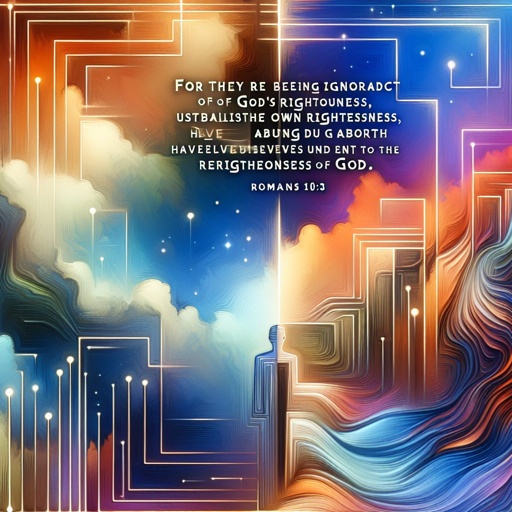
Romans 10:3 - "For they being ignorant of God's righteousness, and going about to establish their own righteousness, have not submitted themselves unto the righteousness of God."

Romans 10

Romans 10:17

Romans 10:17

Romans 10:17

Romans 10:17

Romans 10:17

Romans 10:17

Romans 10:17

Romans 10:14

Romans 10:17

Romans 10:9

Romans 10:9

Romans 10:13-15

Romans 10:10 - "For with the heart man believeth unto righteousness; and with the mouth confession is made unto salvation."

Romans 4:3

Romans 3:24

Romans 3:16 - "Destruction and misery are in their ways:"
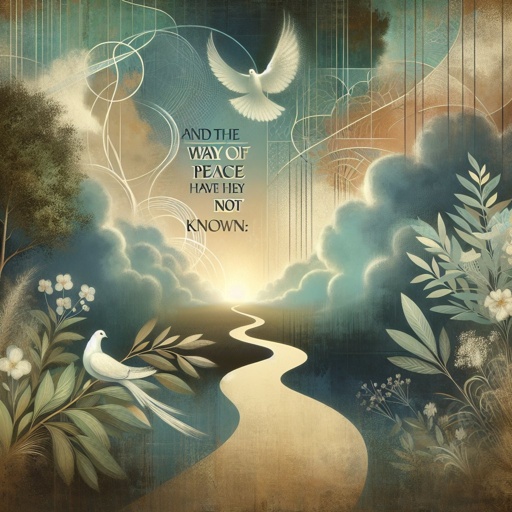
Romans 3:17 - "And the way of peace have they not known:"
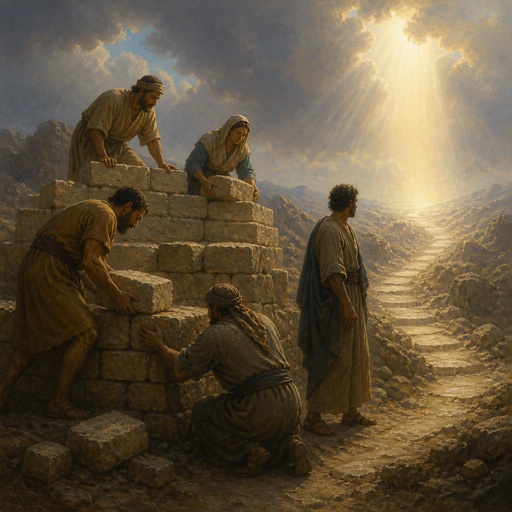
"For they being ignorant of God's righteousness, and going about to establish their own righteousness, have not submitted themselves unto the righteousness of God." - Romans 10:3

Romans 3:15 - "Their feet are swift to shed blood:"

Romans 3:18 - "There is no fear of God before their eyes."

Romans 3:3 - "For what if some did not believe? shall their unbelief make the faith of God without effect?"

Romans 3:14 - "Whose mouth is full of cursing and bitterness:"

Romans 10:4 - "For Christ is the end of the law for righteousness to every one that believeth."

Romans 10:11 - "For the scripture saith, Whosoever believeth on him shall not be ashamed."

Romans 10:17 - "So then faith cometh by hearing, and hearing by the word of God."

Romans 7:10 - "And the commandment, which was ordained to life, I found to be unto death."