What does Romans 1:7 mean?
"To all that be in Rome, beloved of God, called to be saints: Grace to you and peace from God our Father, and the Lord Jesus Christ." - Romans 1:7
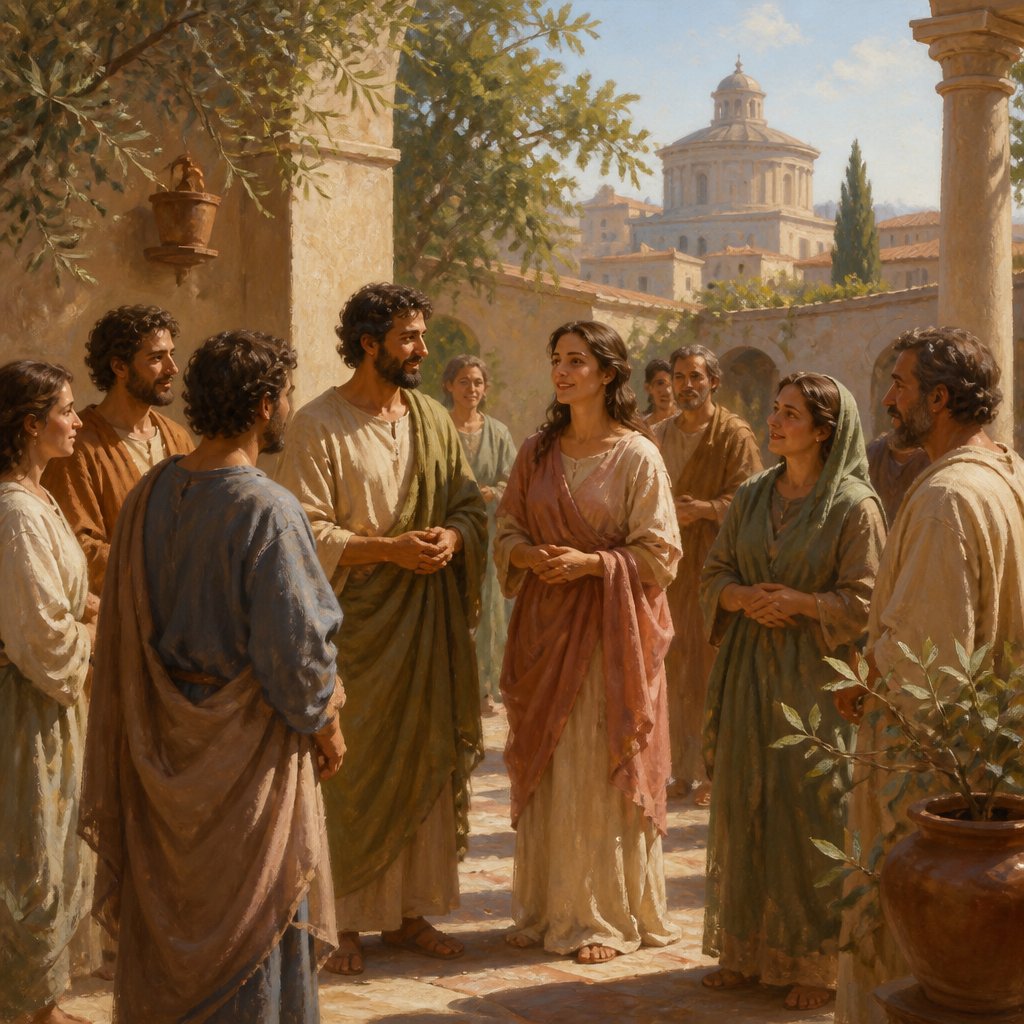
Romans 1:7 in the King James Version of the Bible reads, "To all that be in Rome, beloved of God, called to be saints: Grace to you and peace from God our Father, and the Lord Jesus Christ." This verse is the opening salutation of the apostle Paul's letter to the Romans, and it sets the tone for the entire epistle.
The primary theme in this verse is the belief that believers in Rome are beloved of God and called to be saints. This message is one of love, acceptance, and calling for holiness. It is a reminder to the believers in Rome that they are set apart by God and called to live lives that are pleasing to Him. The use of the term "beloved of God" highlights the deep and personal love that God has for His people. This love is not based on works or merit, but rather on God's own character and nature. The believers in Rome are being reminded of this truth as they embark on their journey of faith.
The mention of being "called to be saints" also ties into the theme of holiness and set-apartness. The word "saint" comes from the Greek word "hagios," which means "holy" or "set apart." This term is used in the New Testament to refer to all believers, not just a select few who have been canonized by the church. The believers in Rome are being reminded of their new identity in Christ and the call to live lives that reflect this new identity.
The second part of the verse, "Grace to you and peace from God our Father, and the Lord Jesus Christ," speaks to the source of the believers' blessings and peace. The mention of grace reflects the unmerited favor and kindness that God bestows upon His people. It is through God's grace that believers are saved and able to live lives that are pleasing to Him. The mention of peace also reflects the deep sense of inner tranquility and well-being that comes from being in a right relationship with God. This peace is not dependent on circumstances, but rather on the eternal security that believers have in Christ.
The greeting also contains the mention of both God the Father and the Lord Jesus Christ, emphasizing the unity and equality of the Father and the Son. This is a common theme in Paul's letters, as he often emphasizes the divinity and lordship of Jesus Christ. It's important to note that Paul is not just offering a friendly greeting here, but rather invoking a blessing from the triune God - the Father, the Son, and the Holy Spirit - upon the believers in Rome.
The context of this verse is important to consider when interpreting its meaning. The letter to the Romans was written by the apostle Paul, who was an ardent preacher of the gospel and a fervent defender of the faith. Paul wrote this letter from Corinth around AD 56-58, and it was addressed to the church in Rome, which was a diverse and vibrant community of believers. In this letter, Paul seeks to address various theological and practical issues facing the Roman church, and to present a clear and comprehensive explanation of the gospel. This verse serves as the introduction to the letter and sets the stage for the rest of the epistle.
In terms of symbolism, the mention of "grace and peace" from God the Father and the Lord Jesus Christ symbolizes the divine blessings that are available to believers through their relationship with God. Grace and peace are not merely abstract concepts, but are tangible blessings that believers can experience in their lives. The mention of being "beloved of God" and "called to be saints" also symbolizes the believers' new identity and status in Christ. They are no longer defined by their past sins or failures, but are now beloved children of God who are called to live lives of holiness and purpose.
In conclusion, Romans 1:7 is a powerful and encouraging verse that sets the tone for the entire epistle to the Romans. It reminds believers of their new identity and calling in Christ, and invokes a blessing of grace and peace from God the Father and the Lord Jesus Christ. The verse emphasizes the themes of love, holiness, blessing, and divine favor, and serves as a reminder of the believers' standing before God. It also sets the stage for the rest of the letter, which explores the depths of God's love, the righteousness of faith, and the power of the gospel.
Have questions about Romans 1:7?
Dive deeper into this scripture with Bible Chat — an AI-powered tool for exploring God's Word through conversation. Ask questions, get context, and grow in your understanding of the Bible.
Get Our Apps


Romans 1:7 Artwork

Romans 1:7 - "To all that be in Rome, beloved of God, called to be saints: Grace to you and peace from God our Father, and the Lord Jesus Christ."
"To all that be in Rome, beloved of God, called to be saints: Grace to you and peace from God our Father, and the Lord Jesus Christ." - Romans 1:7

Combine the authority theme described in Romans 13:1-7 and Revelation 13:1-10.

Romans 7:1 - "Know ye not, brethren, (for I speak to them that know the law,) how that the law hath dominion over a man as long as he liveth?"

Romans 7:19

Romans 7:12

Show the Divine Order seen in Romans 131:7 with the Beastly Rule seen in Revelation 13:1-10.

Show the Divine Order seen in Romans 131:7 with the Beastly Rule seen in Revelation 13:1-10.

Show the Divine Order seen in Romans 131:7 with the Beastly Rule seen in Revelation 13:1-10.

Show the Divine Order seen in Romans 131:7 with the Beastly Rule seen in Revelation 13:1-10.

Romans 6:7 - "For he that is dead is freed from sin."

Show the Divine Order of government authority seen in Romans 131:7 contrasted with the Beastly Rule faced in Revelation 13:1-10.

Romans 7:12 - "Wherefore the law is holy, and the commandment holy, and just, and good."

Romans 14:7 - "For none of us liveth to himself, and no man dieth to himself."

Romans 7:17 - "Now then it is no more I that do it, but sin that dwelleth in me."

Romans 7:22 - "For I delight in the law of God after the inward man:"

Romans 7:10 - "And the commandment, which was ordained to life, I found to be unto death."

Romans 4:7 - "Saying, Blessed are they whose iniquities are forgiven, and whose sins are covered."

Romans 7:11 - "For sin, taking occasion by the commandment, deceived me, and by it slew me."

Romans 1

Romans 12:7 - "Or ministry, let us wait on our ministering: or he that teacheth, on teaching;"

Romans 8:1

Romans 10:7 - "Or, Who shall descend into the deep? (that is, to bring up Christ again from the dead.)"

Romans 7:14 - "For we know that the law is spiritual: but I am carnal, sold under sin."

Romans 7:16 - "If then I do that which I would not, I consent unto the law that it is good."

Romans 5:1

Romans 15:7 - "Wherefore receive ye one another, as Christ also received us to the glory of God."

Romans 7:20 - "Now if I do that I would not, it is no more I that do it, but sin that dwelleth in me."

Romans 9:7 - "Neither, because they are the seed of Abraham, are they all children: but, In Isaac shall thy seed be called."

Romans 2:4