What does Romans 1:6 mean?
"Among whom are ye also the called of Jesus Christ:" - Romans 1:6
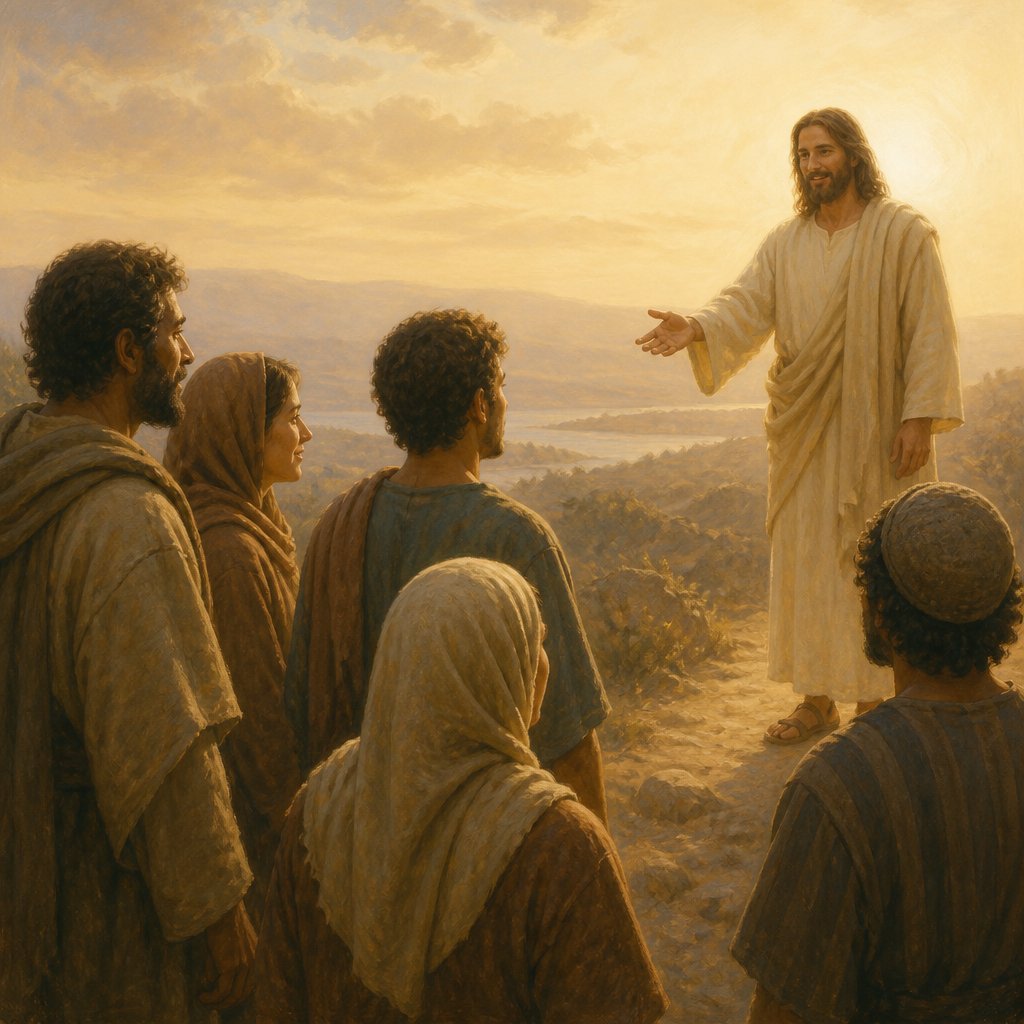
The verse Romans 1:6 from the King James Version of the Bible states, "Among whom are ye also the called of Jesus Christ." This verse is part of the opening remarks in the Book of Romans, which was written by the Apostle Paul to the church in Rome. In this verse, Paul is addressing the believers in Rome, emphasizing their calling as followers of Jesus Christ.
The phrase "called of Jesus Christ" carries deep significance in the Christian faith. It speaks to the believers' position and identity in Christ. The calling refers to the divine invitation extended to individuals to enter into a relationship with Jesus Christ, to be His disciples, and to partake in the blessings of salvation. This calling is not based on human merit or achievement but is a result of God's grace and mercy.
The theme of calling in the Bible is prevalent throughout both the Old and New Testaments. In the Old Testament, God called individuals such as Abraham, Moses, and prophets like Isaiah and Jeremiah to carry out specific missions and roles in His divine plan. Similarly, in the New Testament, Jesus called His disciples to follow Him and later commissioned them to spread the Gospel to all nations. The concept of being "called" by God is a central theme in understanding one's purpose and mission as a Christian.
The calling of Jesus Christ is a profound and transformational experience. In the Book of Romans, Paul expounds on the power of this calling, describing it as a divine work that leads to justification, sanctification, and ultimately, glorification. Believers are called to be set apart from the world, to be transformed by the renewing of their minds, and to live a life that is pleasing to God.
The context of Romans 1:6 is significant in understanding the broader message of the entire book. Paul's letter to the Romans addresses various theological truths, including the fallen nature of humanity, the righteousness of God, and the means of salvation through faith in Jesus Christ. The believers in Rome were living in a society where both Jewish and Gentile believers faced persecution and internal conflicts. Paul's aim was to unify the believers and to strengthen their faith in the face of adversity.
The symbolism in Romans 1:6 lies in the identity and purpose of the called believers. As followers of Jesus Christ, they are called to be a light in the world, to bear witness to the truth of the Gospel, and to live in obedience to God's will. The calling signifies a new identity in Christ, as Paul later writes in Romans 8:17, "and if children, then heirs; heirs of God, and joint-heirs with Christ."
Additionally, the phrase "called of Jesus Christ" also emphasizes the personal nature of the relationship between believers and Christ. It conveys a sense of intimacy and belonging, highlighting the bond between the shepherd and His flock, the bridegroom and His bride.
In conclusion, Romans 1:6 serves as a powerful reminder of the believers' calling in Jesus Christ. It encapsulates the themes of identity, purpose, and divine grace. The verse encourages believers to embrace their calling with humility and gratitude, knowing that they have been chosen and set apart by God. It also inspires them to live out their faith in a manner that reflects the transformative power of their calling. As believers, we are called not only to be recipients of God's grace but also to be ambassadors of His kingdom, carrying out the mission of spreading the good news of salvation to the ends of the earth.
Have questions about Romans 1:6?
Dive deeper into this scripture with Bible Chat — an AI-powered tool for exploring God's Word through conversation. Ask questions, get context, and grow in your understanding of the Bible.
Get Our Apps


Romans 1:6 Artwork

Romans 1:6 - "Among whom are ye also the called of Jesus Christ:"
"Among whom are ye also the called of Jesus Christ:" - Romans 1:6

Romans 6:23

Romans 6:23

Romans 6:1 - "What shall we say then? Shall we continue in sin, that grace may abound?"

Romans 8:6

Romans 6:7 - "For he that is dead is freed from sin."

"What shall we say then? Shall we continue in sin, that grace may abound?" - Romans 6:1

Romans 2:6 - "Who will render to every man according to his deeds:"

Romans 6:6 - "Knowing this, that our old man is crucified with him, that the body of sin might be destroyed, that henceforth we should not serve sin."

Romans 6:1-2 - "What shall we say, then? Shall we go on sinning so that grace may increase? By no means! We are those who have died to sin; how can we live in it any longer?"

Romans 8:6 - "For to be carnally minded is death; but to be spiritually minded is life and peace."

Romans 16:6 - "Greet Mary, who bestowed much labour on us."

Romans 3:6 - "God forbid: for then how shall God judge the world?"

Romans 1

Romans 6:18 - "Being then made free from sin, ye became the servants of righteousness."

Romans 8:1

Romans 6:20 - "For when ye were the servants of sin, ye were free from righteousness."

Romans 5:1

Romans 6:8 - "Now if we be dead with Christ, we believe that we shall also live with him:"

Romans 6:14 - "For sin shall not have dominion over you: for ye are not under the law, but under grace."

Romans 5:6 - "For when we were yet without strength, in due time Christ died for the ungodly."

Romans 9:6 - "Not as though the word of God hath taken none effect. For they are not all Israel, which are of Israel:"

Romans 2:4

Romans 6:2 - "God forbid. How shall we, that are dead to sin, live any longer therein?"

Romans 12:1

Romans 6:12 - "Let not sin therefore reign in your mortal body, that ye should obey it in the lusts thereof."

Romans 13:6 - "For for this cause pay ye tribute also: for they are God's ministers, attending continually upon this very thing."

"For he that is dead is freed from sin." - Romans 6:7

Romans 12:1