What does Romans 1:18 mean?
"For the wrath of God is revealed from heaven against all ungodliness and unrighteousness of men, who hold the truth in unrighteousness;" - Romans 1:18
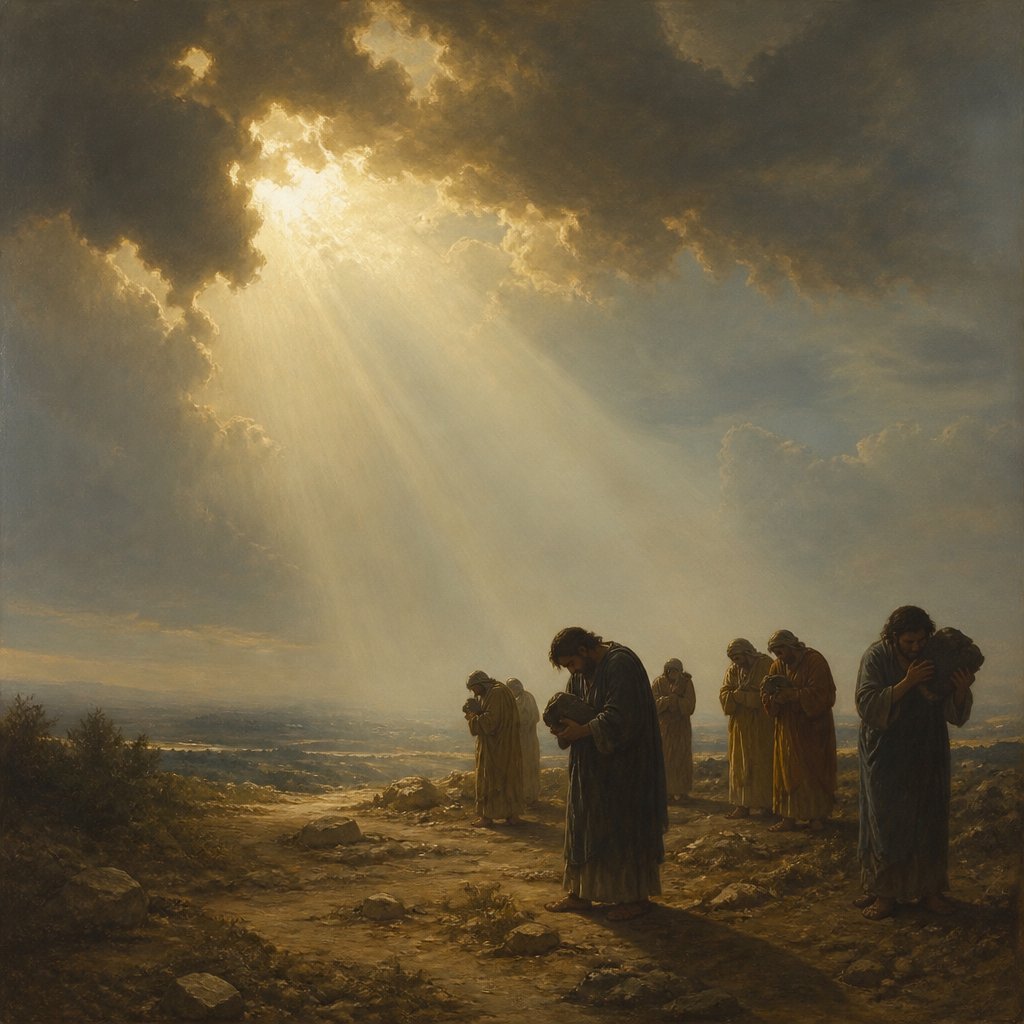
Romans 1:18 (KJV) states, "For the wrath of God is revealed from heaven against all ungodliness and unrighteousness of men, who hold the truth in unrighteousness."
This verse is part of the opening of the book of Romans, which was written by the apostle Paul to the Christians in Rome. In this particular verse, Paul is addressing the reality of God's wrath and the reasons for it. The meaning and commentary of this verse can be analyzed in terms of its themes, context, and symbolism.
The theme of God's wrath is central to this verse. The "wrath of God" refers to His righteous anger and judgment against sin and ungodliness. This should not be understood as a petty or vengeful anger, but as a just response to human rebellion and disobedience. The concept of God's wrath is one that has caused controversy and discomfort for many, as it clashes with modern ideas of a loving and merciful God. However, in the biblical context, God's wrath is a necessary aspect of His holiness and justice. Without the recognition of God's wrath, the need for salvation and deliverance from sin loses its urgency and significance.
The phrase "is revealed from heaven" emphasizes the universal and timeless nature of God's wrath. It is not a fleeting emotion or a temporary response, but a constant reality that originates from God's heavenly throne. This serves as a reminder of God's authority and sovereignty over all creation. The wrath of God is not confined by human limitations or boundaries, but is manifested in a way that is beyond human comprehension.
The objects of God's wrath are described as "ungodliness and unrighteousness of men." These terms encompass a wide range of sinful behaviors and attitudes that are contrary to God's nature and standards. "Ungodliness" refers to a lack of reverence and devotion to God, while "unrighteousness" denotes moral and ethical corruption. Both of these qualities are intrinsic to human nature, as a result of the Fall, and are in direct opposition to the character of God. The phrase "who hold the truth in unrighteousness" suggests that those who are the recipients of God's wrath are aware of the truth of God's existence and His moral laws, but they choose to suppress and distort it in order to justify their sinful actions.
In the broader context of the book of Romans, this verse sets the stage for Paul's exposition of the human condition and the need for redemption. It serves as a grim assessment of the state of humanity without God, highlighting the pervasive effects of sin and the inescapable consequences of rebellion against God. This lays the foundation for Paul's doctrinal discussion of justification by faith and the righteousness that comes from God through Christ.
The symbolism in this verse is centered around the imagery of wrath and judgment. The concept of God's wrath is presented as a force that emanates from heaven, symbolizing its divine origins and authority. This imagery serves to emphasize the inevitability and seriousness of God's judgment. It is a sobering reminder of the repercussions of sin and the inescapable nature of divine justice.
In conclusion, Romans 1:18 (KJV) communicates the timeless truth of God's wrath and its implications for humanity. It serves as a stark depiction of the consequences of sin and rebellion against God, while also laying the groundwork for the message of salvation and redemption through Christ. By understanding the themes, context, and symbolism of this verse, we can gain a deeper appreciation for the righteousness and holiness of God, as well as the desperate need for His grace and mercy.
Have questions about Romans 1:18?
Dive deeper into this scripture with Bible Chat — an AI-powered tool for exploring God's Word through conversation. Ask questions, get context, and grow in your understanding of the Bible.
Get Our Apps


Romans 1:18 Artwork

Romans 1:18 - "For the wrath of God is revealed from heaven against all ungodliness and unrighteousness of men, who hold the truth in unrighteousness;"
"For the wrath of God is revealed from heaven against all ungodliness and unrighteousness of men, who hold the truth in unrighteousness;" - Romans 1:18

Romans 1:8 - "First, I thank my God through Jesus Christ for you all, that your faith is spoken of throughout the whole world."

Romans 11:18
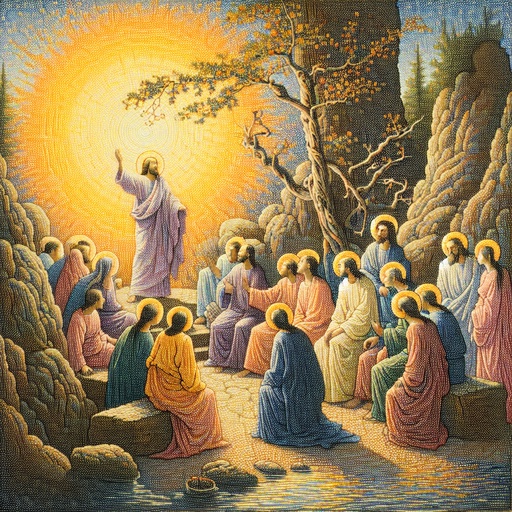
Romans 11:18

Romans 11:18

Romans 11:18

Romans 11:18

Romans 11:18

Romans 11:18

Romans 3:18 - "There is no fear of God before their eyes."

"First, I thank my God through Jesus Christ for you all, that your faith is spoken of throughout the whole world." - Romans 1:8

Romans 14:18 - "For he that in these things serveth Christ is acceptable to God, and approved of men."

Romans 12:18 - "If it be possible, as much as lieth in you, live peaceably with all men."

Romans 6:18 - "Being then made free from sin, ye became the servants of righteousness."

"There is no fear of God before their eyes." - Romans 3:18

Romans 2:18 - "And knowest his will, and approvest the things that are more excellent, being instructed out of the law;"

Romans 11:18 - "Boast not against the branches. But if thou boast, thou bearest not the root, but the root thee."

Romans 9:18 - "Therefore hath he mercy on whom he will have mercy, and whom he will he hardeneth."

Romans 1

Romans 16:18 - "For they that are such serve not our Lord Jesus Christ, but their own belly; and by good words and fair speeches deceive the hearts of the simple."

Romans 8:1

Romans 10:18 - "But I say, Have they not heard? Yes verily, their sound went into all the earth, and their words unto the ends of the world."

Romans 5:1

Romans 2:4

Romans 15:18 - "For I will not dare to speak of any of those things which Christ hath not wrought by me, to make the Gentiles obedient, by word and deed,"

Romans 7:18 - "For I know that in me (that is, in my flesh,) dwelleth no good thing: for to will is present with me; but how to perform that which is good I find not."

Romans 12:1

Romans 12:1

Romans 8:19