What does Romans 14:3 mean?
"Let not him that eateth despise him that eateth not; and let not him which eateth not judge him that eateth: for God hath received him." - Romans 14:3

Romans 14:3 from the King James Version of the Bible reads, "Let not him that eateth despise him that eateth not; and let not him which eateth not judge him that eateth: for God hath received him." This verse is found in the New Testament, specifically in the book of Romans, which was written by the apostle Paul.
In this verse, Paul is addressing the issue of dietary restrictions and the freedom that Christians have in Christ. In the early church, there were disagreements and disputes regarding what foods could be eaten and what foods should be avoided. Some believers adhered to the Jewish dietary laws and abstained from certain foods, while others recognized their freedom in Christ to eat all things. The apostle Paul seeks to address these tensions and instructs believers not to pass judgment on one another based on their personal convictions regarding food.
The overarching theme of Romans 14:3 is the importance of unity and acceptance within the body of Christ. Paul is urging believers to avoid a spirit of judgment and condemnation towards one another, especially in matters that may cause division within the church. The focus is on the acceptance and recognition of one another, despite differing interpretations of God's laws. The verse calls for love and tolerance among believers, regardless of their individual practices and convictions.
The context of this verse is essential for understanding its relevance and significance. The book of Romans was written to the early Christian community in Rome, addressing various theological and practical issues that were present in the church. In this particular passage, Paul is specifically addressing the differences in opinion and practice among believers, particularly in relation to dietary laws and observing special days (Romans 14:5).
Paul is emphasizing the need for mutual understanding and respect between believers who hold different convictions. He encourages them to refrain from judging or looking down upon one another based on their personal choices, particularly in matters that do not directly affect one's spiritual standing before God. The verse emphasizes the need for a spirit of humility, understanding, and compassion in the Christian community.
Symbolism in this verse can be seen in the act of eating itself. Food is a basic necessity for life, and in a spiritual sense, it can represent the nourishment and sustenance that comes from one's relationship with God. By addressing the issue of eating and abstaining from certain foods, Paul is using a relatable and practical example to convey a deeper spiritual truth.
The verse also communicates the idea that God's acceptance of believers transcends personal preferences and practices. It highlights the unity of believers in Christ, regardless of their individual convictions or practices. The emphasis is on the inclusivity of God's love and the importance of respecting and honoring one another as members of the body of Christ.
Overall, Romans 14:3 carries a powerful message about the importance of unity, acceptance, and love within the Christian community. It serves as a reminder for believers to refrain from passing judgment on one another and to instead extend grace and understanding, recognizing that God has received each believer in Christ. By embracing diversity and maintaining a spirit of love and acceptance, believers can strive for harmony and unity within the body of Christ.
Have questions about Romans 14:3?
Dive deeper into this scripture with Bible Chat — an AI-powered tool for exploring God's Word through conversation. Ask questions, get context, and grow in your understanding of the Bible.
Get Our Apps


Romans 14:3 Artwork

Romans 14:3 - "Let not him that eateth despise him that eateth not; and let not him which eateth not judge him that eateth: for God hath received him."

"Let not him that eateth despise him that eateth not; and let not him which eateth not judge him that eateth: for God hath received him." - Romans 14:3

Romans 3:14 - "Whose mouth is full of cursing and bitterness:"
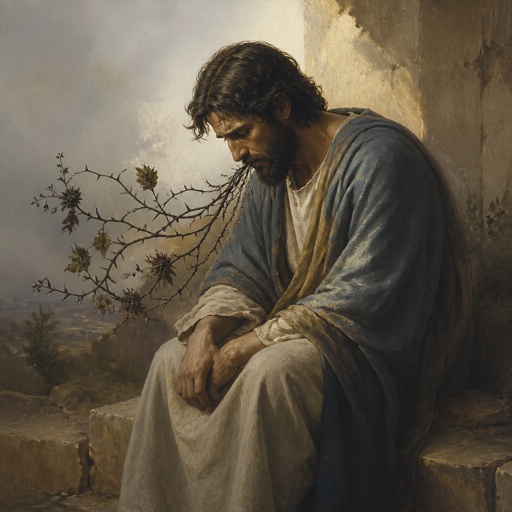
"Whose mouth is full of cursing and bitterness:" - Romans 3:14

Romans 14:12

Romans 8:14

Romans 10:14

Romans 4:3

Romans 14:16 - "Let not then your good be evil spoken of:"

Romans 3:24

Romans 8:14 - "For as many as are led by the Spirit of God, they are the sons of God."

Romans 3:16 - "Destruction and misery are in their ways:"

Romans 14:7 - "For none of us liveth to himself, and no man dieth to himself."

depict the theme of Romans 13:8-14

Romans 14:1 - "Him that is weak in the faith receive ye, but not to doubtful disputations."

Romans 12:14 - "Bless them which persecute you: bless, and curse not."

Romans 3:17 - "And the way of peace have they not known:"

Romans 9:14 - "What shall we say then? Is there unrighteousness with God? God forbid."

Romans 14:18 - "For he that in these things serveth Christ is acceptable to God, and approved of men."

Romans 14:14 - "I know, and am persuaded by the Lord Jesus, that there is nothing unclean of itself: but to him that esteemeth any thing to be unclean, to him it is unclean."

Romans 3:15 - "Their feet are swift to shed blood:"

Romans 3:10 - "As it is written, There is none righteous, no, not one:"

Romans 3:18 - "There is no fear of God before their eyes."

Romans 3:3 - "For what if some did not believe? shall their unbelief make the faith of God without effect?"

Romans 14:12 - "So then every one of us shall give account of himself to God."

Romans 1:14 - "I am debtor both to the Greeks, and to the Barbarians; both to the wise, and to the unwise."

Romans 14:17 - "For the kingdom of God is not meat and drink; but righteousness, and peace, and joy in the Holy Ghost."

Romans 16:14 - "Salute Asyncritus, Phlegon, Hermas, Patrobas, Hermes, and the brethren which are with them."

Romans 7:14 - "For we know that the law is spiritual: but I am carnal, sold under sin."

Romans 4:14 - "For if they which are of the law be heirs, faith is made void, and the promise made of none effect:"