What does Romans 14:10 mean?
"But why dost thou judge thy brother? or why dost thou set at nought thy brother? for we shall all stand before the judgment seat of Christ." - Romans 14:10
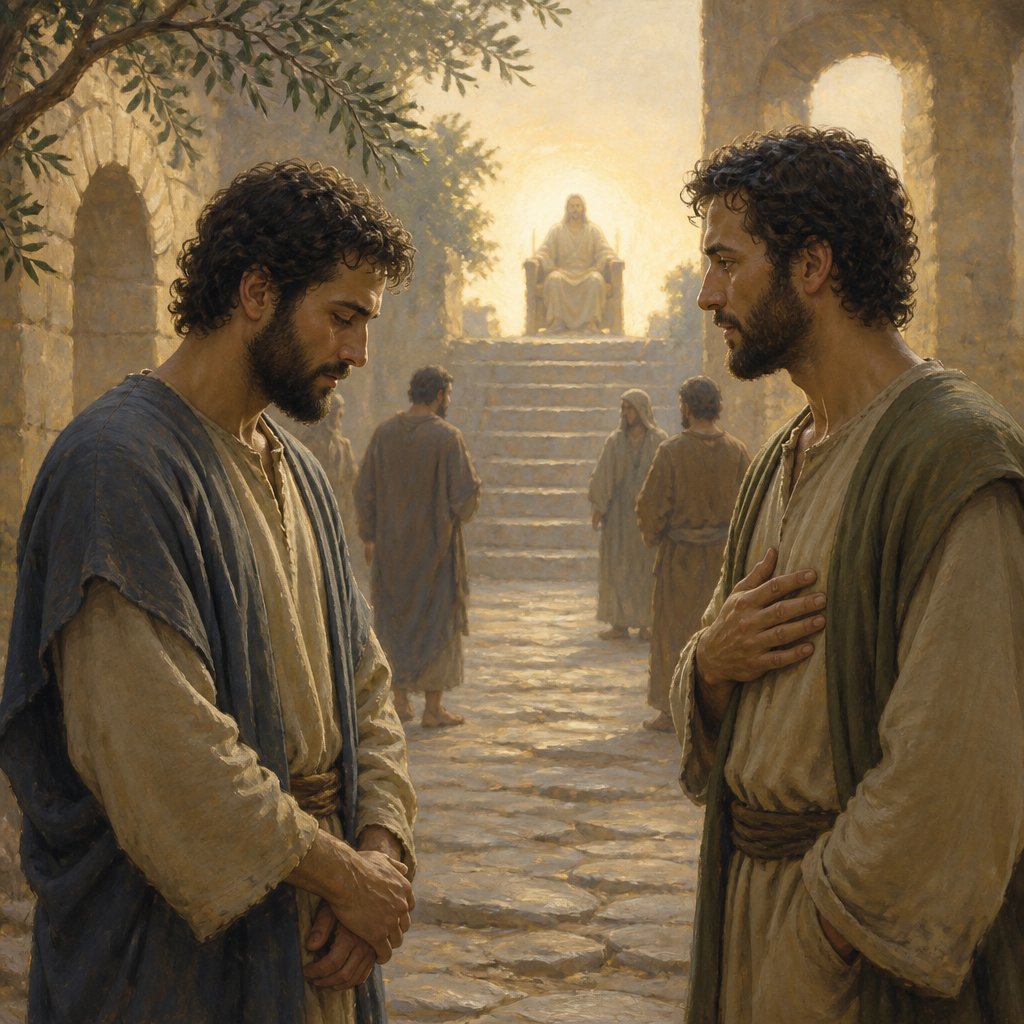
Romans 14:10 in the King James Version of the Bible states: "But why dost thou judge thy brother? or why dost thou set at nought thy brother? for we shall all stand before the judgment seat of Christ."
This verse is part of the larger passage in the book of Romans that discusses the issue of Christians judging one another. In this particular chapter, the focus is on issues of personal convictions and practices. The apostle Paul instructs the believers in Rome not to judge or look down on one another because of their differences in opinion on these matters. Instead, he emphasizes the need for love, acceptance, and understanding within the Christian community.
The verse begins with the rhetorical question, "But why dost thou judge thy brother?" This question challenges the reader to consider their motives for passing judgment on others. It implies that there is no valid reason for one believer to harshly criticize or condemn another within the body of Christ. This theme of refraining from judgment and condemnation is consistent with Jesus' teachings, such as "Judge not, that ye be not judged" (Matthew 7:1).
The second part of the verse asks, "or why dost thou set at nought thy brother?" Here, the apostle further questions the behavior of looking down on and disregarding fellow believers. The phrase "set at nought" means to treat with contempt or disrespect. Paul is calling for the believers to show respect and honor to one another, regardless of their differences.
The verse concludes with the reason behind this exhortation: "for we shall all stand before the judgment seat of Christ." This statement serves as a reminder that ultimately, every believer will be held accountable to God for their actions and attitudes. The judgment seat of Christ refers to the time when all believers will stand before Christ to give an account of their lives and receive rewards for their faithfulness (2 Corinthians 5:10).
The themes present in this verse can be seen in the broader context of the book of Romans and within the teachings of the New Testament. Throughout the letter to the Romans, Paul emphasizes the importance of unity, love, and care for one another within the body of believers. In Romans 12:3, he urges humility and warns against thinking of oneself more highly than one ought. In chapter 15, Paul encourages the strong to bear with the failings of the weak and to build up one another in love.
The context of Romans 14 also provides insight into the specific issues that Paul is addressing. In this chapter, the apostle discusses matters of conscience and personal conviction, such as diet and special days. He acknowledges that believers may have different opinions on these issues but stresses that each person should be fully convinced in their own mind (Romans 14:5).
The symbolism in Romans 14:10 lies in the imagery of believers standing before the judgment seat of Christ. This imagery conveys the idea of ultimate accountability and the equality of all believers in the sight of God. Regardless of individual differences and disagreements, every believer will stand on equal ground before Christ. This serves as a powerful reminder to refrain from judgment and to treat one another with love and respect.
In conclusion, Romans 14:10 carries a strong message of unity, love, and accountability within the Christian community. It challenges believers to examine their own attitudes and behaviors towards one another and emphasizes the importance of showing grace and understanding, especially in areas of differing convictions. The overarching theme of this verse aligns with the teachings of Jesus and underscores the need for humility, respect, and love in all our interactions with fellow believers.
Have questions about Romans 14:10?
Dive deeper into this scripture with Bible Chat — an AI-powered tool for exploring God's Word through conversation. Ask questions, get context, and grow in your understanding of the Bible.
Get Our Apps


Romans 14:10 Artwork

Romans 14:10 - "But why dost thou judge thy brother? or why dost thou set at nought thy brother? for we shall all stand before the judgment seat of Christ."
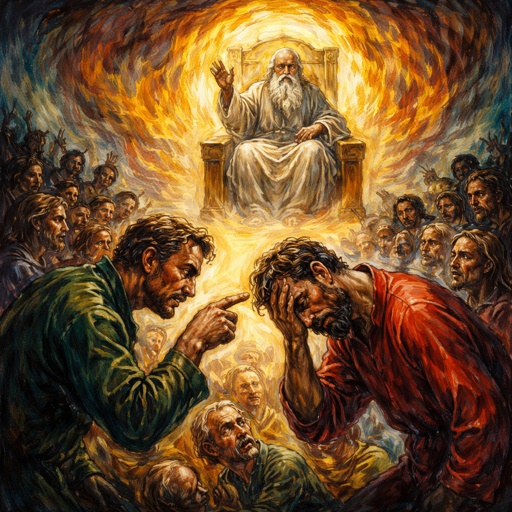
Why do you pass judgment on your brother? Or you, why do you despise your brother? For we shall all stand before the judgment seat of God; - Romans 14:10
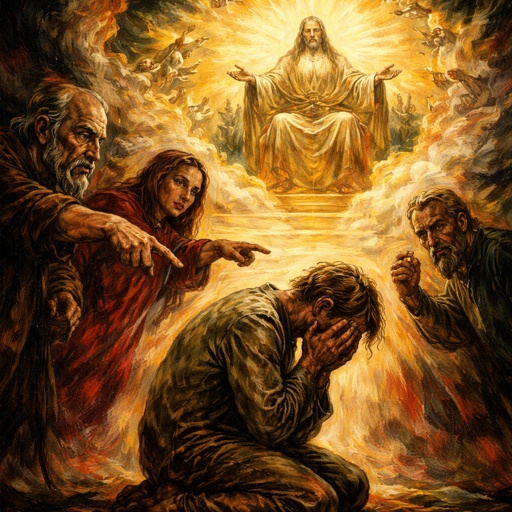
Why then do you judge your brother? Or you, why do you look down on your brother? For we shall all stand before the judgment seat of God Romans 14:10
"But why dost thou judge thy brother? or why dost thou set at nought thy brother? for we shall all stand before the judgment seat of Christ." - Romans 14:10

Romans 10:14

Romans 10:14 - "How then shall they call on him in whom they have not believed? and how shall they believe in him of whom they have not heard? and how shall they hear without a preacher?"

Romans 10

Romans 10:17

Romans 10:17

Romans 10:17

Romans 14:12

Romans 8:14

Romans 10:17

Romans 10:17

Romans 10:17

Romans 10:17

Romans 10:17

Romans 10:9

Romans 10:9

Romans 10:13-15

Romans 10:10 - "For with the heart man believeth unto righteousness; and with the mouth confession is made unto salvation."

Romans 3:14 - "Whose mouth is full of cursing and bitterness:"

Romans 14:16 - "Let not then your good be evil spoken of:"

Romans 3:10 - "As it is written, There is none righteous, no, not one:"

Romans 8:14 - "For as many as are led by the Spirit of God, they are the sons of God."

Romans 14:7 - "For none of us liveth to himself, and no man dieth to himself."

depict the theme of Romans 13:8-14

Romans 14:1 - "Him that is weak in the faith receive ye, but not to doubtful disputations."

Romans 12:14 - "Bless them which persecute you: bless, and curse not."

Romans 9:14 - "What shall we say then? Is there unrighteousness with God? God forbid."