What does Romans 11:29 mean?
"For the gifts and calling of God are without repentance." - Romans 11:29

Romans 11:29 in the King James Version of the Bible states, "For the gifts and calling of God are without repentance." This verse is found in the context of the broader passage of Romans 11, where the apostle Paul is discussing the relationship between the Jewish people and the Gentiles in the plan of God's salvation. In this verse, Paul is emphasizing the unchanging nature of God's gifts and calling, and the significance of this verse can be understood within its broader historical and theological context.
The broader context of Romans 11 reveals the apostle Paul's deep concern for the Jewish people and his desire to see them come to understand and accept the gospel of Jesus Christ. In previous chapters, Paul has explained that the Jewish people, as the chosen people of God, were supposed to be the ones to bring the message of God's salvation to the Gentiles. However, many of the Jewish people had rejected Jesus as the Messiah, leading to a situation where the Gentiles were now the ones who were receiving the message of salvation and coming to faith in Christ. Paul wrestles with the implications of this shift, but ultimately he emphasizes that God has not rejected his people (Romans 11:1), and looks forward to a time when the Jewish people will come to faith in Jesus Christ (Romans 11:25-26).
In Romans 11:29, Paul is providing assurance and comfort to both Jewish and Gentile believers by highlighting the unchanging nature of God's gifts and calling. The phrase "the gifts and calling of God" refer to the spiritual blessings and calling that God has granted to His people. This includes the promise of salvation, the indwelling of the Holy Spirit, and the call to proclaim the gospel to the world. The word "repentance" in this verse means that God does not change his mind or revoke his gifts and callings. It signifies that God's promises and plans are steadfast and unwavering, and this provides a source of great reassurance to all believers.
The themes of God's faithfulness, sovereignty, and grace are deeply embedded in this verse. The unchanging nature of God's gifts and calling demonstrates His faithfulness to His people throughout history, despite their shortcomings and human failings. This verse also underscores God's sovereignty and steadfastness in fulfilling His purposes and plans, regardless of the shifting circumstances and actions of humanity. Furthermore, it highlights the unfathomable grace of God in extending His gifts and calling to all who believe, regardless of their background or ethnicity.
From a theological perspective, this verse holds profound significance. It serves as a reminder of God's unchanging character and His enduring commitment to His people. It also points to the security and assurance that believers have in their relationship with God, knowing that His gifts and calling are irrevocable.
In terms of the larger biblical narrative, Romans 11:29 reflects the broader theme of God's covenant faithfulness throughout the Old and New Testaments. It speaks to the fulfillment of God's promises and the redemption of His people through the person and work of Jesus Christ. It also resonates with the prophetic promises of the restoration and renewal of Israel, and the ultimate reconciliation of all believers in Christ.
Symbolically, this verse can be seen as a beacon of hope and encouragement for believers in every generation. It serves as a reminder that God's faithfulness and grace are unchanging, and His purposes will ultimately be fulfilled. It also underscores the inclusivity of God's salvation, as His gifts and calling are extended to all who believe in Jesus Christ, regardless of their personal or cultural background.
In conclusion, Romans 11:29 carries profound theological, historical, and symbolic significance within the broader context of the biblical narrative. It stands as a testament to God's faithfulness, sovereignty, and grace, providing assurance and hope to believers of all backgrounds. This verse serves as a powerful reminder of the unchanging nature of God's gifts and calling, and the steadfastness of His purposes and plans throughout all of history.
Have questions about Romans 11:29?
Dive deeper into this scripture with Bible Chat — an AI-powered tool for exploring God's Word through conversation. Ask questions, get context, and grow in your understanding of the Bible.
Get Our Apps


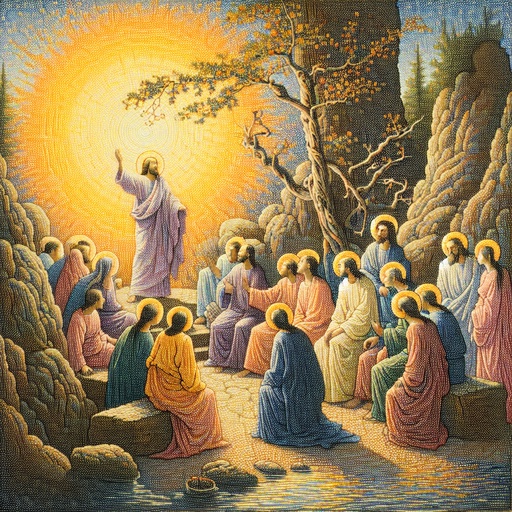
Romans 11:29 Artwork

Romans 11:29 - "For the gifts and calling of God are without repentance."

"For the gifts and calling of God are without repentance." - Romans 11:29

Romans 8:29

Romans 11:11

Romans 11:18
Romans 11:18

Romans 11:18

Romans 3:29 - "Is he the God of the Jews only? is he not also of the Gentiles? Yes, of the Gentiles also:"

Romans 11:18

Romans 11:18

Romans 11:18

Romans 11:18

Romans 8:11

Romans 5: 1-11

Romans 11:25-32

Romans 2:11 - "For there is no respect of persons with God."

Romans 5: 1-11

Romans 2:29 - "But he is a Jew, which is one inwardly; and circumcision is that of the heart, in the spirit, and not in the letter; whose praise is not of men, but of God."

Jeremiah 29:11-13

Jeremiah 29:11-13

Jeremiah 29:11-13

Jeremiah 29:11-13

Jeremiah 29:11

Jeremiah 29:11

Jeremiah 29:11

Jeremiah 29:11

Romans 15:29 - "And I am sure that, when I come unto you, I shall come in the fulness of the blessing of the gospel of Christ."

Romans 1:29 - "Being filled with all unrighteousness, fornication, wickedness, covetousness, maliciousness; full of envy, murder, debate, deceit, malignity; whisperers,"

Romans 3:11 - "There is none that understandeth, there is none that seeketh after God."

Romans 12:11 - "Not slothful in business; fervent in spirit; serving the Lord;"