What does Romans 11:24 mean?
"For if thou wert cut out of the olive tree which is wild by nature, and wert graffed contrary to nature into a good olive tree: how much more shall these, which be the natural branches, be graffed into their own olive tree?" - Romans 11:24
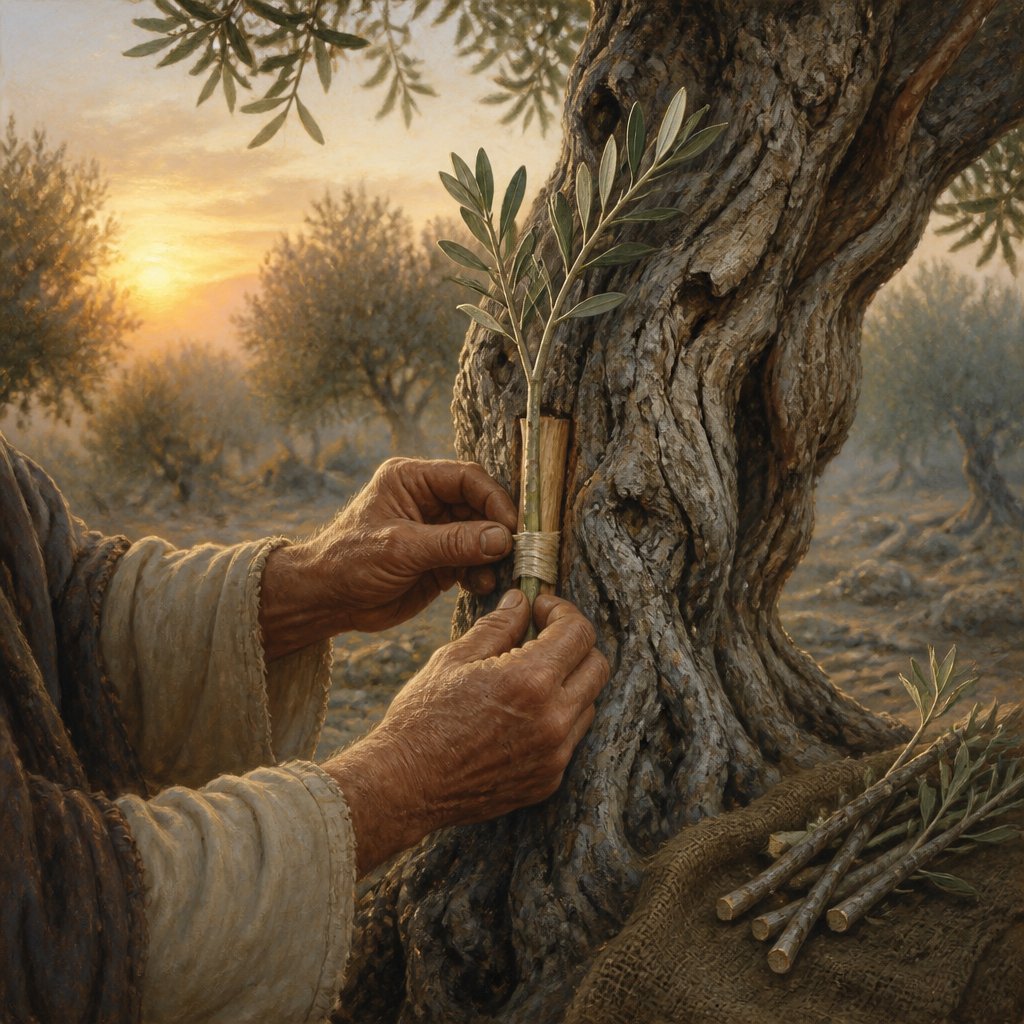
Romans 11:24 (KJV) states, "For if thou wert cut out of the olive tree which is wild by nature, and wert grafted contrary to nature into a good olive tree: how much more shall these, which be the natural branches, be grafted into their own olive tree?"
This verse is a part of a larger discourse in the book of Romans, which was written by the Apostle Paul. In this particular chapter, Paul is addressing the issue of the Jews who have rejected Jesus as the Messiah and the implications of this for the Gentile believers. Paul uses the metaphor of an olive tree to illustrate the relationship between the Jews and the Gentiles in light of the gospel.
The olive tree is a significant symbol in the Bible, representing peace, prosperity, and the blessing of God. In this verse, the wild olive tree represents the Gentiles, who were originally outside the covenant relationship with God. The good olive tree represents the Jews, who were the chosen people of God and were in a covenant relationship with Him. The act of grafting the wild branches into the good olive tree symbolizes the inclusion of the Gentiles into the blessings and promises of God's covenant.
The key theme of this verse is the concept of grafting, which is a horticultural practice of attaching a branch from one tree onto the trunk or branch of another tree in order to create a new hybrid tree. Paul uses this analogy to show that the Gentiles, who were once separated from God, have now been included in His covenant promises through their faith in Jesus Christ. This is contrary to the natural order of things, but it is a testament to the grace and mercy of God.
Another theme in this verse is the restoration of the Jews to their rightful place in God's covenant. Paul assures the Gentile believers that if God, in His grace, has extended His blessings to them, how much more will He restore the natural branches, the Jews, to their place in the olive tree. This emphasizes God's faithfulness to His promises and His continued love for the Jewish people.
The broader context of this verse is important for understanding its significance. Paul’s overarching message in Romans 11 is to encourage unity and mutual understanding between the Jewish and Gentile believers. He emphasizes that both groups are part of God's plan and that neither should consider themselves superior to the other. Instead, they should recognize their interdependence and work together as one body in Christ.
The imagery of the olive tree has deep roots in the Old Testament, where it is often associated with God's people and His blessings. In Jeremiah 11:16, God refers to Israel as a "green olive tree, fair, and of goodly fruit." This imagery is also used in Psalms 52:8 to describe the righteous, who are compared to "a green olive tree in the house of God."
In the New Testament, Jesus uses the olive tree as a metaphor for faithfulness and spiritual fruitfulness in His parables. In the Gospel of Luke, Jesus tells the parable of the barren fig tree, which can be interpreted in a similar way to the olive tree in Romans 11:24, as a symbol of God's grace and the inclusion of the Gentiles.
In conclusion, Romans 11:24 is a powerful reminder of God's grace and His plan of redemption for both Jews and Gentiles. It emphasizes the unity and interdependence of believers from all backgrounds and cultures, and it highlights God's faithfulness to His promises. The olive tree metaphor serves as a beautiful illustration of God's inclusive love and the restoration of His people to a right relationship with Him. Paul's words continue to resonate with believers today, calling them to embrace diversity and work towards unity in the body of Christ.
Have questions about Romans 11:24?
Dive deeper into this scripture with Bible Chat — an AI-powered tool for exploring God's Word through conversation. Ask questions, get context, and grow in your understanding of the Bible.
Get Our Apps


Romans 11:24 Artwork

Romans 11:24 - "For if thou wert cut out of the olive tree which is wild by nature, and wert graffed contrary to nature into a good olive tree: how much more shall these, which be the natural branches, be graffed into their own olive tree?"
"For if thou wert cut out of the olive tree which is wild by nature, and wert graffed contrary to nature into a good olive tree: how much more shall these, which be the natural branches, be graffed into their own olive tree?" - Romans 11:24

Romans 11:11

Romans 3:24

Romans 11:18
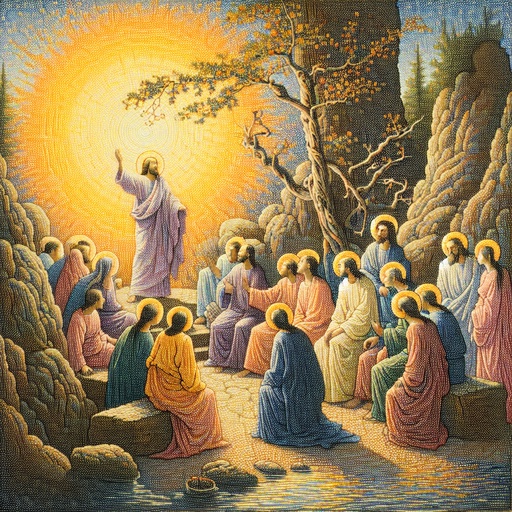
Romans 11:18

Romans 11:18

Romans 11:18

Romans 11:18

Romans 11:18
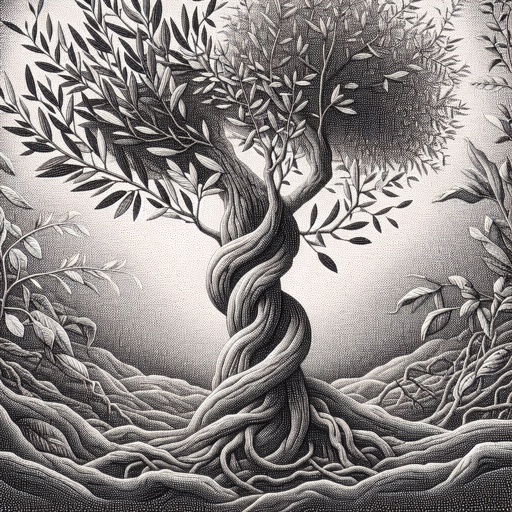
Romans 11:18

Romans 8:11

Romans 5: 1-11

Romans 11:25-32

Romans 16:24 - "The grace of our Lord Jesus Christ be with you all. Amen."

Romans 2:24 - "For the name of God is blasphemed among the Gentiles through you, as it is written."

Romans 3:24 - "Being justified freely by his grace through the redemption that is in Christ Jesus:"

Romans 2:11 - "For there is no respect of persons with God."

Romans 5: 1-11

Romans 11:29 - "For the gifts and calling of God are without repentance."

Romans 9:24 - "Even us, whom he hath called, not of the Jews only, but also of the Gentiles?"

James 1:2-4

Romans 7:24 - "O wretched man that I am! who shall deliver me from the body of this death?"

Romans 3:11 - "There is none that understandeth, there is none that seeketh after God."

Romans 12:11 - "Not slothful in business; fervent in spirit; serving the Lord;"

Mark 2:4

Romans 2:4

Romans 10:11 - "For the scripture saith, Whosoever believeth on him shall not be ashamed."

"For there is no respect of persons with God." - Romans 2:11

Romans 8:24 - "For we are saved by hope: but hope that is seen is not hope: for what a man seeth, why doth he yet hope for?"