What does Romans 11:18 mean?
"Boast not against the branches. But if thou boast, thou bearest not the root, but the root thee." - Romans 11:18

Romans 11:18 (KJV) "Boast not against the branches. But if thou boast, thou bearest not the root, but the root thee."
In order to fully understand the meaning and importance of Romans 11:18, it is essential to understand the context in which it is written. The Book of Romans is a letter written by the Apostle Paul to the Romans, and it addresses the faith and doctrine of the Christian church. In this particular verse, Paul is addressing the relationship between Jews and Gentiles in the larger context of God's plan for salvation.
The verse begins with the command, "Boast not against the branches." This is a clear warning to the Gentile Christians not to boast or become arrogant towards the Jewish people. The "branches" refer to the Jewish people, who are seen as the natural branches of the olive tree, representing the covenant relationship that God established with Israel. The Gentile Christians are considered "wild branches" that have been grafted into the olive tree, sharing in the blessings of Israel. However, Paul is cautioning against pride and arrogance, reminding the Gentiles that they are not the original branches, but rather have been grafted in by God's grace.
Paul's warning against boasting is rooted in the larger theme of humility and unity within the body of Christ. Throughout the Book of Romans, Paul emphasizes the importance of humility, love, and unity among believers. In this verse, Paul is addressing a specific issue of division and pride between Jewish and Gentile Christians, urging them to recognize their mutual dependence on God's grace and their common membership in the body of Christ.
The second part of the verse reinforces this message, stating, "But if thou boast, thou bearest not the root, but the root thee." Here, Paul is using the imagery of the olive tree to illustrate the relationship between the Jewish people and the Gentile believers. The "root" represents the Abrahamic covenant and the promises made to Israel, from which the Gentiles have received the blessings of salvation. Paul is reminding the Gentiles that they are not the source of God's blessings, but rather recipients of the grace and promises that were originally given to the Jewish people.
This verse carries a powerful message of humility, gratitude, and interconnectedness within the body of Christ. It reminds believers, both Jews and Gentiles, that their faith is not based on their own merits or accomplishments, but on the grace of God and the promises established with Israel. It also serves as a warning against pride and division, urging believers to recognize their mutual dependence on God and to cultivate a spirit of humility and unity.
In addition to its thematic significance, Romans 11:18 also carries symbolic and theological importance. The imagery of the olive tree and its branches is rich with symbolism, representing the covenant relationship between God and His people. The olive tree has long been seen as a symbol of peace, prosperity, and the anointing of God's Spirit. In this verse, the olive tree serves as a metaphor for the continuity and unity of God's plan for redemption, encompassing both the Jewish people and the Gentile believers.
Overall, Romans 11:18 stands as a powerful reminder of the interconnectedness and dependence of believers on the grace of God. It calls for humility, unity, and gratitude within the body of Christ, highlighting the importance of recognizing one's place in God's redemptive plan and the shared blessings of salvation. Through its rich imagery and profound theological implications, this verse continues to inspire and challenge believers to cultivate a spirit of humility, unity, and gratitude in their faith community.
Have questions about Romans 11:18?
Dive deeper into this scripture with Bible Chat — an AI-powered tool for exploring God's Word through conversation. Ask questions, get context, and grow in your understanding of the Bible.
Get Our Apps


Romans 11:18 Artwork

Romans 11:18
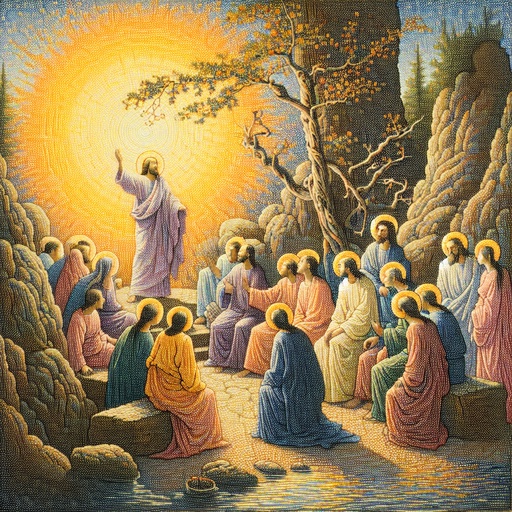
Romans 11:18

Romans 11:18

Romans 11:18

Romans 11:18

Romans 11:18

Romans 11:18

Romans 11:18 - "Boast not against the branches. But if thou boast, thou bearest not the root, but the root thee."

"Boast not against the branches. But if thou boast, thou bearest not the root, but the root thee." - Romans 11:18

Romans 11:11

Romans 8:11

Romans 3:18 - "There is no fear of God before their eyes."

Romans 5: 1-11

Romans 11:25-32

Romans 2:11 - "For there is no respect of persons with God."

Romans 5: 1-11

Romans 11:29 - "For the gifts and calling of God are without repentance."

Romans 14:18 - "For he that in these things serveth Christ is acceptable to God, and approved of men."

Romans 12:18 - "If it be possible, as much as lieth in you, live peaceably with all men."

Romans 3:11 - "There is none that understandeth, there is none that seeketh after God."

Romans 12:11 - "Not slothful in business; fervent in spirit; serving the Lord;"

Romans 6:18 - "Being then made free from sin, ye became the servants of righteousness."

"There is no fear of God before their eyes." - Romans 3:18

Romans 2:18 - "And knowest his will, and approvest the things that are more excellent, being instructed out of the law;"

Romans 10:11 - "For the scripture saith, Whosoever believeth on him shall not be ashamed."

"For there is no respect of persons with God." - Romans 2:11

Romans 7:11 - "For sin, taking occasion by the commandment, deceived me, and by it slew me."

Romans 9:18 - "Therefore hath he mercy on whom he will have mercy, and whom he will he hardeneth."

Romans 11:10 - "Let their eyes be darkened, that they may not see, and bow down their back alway."

Romans 11:16 - "For if the firstfruit be holy, the lump is also holy: and if the root be holy, so are the branches."