What does Romans 11:1 mean?
"I say then, Hath God cast away his people? God forbid. For I also am an Israelite, of the seed of Abraham, of the tribe of Benjamin." - Romans 11:1
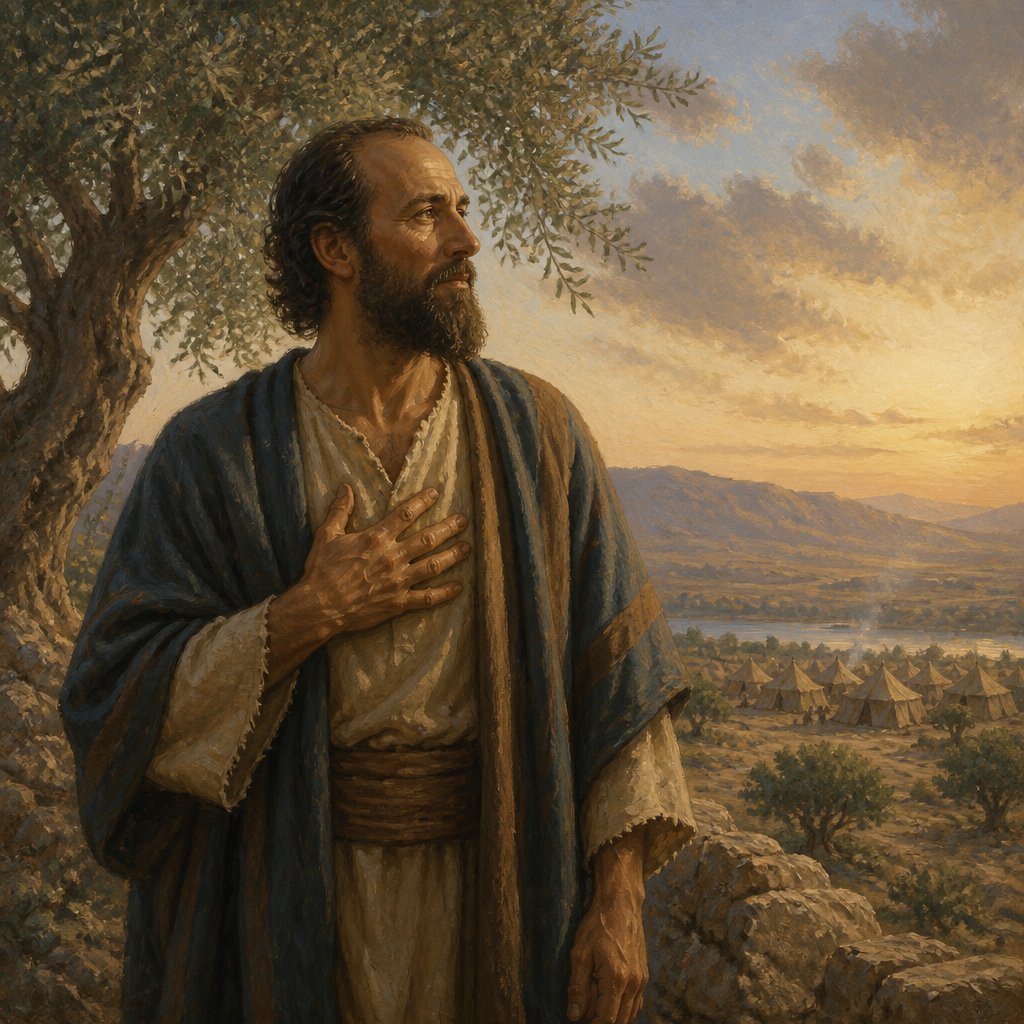
Romans 11:1 from the King James Version (KJV) of the Bible reads, "I say then, hath God cast away his people? God forbid. For I also am an Israelite, of the seed of Abraham, of the tribe of Benjamin."
This verse is found in the epistle of Paul to the Romans, specifically in the context of a discussion about the restoration of Israel. Throughout the book of Romans, Paul outlines the principles of salvation by grace through faith in Jesus Christ, and he addresses the relationship between Jews and Gentiles in the new covenant.
The verse begins with Paul expressing a rhetorical question, "I say then, hath God cast away his people?" The question reflects the concern about the unfaithfulness of Israel and whether God had rejected His chosen people. This was a pressing issue at the time, as many Jews had rejected Jesus as the Messiah, and it seemed as though they were being replaced by Gentile converts in the plan of salvation.
Paul's response to the question is emphatic: "God forbid." This phrase is a strong denial, affirming that God has not cast away His people. Paul then provides a personal testimony to support his belief in the faithfulness of God to Israel. He declares, "For I also am an Israelite, of the seed of Abraham, of the tribe of Benjamin." By identifying himself as an Israelite and a descendant of Abraham and Benjamin, Paul is affirming his own connection to the people of Israel and their ongoing significance in God's plan.
This verse holds important theological implications and addresses several themes, including the faithfulness of God, the election of Israel, and the inclusion of Gentiles in God's redemptive plan. It also serves as a reminder of the continuity between the Old and New Testaments and the ongoing significance of Israel in the broader scope of salvation history.
One of the central themes in this verse is the faithfulness of God. Throughout the Bible, God is depicted as faithful and steadfast in His promises. Despite the unfaithfulness of the Israelites at times, God remains committed to His chosen people. Paul's affirmation that God has not cast away His people reflects this understanding of God's faithfulness and His ongoing relationship with Israel.
The verse also addresses the concept of the election of Israel. The Jewish people were chosen by God to be a special people, and this election is rooted in God's covenant with Abraham. Despite the spiritual condition of individual Israelites, God's election of the nation remains unchanged. Paul's reference to his own heritage as an Israelite and a descendant of Abraham and Benjamin reinforces the idea of the continuity of God's election and the ongoing significance of the Jewish people in God's plan.
Furthermore, the verse speaks to the inclusion of Gentiles in God's redemptive plan. Throughout the book of Romans, Paul emphasizes the inclusion of Gentiles in the body of Christ through faith in Jesus. This verse serves as a reminder that while God has not cast away His people, the message of salvation is extended to all, both Jews and Gentiles. This theme of inclusion and unity in Christ is a central aspect of Paul's theology, and it is reflected in his personal testimony as an Israelite who has embraced the gospel of Jesus Christ.
In terms of context, this verse is situated within the broader discussion of the relationship between Jews and Gentiles in the plan of salvation. Paul addresses the rejection of Jesus by many Jews and the resulting inclusion of Gentiles in the gospel message. He also discusses the future restoration of Israel and the role of the Jewish people in God's redemptive plan. The verse serves as a pivotal point in Paul's argument, affirming the ongoing significance of Israel in God's plan and the unity of Jews and Gentiles in Christ.
In terms of symbolism, Paul's personal testimony as an Israelite, a descendant of Abraham, and a member of the tribe of Benjamin serves as a symbolic representation of the continuity between the Old and New Testaments. It reinforces the idea that the promises and blessings of God's covenant with Israel are realized in the person of Jesus Christ and extended to all who believe in Him, regardless of ethnic or cultural background.
In conclusion, Romans 11:1 from the King James Version of the Bible carries significant theological implications and addresses several important themes. It affirms the faithfulness of God, the election of Israel, and the inclusion of Gentiles in the plan of salvation. It also serves as a reminder of the continuity between the Old and New Testaments and the ongoing significance of Israel in God's redemptive plan. The verse reflects Paul's personal testimony as an Israelite who has embraced the gospel of Jesus Christ and serves as a symbol of the unity of Jews and Gentiles in Christ.
Have questions about Romans 11:1?
Dive deeper into this scripture with Bible Chat — an AI-powered tool for exploring God's Word through conversation. Ask questions, get context, and grow in your understanding of the Bible.
Get Our Apps


Romans 11:1 Artwork
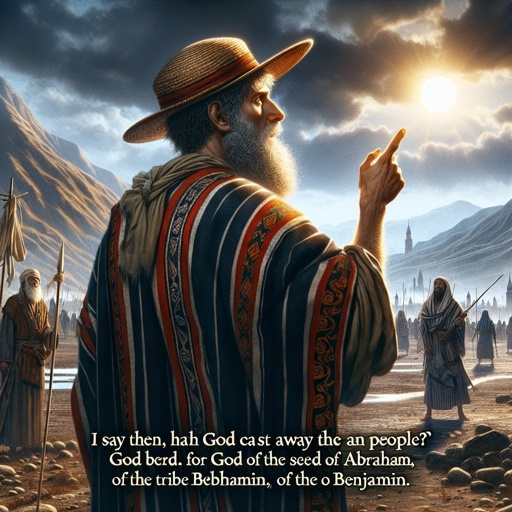
Romans 11:1 - "I say then, Hath God cast away his people? God forbid. For I also am an Israelite, of the seed of Abraham, of the tribe of Benjamin."
"I say then, Hath God cast away his people? God forbid. For I also am an Israelite, of the seed of Abraham, of the tribe of Benjamin." - Romans 11:1

Romans 8:11

Romans 5: 1-11

Romans 5: 1-11

Romans 11:11

Romans 1:11 - "For I long to see you, that I may impart unto you some spiritual gift, to the end ye may be established;"

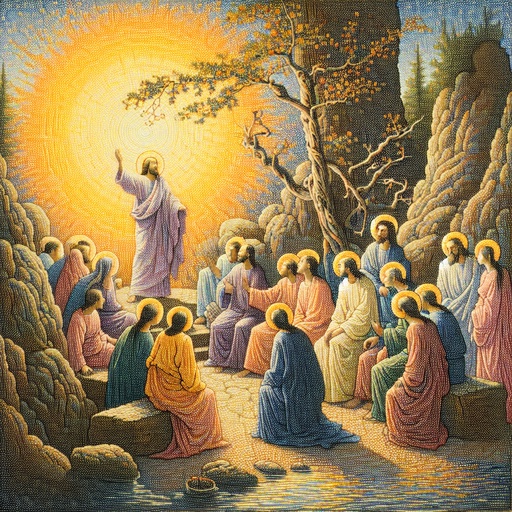
Romans 11:18
Romans 11:18

Romans 11:18

Romans 11:18

Romans 11:18

Romans 11:18

Romans 11:18

Romans 11:25-32

Romans 2:11 - "For there is no respect of persons with God."

Romans 11:29 - "For the gifts and calling of God are without repentance."

Romans 3:11 - "There is none that understandeth, there is none that seeketh after God."

Romans 12:11 - "Not slothful in business; fervent in spirit; serving the Lord;"

Romans 10:11 - "For the scripture saith, Whosoever believeth on him shall not be ashamed."

"For there is no respect of persons with God." - Romans 2:11

Romans 1:11-12 - "For I long to see you, that I may impart unto you some spiritual gift, to the end ye may be established; That is, that I may be comforted together with you by the mutual faith both of you and me."

Romans 7:11 - "For sin, taking occasion by the commandment, deceived me, and by it slew me."

Romans 11:10 - "Let their eyes be darkened, that they may not see, and bow down their back alway."

Romans 11:16 - "For if the firstfruit be holy, the lump is also holy: and if the root be holy, so are the branches."

Romans 11:5 - "Even so then at this present time also there is a remnant according to the election of grace."

Romans 11:11 - "I say then, Have they stumbled that they should fall? God forbid: but rather through their fall salvation is come unto the Gentiles, for to provoke them to jealousy."

Romans 11:19 - "Thou wilt say then, The branches were broken off, that I might be graffed in."

Romans 11:34 - "For who hath known the mind of the Lord? or who hath been his counsellor?"

Romans 11:35 - "Or who hath first given to him, and it shall be recompensed unto him again?"