What does Romans 10:14 mean?
"How then shall they call on him in whom they have not believed? and how shall they believe in him of whom they have not heard? and how shall they hear without a preacher?" - Romans 10:14
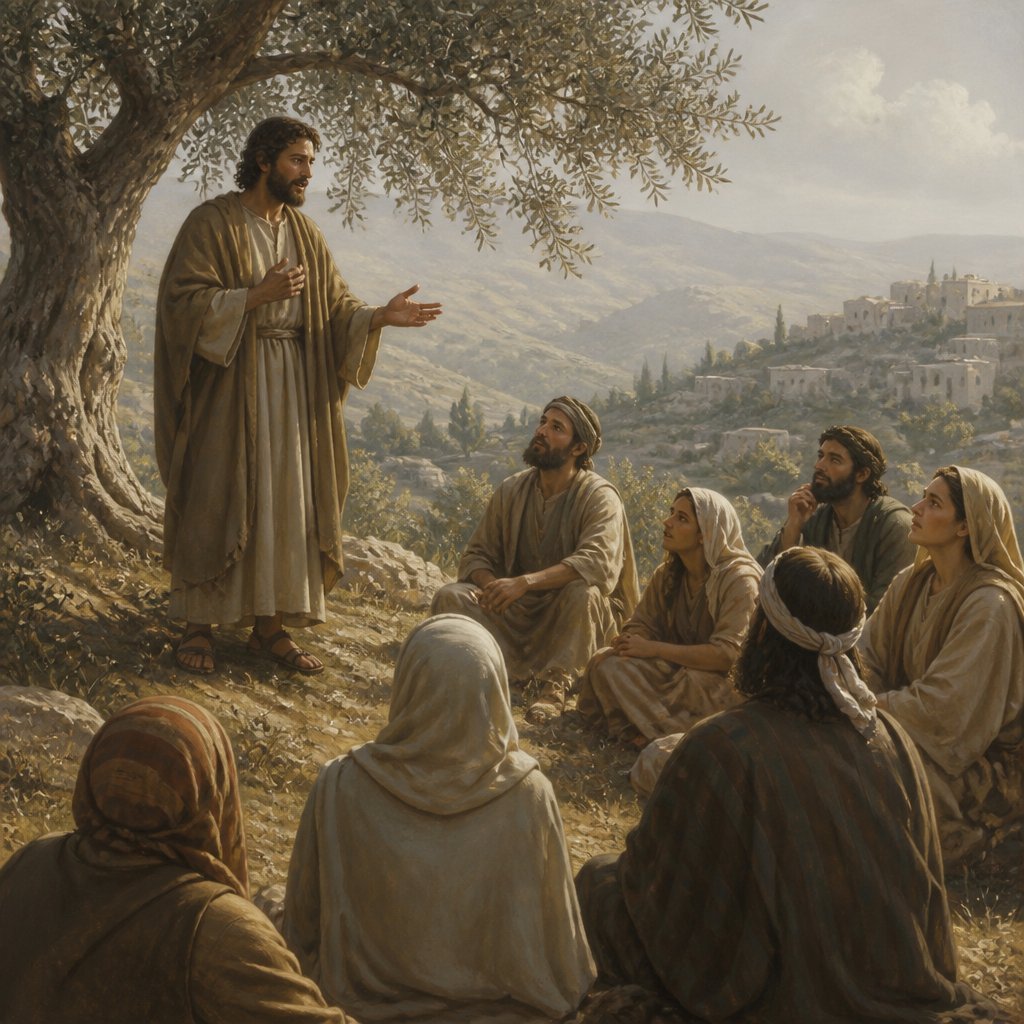
Romans 10:14 in the King James Version of the Bible reads, "How then shall they call on him in whom they have not believed? and how shall they believe in him of whom they have not heard? and how shall they hear without a preacher?"
This verse is part of a larger passage in the book of Romans, which was written by the apostle Paul to the Christian community in Rome. In this particular section, Paul is addressing the issue of salvation and the importance of spreading the message of the Gospel to all people, regardless of their background or ethnicity.
The verse begins with a rhetorical question, "How then shall they call on him in whom they have not believed?" This question underscores the necessity of belief in order to call upon God for salvation. It suggests that faith is a prerequisite for a personal relationship with God. This idea is consistent with other passages in the Bible that emphasize the importance of faith as the means by which we are justified before God (Romans 3:28, Galatians 2:16).
The verse continues, "and how shall they believe in him of whom they have not heard?" This question highlights the essential role of hearing the message of the Gospel in the process of coming to faith. It suggests that the proclamation of the Gospel is crucial for people to have the opportunity to believe and be saved. This aligns with the Great Commission given by Jesus to his disciples, in which he instructed them to go and make disciples of all nations, baptizing them and teaching them to obey everything he had commanded (Matthew 28:18-20).
The verse concludes with the question, "and how shall they hear without a preacher?" This question underscores the role of the preacher or the messenger in conveying the message of the Gospel to others. In the context of the early Christian community, this would have referred to those who were called to proclaim the good news of Jesus Christ to others. However, it can also be understood more broadly as encompassing all who share the message of the Gospel with others, whether through formal preaching or informal conversations about faith.
Overall, this passage in Romans 10:14 serves to emphasize the importance of evangelism and the spread of the Gospel. It highlights the interconnectedness of belief, hearing the message, and the role of those who proclaim it. The passage underscores the urgency of sharing the message of salvation with others and the responsibility that believers have in doing so.
In terms of themes, this verse speaks to the universal need for salvation and the responsibility of believers to share the message of the Gospel with others. It emphasizes the interconnectedness of belief, hearing the message, and the role of those who proclaim it. This reflects the broader theme of the inclusive nature of salvation in Christianity and the call to spread the message to all people.
In the context of the book of Romans, this passage is part of a larger argument that Paul is making about the righteousness of God being available to all who believe, regardless of their ethnic background or religious heritage. The book of Romans as a whole addresses themes of sin, salvation, and the faithfulness of God. This verse fits into that larger context by emphasizing the universal need for salvation and the responsibility of believers to share the message of the Gospel with others.
In terms of symbolism, this verse can be seen as a call to action for believers to be active participants in the spread of the Gospel. It highlights the role of preachers and messengers as essential in conveying the message of salvation to others. Additionally, it symbolizes the interconnectedness of belief and hearing the message, pointing to the necessity of a personal response to the Gospel in order to be saved.
In conclusion, Romans 10:14 in the King James Version of the Bible serves as a powerful reminder of the importance of evangelism and the spread of the Gospel. It emphasizes the interconnectedness of belief, hearing the message, and the role of those who proclaim it. This verse underscores the urgency of sharing the message of salvation with others and the responsibility that believers have in doing so. It aligns with broader themes in the book of Romans and in Christianity as a whole, speaking to the universal need for salvation and the inclusive nature of the Gospel message.
Have questions about Romans 10:14?
Dive deeper into this scripture with Bible Chat — an AI-powered tool for exploring God's Word through conversation. Ask questions, get context, and grow in your understanding of the Bible.
Get Our Apps


Romans 10:14 Artwork

Romans 10:14

Romans 10:14 - "How then shall they call on him in whom they have not believed? and how shall they believe in him of whom they have not heard? and how shall they hear without a preacher?"
"How then shall they call on him in whom they have not believed? and how shall they believe in him of whom they have not heard? and how shall they hear without a preacher?" - Romans 10:14

Romans 14:10 - "But why dost thou judge thy brother? or why dost thou set at nought thy brother? for we shall all stand before the judgment seat of Christ."

Romans 10

Romans 10:17

Romans 10:17

Romans 10:17

Romans 14:12

Romans 8:14

Romans 10:17

Romans 10:17

Romans 10:17

Romans 10:17
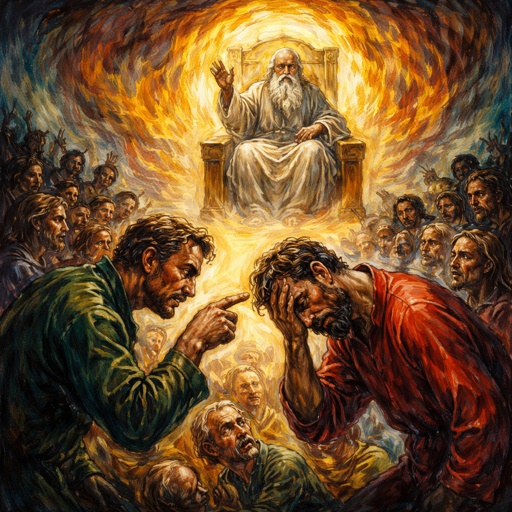
Why do you pass judgment on your brother? Or you, why do you despise your brother? For we shall all stand before the judgment seat of God; - Romans 14:10

Romans 10:17

Romans 10:9

Romans 10:9
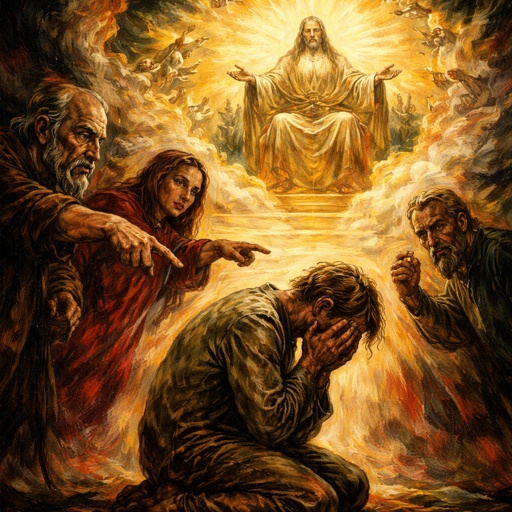
Why then do you judge your brother? Or you, why do you look down on your brother? For we shall all stand before the judgment seat of God Romans 14:10

Romans 10:13-15

Romans 10:10 - "For with the heart man believeth unto righteousness; and with the mouth confession is made unto salvation."

Romans 14:16 - "Let not then your good be evil spoken of:"

Romans 3:14 - "Whose mouth is full of cursing and bitterness:"

Romans 3:10 - "As it is written, There is none righteous, no, not one:"

Romans 8:14 - "For as many as are led by the Spirit of God, they are the sons of God."

Romans 14:7 - "For none of us liveth to himself, and no man dieth to himself."

depict the theme of Romans 13:8-14

Romans 14:1 - "Him that is weak in the faith receive ye, but not to doubtful disputations."

Romans 12:14 - "Bless them which persecute you: bless, and curse not."

Romans 9:14 - "What shall we say then? Is there unrighteousness with God? God forbid."