What does Romans 10:11-13 mean?
"For the scripture saith, Whosoever believeth on him shall not be ashamed. For there is no difference between the Jew and the Greek: for the same Lord over all is rich unto all that call upon him. For whosoever shall call upon the name of the Lord shall be saved." - Romans 10:11-13
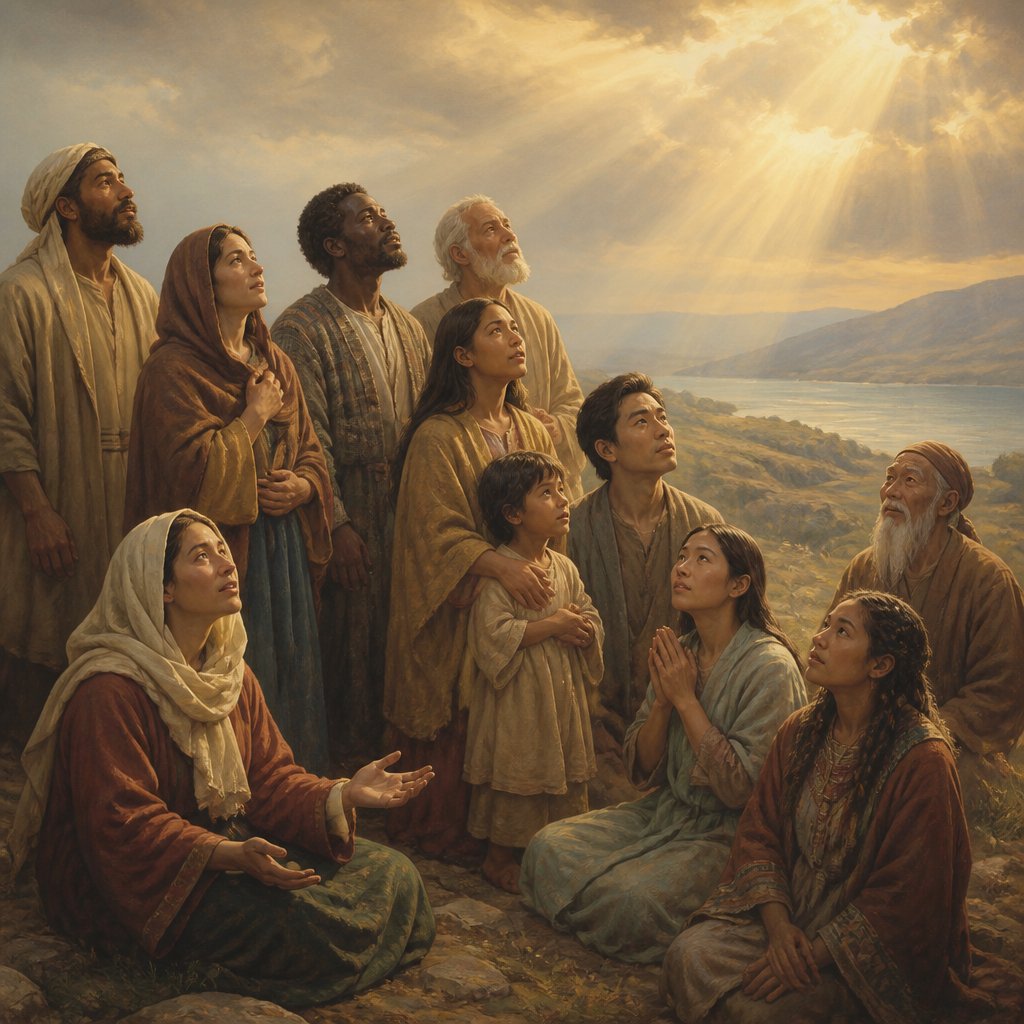
Romans 10:11-13 (KJV) states, "For the scripture saith, Whosoever believeth on him shall not be ashamed. For there is no difference between the Jew and the Greek: for the same Lord over all is rich unto all that call upon him. For whosoever shall call upon the name of the Lord shall be saved."
This passage from the book of Romans addresses the concept of salvation and the universal message of the Gospel. The scripture affirms that anyone who believes in the Lord will not be put to shame, emphasizing the inclusivity of God's salvation and the equality of all believers, regardless of their background or ethnicity.
The verse begins by proclaiming that "whosoever believeth on him shall not be ashamed." This statement shows that God's offer of salvation is open to all individuals, without any discrimination. The word "whosoever" is significant in conveying the universality of the Gospel. It encompasses every person, regardless of their past sins, ethnicity, or social status. This inclusive message was especially relevant in the cultural context of the early Christian church, which was composed of individuals from diverse backgrounds and religious upbringings.
The next verse reinforces the idea of equality and inclusivity within the Christian faith, stating, "For there is no difference between the Jew and the Greek: for the same Lord over all is rich unto all that call upon him." This statement challenges the notion of exclusivity and favoritism based on ethnic or religious identity. In the context of the first-century Roman Empire, where there was a stark division between Jews and Gentiles, this verse conveyed a revolutionary message of unity and equality within the Christian community. It emphasizes that all believers, irrespective of their heritage, have access to the same Lord who is generous and abundant in his blessings to those who call upon him.
The passage concludes with a powerful declaration of the accessibility of salvation, affirming that "whosoever shall call upon the name of the Lord shall be saved." This statement echoes the Old Testament prophetic promises (Joel 2:32) and indicates that salvation is attainable through a personal and sincere relationship with God. It underscores the necessity of calling upon the name of the Lord, signifying an act of faith and dependence on God's grace for deliverance from sin and spiritual restoration.
Symbolism plays a significant role in this passage, particularly in the use of the term "whosoever," which embodies the vast scope of God's redemptive plan for humanity. This word symbolizes the all-encompassing nature of the Gospel and serves as a reminder that salvation is available to everyone, regardless of their past or present circumstances.
Overall, Romans 10:11-13 encapsulates fundamental themes of salvation, inclusivity, and equality within the Christian faith. Its timeless message continues to resonate with believers today, reminding them of the universal offer of grace and the transformative power of calling upon the name of the Lord for salvation. This passage serves as a source of encouragement and hope, emphasizing the unchanging and all-encompassing nature of God's love for humanity.
Have questions about Romans 10:11-13?
Dive deeper into this scripture with Bible Chat — an AI-powered tool for exploring God's Word through conversation. Ask questions, get context, and grow in your understanding of the Bible.
Get Our Apps


Romans 10:11-13 Artwork

Romans 10:11-13 - "For the scripture says, “Anyone who believes in him will never be put to shame.” For there is no difference between Jew and Gentile—the same Lord is Lord of all and richly blesses all who call on him, for, “Everyone who calls on the name of the Lord will be saved."

"For the scripture says, “Anyone who believes in him will never be put to shame.” For there is no difference between Jew and Gentile—the same Lord is Lord of all and richly blesses all who call on him, for, “Everyone who calls on the name of the Lord will be saved." - Romans 10:11-13

Romans 10:13-15

Romans 10:11 - "For the scripture saith, Whosoever believeth on him shall not be ashamed."

Romans 10:13 - "For whosoever shall call upon the name of the Lord shall be saved."

Romans 13:10 - "Love worketh no ill to his neighbour: therefore love is the fulfilling of the law."

Romans 11:10 - "Let their eyes be darkened, that they may not see, and bow down their back alway."

"For the scripture saith, Whosoever believeth on him shall not be ashamed." - Romans 10:11

Combine the authority theme described in Romans 13:1-7 and Revelation 13:1-10.

Romans 11:13 - "For I speak to you Gentiles, inasmuch as I am the apostle of the Gentiles, I magnify mine office:"

"For the scripture saith, Whosoever believeth on him shall not be ashamed." - Romans 10:11

Romans 13:11 - "And that, knowing the time, that now it is high time to awake out of sleep: for now is our salvation nearer than when we believed."

"For whosoever shall call upon the name of the Lord shall be saved." - Romans 10:13

"For whosoever shall call upon the name of the Lord shall be saved." - Romans 10:13

Romans 12:10-11 - "Be kindly affectionate to one another with brotherly love, in honor giving preference to one another; not lagging in diligence, fervent in spirit, serving the Lord."

"Love worketh no ill to his neighbour: therefore love is the fulfilling of the law." - Romans 13:10

Show the Divine Order seen in Romans 131:7 with the Beastly Rule seen in Revelation 13:1-10.

"Love worketh no ill to his neighbour: therefore love is the fulfilling of the law." - Romans 13:10
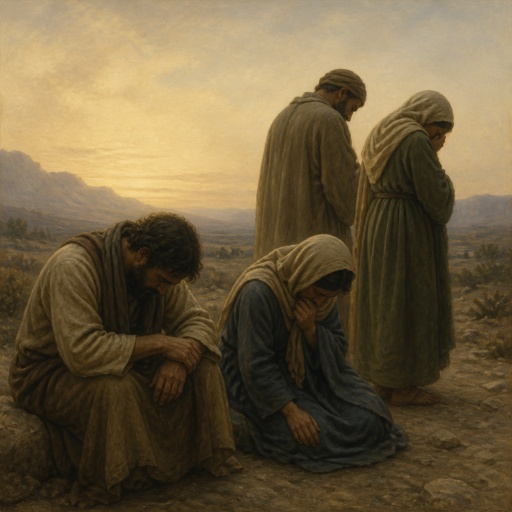
"Let their eyes be darkened, that they may not see, and bow down their back alway." - Romans 11:10

Show the Divine Order seen in Romans 131:7 with the Beastly Rule seen in Revelation 13:1-10.

Show the Divine Order seen in Romans 131:7 with the Beastly Rule seen in Revelation 13:1-10.

Show the Divine Order seen in Romans 131:7 with the Beastly Rule seen in Revelation 13:1-10.

Romans 11:11

Show the Divine Order of government authority seen in Romans 131:7 contrasted with the Beastly Rule faced in Revelation 13:1-10.

Romans 10

Romans 10:17

Romans 10:17

Romans 10:17

Romans 10:17

Romans 10:17