What does Revelation 2:2 mean?
"I know thy works, and thy labour, and thy patience, and how thou canst not bear them which are evil: and thou hast tried them which say they are apostles, and are not, and hast found them liars:" - Revelation 2:2
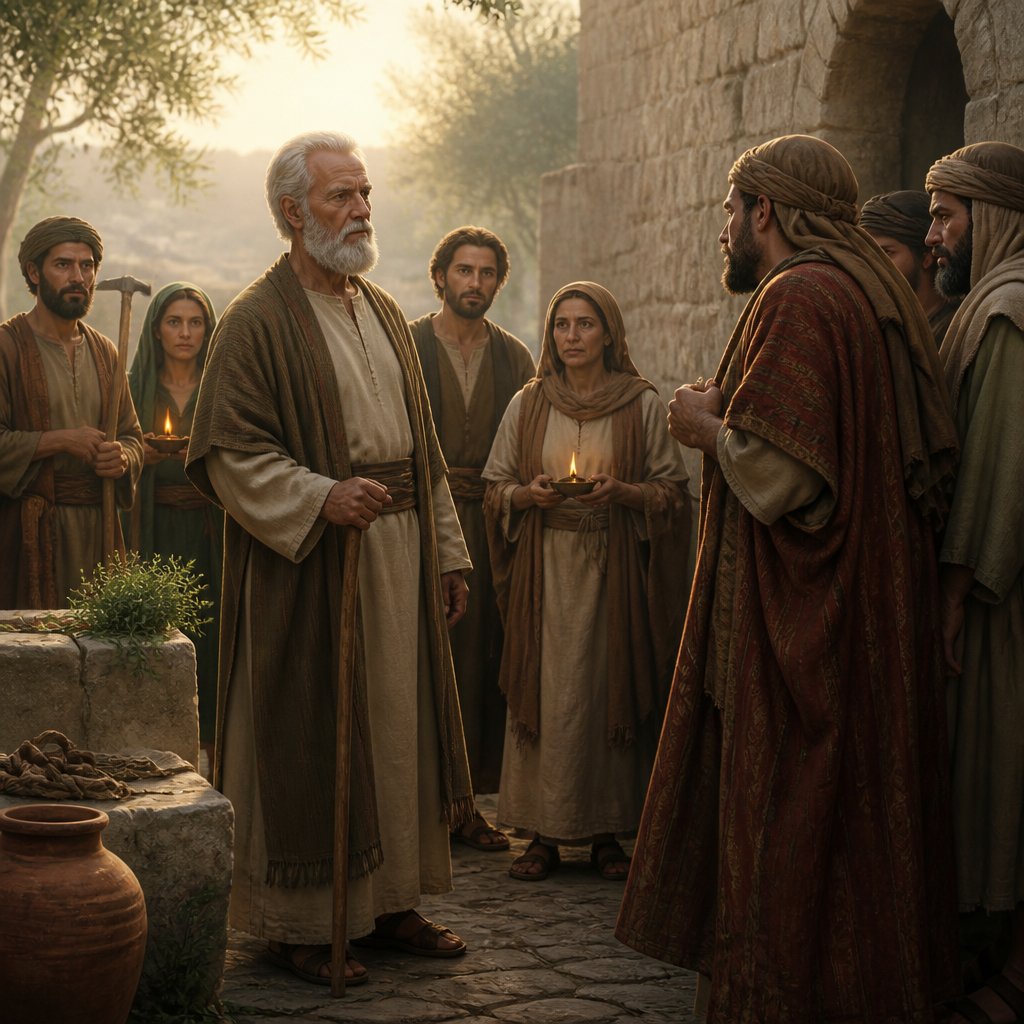
The Bible verse Revelation 2:2 from the King James Version (KJV) reads:
"I know thy works, and thy labour, and thy patience, and how thou canst not bear them which are evil: and thou hast tried them which say they are apostles, and are not, and hast found them liars."
Context:
The verse comes from the book of Revelation, which is the last book of the New Testament. The author of Revelation is traditionally believed to be the apostle John, who wrote it while exiled on the island of Patmos. The book of Revelation is a series of visions and prophecies about the end times, with a focus on the ultimate victory of Christ over evil.
Commentary:
In this verse, Jesus is speaking to the church in Ephesus, commending them for their good works, labor, and patience. He acknowledges that they have tested those who claim to be apostles and found them to be liars. The church in Ephesus is praised for their discernment and refusal to tolerate evil.
Themes:
1. Discernment: The church in Ephesus is praised for their ability to discern the true from the false. They have not been deceived by false apostles and have tested them and found them to be liars. This theme of discernment is important for all believers as they navigate the complexities of the world and the spiritual realm.
2. Good works: The church in Ephesus is commended for their works and labor, indicating their dedication to serving God and others. This emphasizes the importance of living out one's faith through actions and deeds, not just words.
3. Patience: The church in Ephesus is recognized for their patience, enduring trials and hardships without losing faith. This theme of patience is a common one throughout the Bible, as believers are called to endure and wait for the fulfillment of God's promises.
Symbolism:
The verse also contains symbolism that carries a deeper meaning.
1. Works, labor, and patience: These qualities represent the Christian life of dedication, hard work, and endurance. They highlight the importance of perseverance in the face of challenges and the need to remain steadfast in one's faith.
2. Testing false apostles: This symbolizes the necessity for believers to be discerning and cautious in the face of false teachings and false prophets. It emphasizes the importance of testing all things against the truth of God's word.
Overall, Revelation 2:2 conveys a message of commendation for the church in Ephesus, highlighting their discernment, good works, labor, and patience. It also serves as a reminder for all believers to remain vigilant and discerning in the face of false teachings and to continue serving God faithfully. The verse ultimately points to the importance of living out one's faith through good works and perseverance in the midst of trials.
Have questions about Revelation 2:2?
Dive deeper into this scripture with Bible Chat — an AI-powered tool for exploring God's Word through conversation. Ask questions, get context, and grow in your understanding of the Bible.
Get Our Apps


Revelation 2:2 Artwork

Revelation 2:2 - "I know thy works, and thy labour, and thy patience, and how thou canst not bear them which are evil: and thou hast tried them which say they are apostles, and are not, and hast found them liars:"
"I know thy works, and thy labour, and thy patience, and how thou canst not bear them which are evil: and thou hast tried them which say they are apostles, and are not, and hast found them liars:" - Revelation 2:2

Revelation 21:2

Revelation 21:2

Revelation 16:2

Revelation 16:2

Revelation 21:2

Revelation 2:1

Revelation 21:2

Revelation 2:28 - "And I will give him the morning star."

Revelation 12:2 - "And she being with child cried, travailing in birth, and pained to be delivered."

Revelation 2:21 - "And I gave her space to repent of her fornication; and she repented not."

Revelation 2:25 - "But that which ye have already hold fast till I come."

Revelation 4:2 - "And immediately I was in the spirit: and, behold, a throne was set in heaven, and one sat on the throne."

Revelation 2:6 - "But this thou hast, that thou hatest the deeds of the Nicolaitans, which I also hate."

Revelation 2:29 - "He that hath an ear, let him hear what the Spirit saith unto the churches."

Revelation 2:3 - "And hast borne, and hast patience, and for my name's sake hast laboured, and hast not fainted."

Revelation 2:15 - "So hast thou also them that hold the doctrine of the Nicolaitans, which thing I hate."
"And I will give him the morning star." - Revelation 2:28

Revelation 1:2 - "Who bare record of the word of God, and of the testimony of Jesus Christ, and of all things that he saw."

Revelation 2:8 - "And unto the angel of the church in Smyrna write; These things saith the first and the last, which was dead, and is alive;"

Revelation 20:2 - "And he laid hold on the dragon, that old serpent, which is the Devil, and Satan, and bound him a thousand years,"

Revelation 2:12 - "And to the angel of the church in Pergamos write; These things saith he which hath the sharp sword with two edges;"

Revelation 8:2 - "And I saw the seven angels which stood before God; and to them were given seven trumpets."

Revelation 2:16 - "Repent; or else I will come unto thee quickly, and will fight against them with the sword of my mouth."

Revelation 2:26 - "And he that overcometh, and keepeth my works unto the end, to him will I give power over the nations:"

Revelation 2:4 - "Nevertheless I have somewhat against thee, because thou hast left thy first love."

2 Corinthians 12:1 - "It is not expedient for me doubtless to glory. I will come to visions and revelations of the Lord."
Galatians 2:2 - "And I went up by revelation, and communicated unto them that gospel which I preach among the Gentiles, but privately to them which were of reputation, lest by any means I should run, or had run, in vain."

Revelation 5:2 - "And I saw a strong angel proclaiming with a loud voice, Who is worthy to open the book, and to loose the seals thereof?"