What does Psalms 9:6 mean?
"O thou enemy, destructions are come to a perpetual end: and thou hast destroyed cities; their memorial is perished with them." - Psalms 9:6
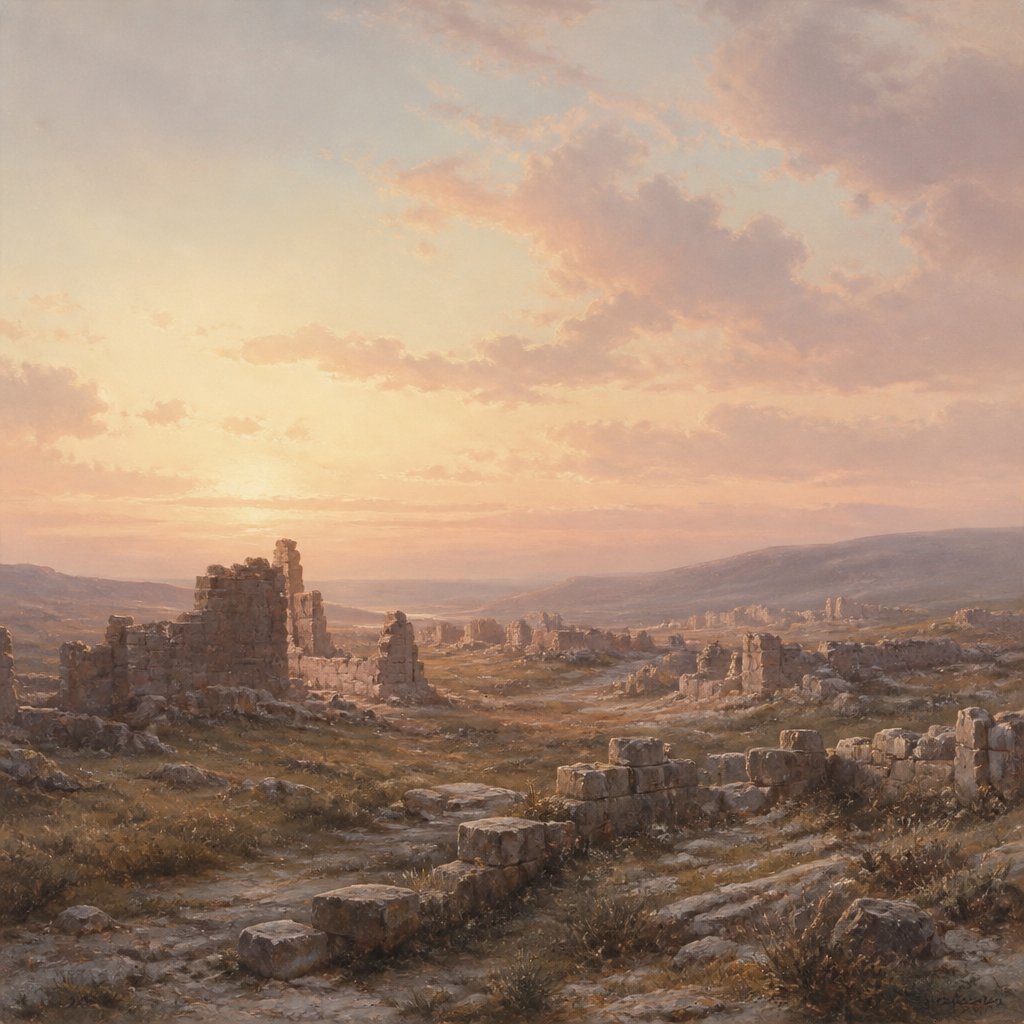
The Bible verse Psalms 9:6, as written in the King James Version, states "O thou enemy, destructions are come to a perpetual end: and thou hast destroyed cities; their memorial is perished with them." This verse is found within the book of Psalms, which is a collection of sacred songs and poems that were used in both public and private worship in ancient Israel. It is attributed to King David, who is believed to have written many of the psalms, and it is known for its themes of praise, thanksgiving, and the expression of deep emotion.
The verse itself is a declaration against enemies and evil forces. It begins with the address "O thou enemy," which sets the tone for the rest of the verse. The speaker is addressing an adversary, possibly an individual or a collective enemy, and is declaring that their destructive actions have come to an end. By stating "destructions are come to a perpetual end," the speaker is affirming that the enemy's reign of chaos and devastation will no longer continue. This assertion is followed by the acknowledgment that the enemy has destroyed cities, resulting in the loss of their memory and legacy.
One of the prominent themes in this verse is the triumph of good over evil. The speaker is expressing confidence in the defeat of their enemy and the cessation of their destructive acts. This theme of triumph is a common motif throughout the book of Psalms, as it often focuses on the faithfulness of God and the ultimate victory of righteousness. In this particular verse, the speaker's declaration serves as a form of praise and trust in God's power to overcome adversity and bring about justice.
Another theme that can be observed in Psalms 9:6 is the fleeting nature of human existence and accomplishments. The mention of destroyed cities and perished memorials emphasizes the transient nature of human achievements in the face of external forces, whether they be natural disasters, warfare, or the passage of time. This theme serves as a reminder of the fragility and impermanence of human endeavors and the importance of seeking spiritual fulfillment and salvation.
In the context of the entire book of Psalms, this verse is situated within a larger collection of songs and prayers that address a wide range of human experiences, emotions, and relationships with God. Psalms 9 in particular is attributed to David and is characterized by its focus on praise and thanksgiving to God for delivering the speaker from their enemies and for the establishment of justice. The themes of triumph, faith, and the transient nature of human achievements are prevalent throughout the book of Psalms, demonstrating the enduring relevance of these ancient texts to contemporary spirituality and moral philosophy.
Furthermore, the symbolism in Psalms 9:6 can be interpreted as a representation of the struggle between good and evil, light and darkness. The enemy in the verse can be seen as a symbol of the destructive forces that seek to undermine goodness and righteousness. The destruction of cities and their memorials serves as a metaphor for the erasure of history and the loss of cultural identity in the wake of conflict and chaos. This symbolism reinforces the overarching theme of the verse, which is the triumph of good over evil and the ultimate vindication of those who uphold righteousness and justice.
In conclusion, Psalms 9:6 is a potent declaration of triumph over adversity and the fleeting nature of human achievements in the face of external forces. Its themes of faith, triumph, and the impermanence of human endeavors are especially relevant in the context of the larger book of Psalms, which is characterized by its emphasis on praise and thanksgiving to God. The verse's symbolism further reinforces its message, portraying the struggle between good and evil and the enduring power of righteousness. As such, Psalms 9:6 continues to resonate with readers and believers as a profound expression of trust in God's righteousness and justice.
Have questions about Psalms 9:6?
Dive deeper into this scripture with Bible Chat — an AI-powered tool for exploring God's Word through conversation. Ask questions, get context, and grow in your understanding of the Bible.
Get Our Apps


Psalms 9:6 Artwork
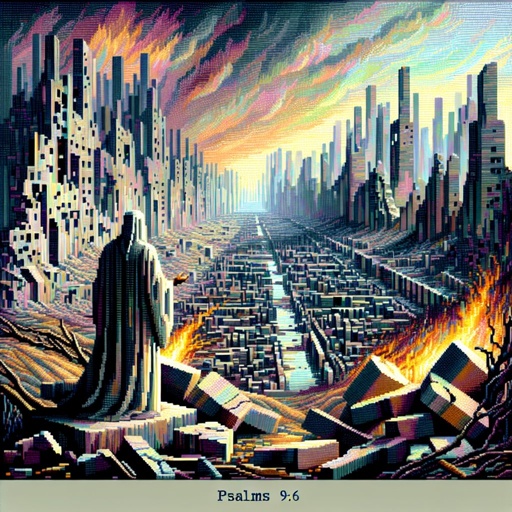
Psalms 9:6 - "O thou enemy, destructions are come to a perpetual end: and thou hast destroyed cities; their memorial is perished with them."
"O thou enemy, destructions are come to a perpetual end: and thou hast destroyed cities; their memorial is perished with them." - Psalms 9:6

Psalms 6:9 - "The LORD hath heard my supplication; the LORD will receive my prayer."

Psalms 6:9 - "The LORD hath heard my supplication; the LORD will receive my prayer."

Psalms 107:9

Psalms 126:6
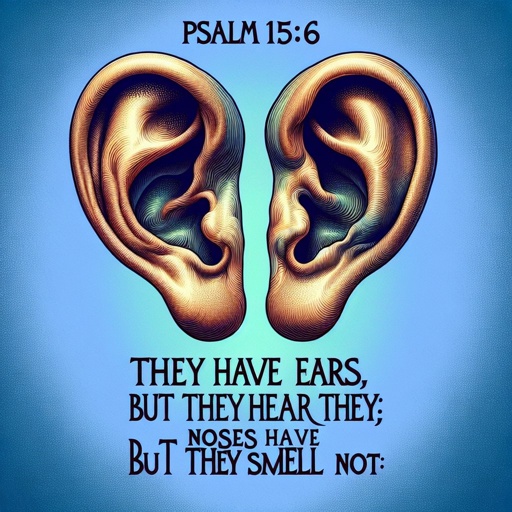
Psalms 115:6 - "They have ears, but they hear not: noses have they, but they smell not:"

Psalms 30:6 - "And in my prosperity I said, I shall never be moved."

"The LORD also will be a refuge for the oppressed, a refuge in times of trouble." - Psalms 9:9

Psalms 6:9 - "The LORD hath heard my supplication; the LORD will receive my prayer."

"The LORD hath heard my supplication; the LORD will receive my prayer." - Psalms 6:9

Psalms 129:6 - "Let them be as the grass upon the housetops, which withereth afore it groweth up:"

Psalms 144:6 - "Cast forth lightning, and scatter them: shoot out thine arrows, and destroy them."

"The LORD hath heard my supplication; the LORD will receive my prayer." - Psalms 6:9

Psalms 74:6 - "But now they break down the carved work thereof at once with axes and hammers."

Psalms 6:6

Psalms 80:6 - "Thou makest us a strife unto our neighbours: and our enemies laugh among themselves."

Psalms 114:6 - "Ye mountains, that ye skipped like rams; and ye little hills, like lambs?"

Psalms 59:9 - "Because of his strength will I wait upon thee: for God is my defence."

"They slay the widow and the stranger, and murder the fatherless." - Psalms 94:6

"Mountains, and all hills; fruitful trees, and all cedars:" - Psalms 148:9

Psalms 130:6 - "My soul waiteth for the Lord more than they that watch for the morning: I say, more than they that watch for the morning."

Psalms 118:6 - "The LORD is on my side; I will not fear: what can man do unto me?"

Psalms 9:5 - "Thou hast rebuked the heathen, thou hast destroyed the wicked, thou hast put out their name for ever and ever."

"In the morning it flourisheth, and groweth up; in the evening it is cut down, and withereth." - Psalms 90:6

Psalms 9:14 - "That I may shew forth all thy praise in the gates of the daughter of Zion: I will rejoice in thy salvation."

Psalms 107:9

Psalms 19:6 - "His going forth is from the end of the heaven, and his circuit unto the ends of it: and there is nothing hid from the heat thereof."

Psalms 9:9 - "The LORD also will be a refuge for the oppressed, a refuge in times of trouble."

"Pray for the peace of Jerusalem: they shall prosper that love thee." - Psalms 122:6