What does Psalms 94:21 mean?
"They gather themselves together against the soul of the righteous, and condemn the innocent blood." - Psalms 94:21
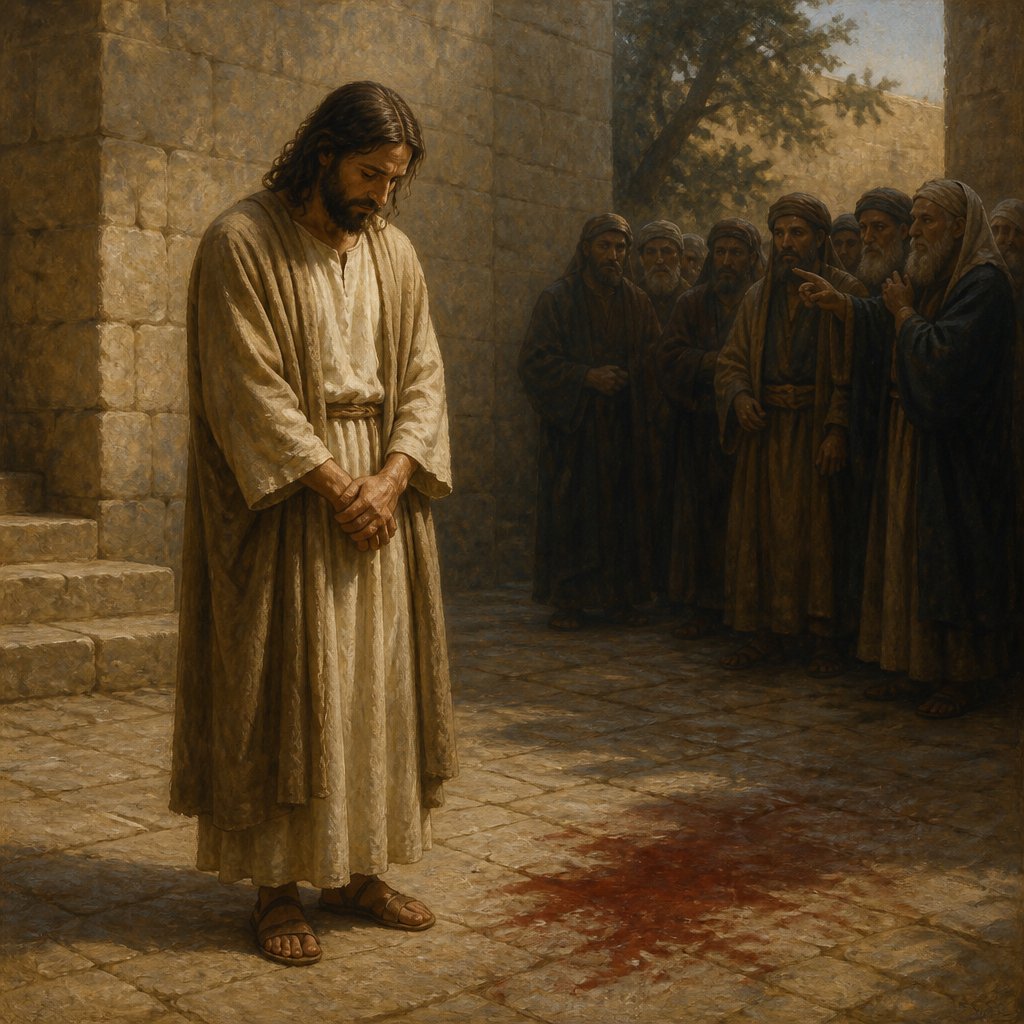
The Bible verse Psalms 94:21 in the King James Version (KJV) reads, "They gather themselves together against the soul of the righteous, and condemn the innocent blood." This verse comes from the book of Psalms, which is a collection of songs and poems attributed to King David and other writers. The book of Psalms is known for its emotional and poetic expressions of praise, worship, and lament.
The verse Psalms 94:21 is a lament, expressing the frustration and anguish of the psalmist as he observes the wicked gathering together to bring harm to the righteous. The verse is a reflection of the psalmist's experience of the wicked acting unjustly, condemning the innocent and plotting against the righteous. It conveys a sense of outrage at the injustice and cruelty that the psalmist witnesses.
Themes in this verse include the righteous suffering at the hands of the wicked, the injustice and condemnation of the innocent, and the wicked's collective efforts to harm the righteous. The verse speaks to the psalmist's deep concern for justice and righteousness, as well as his faith in God as the ultimate source of justice and deliverance.
The context of Psalms 94:21 is important for understanding its full meaning. The surrounding verses in Psalm 94 also express the psalmist's struggle with the existence of evil and injustice in the world. In verse 3, the psalmist asks, "Lord, how long shall the wicked, how long shall the wicked triumph?" This sets the tone for the rest of the psalm, as the psalmist grapples with the apparent success of the wicked and the suffering of the righteous.
The symbolism in Psalms 94:21 is significant in conveying the psalmist's emotions and the spiritual truths he is expressing. The image of the wicked gathering together against the soul of the righteous symbolizes the collective efforts of the enemies of God to bring harm to those who seek to live righteously. This imagery conveys a sense of overwhelming opposition and threat to the righteous, highlighting the seriousness of the situation.
The mention of "condemning the innocent blood" emphasizes the injustice and cruelty of the wicked, as they not only seek to harm the righteous but also to wrongfully accuse and condemn those who are blameless. The shedding of innocent blood is often used in the Bible as a symbol of great sin and the ultimate injustice.
Overall, Psalms 94:21 is a powerful expression of the struggle between good and evil, righteousness and wickedness. It reflects the psalmist's deep emotional response to the injustice and suffering he witnesses, and his cry for God to intervene and bring justice. The verse also serves as a reminder of the reality of spiritual warfare and the ongoing battle between the forces of good and evil in the world. Ultimately, the verse points to the psalmist's trust in God as the ultimate source of justice and deliverance for the righteous.
Have questions about Psalms 94:21?
Dive deeper into this scripture with Bible Chat — an AI-powered tool for exploring God's Word through conversation. Ask questions, get context, and grow in your understanding of the Bible.
Get Our Apps


Psalms 94:21 Artwork
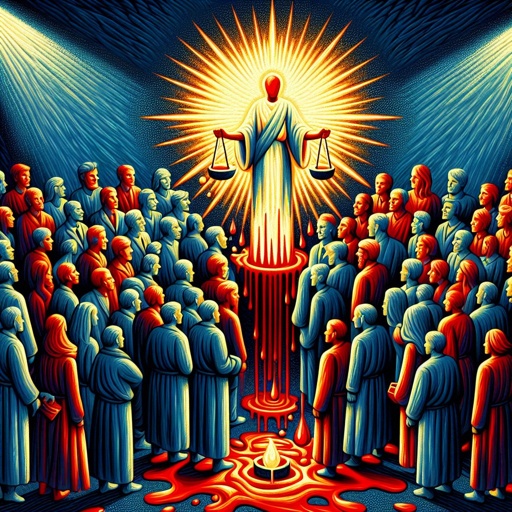
Psalms 94:21 - "They gather themselves together against the soul of the righteous, and condemn the innocent blood."
"They gather themselves together against the soul of the righteous, and condemn the innocent blood." - Psalms 94:21

Psalms 94:19 - "In the multitude of my thoughts within me thy comforts delight my soul."

"They slay the widow and the stranger, and murder the fatherless." - Psalms 94:6

Psalms 94:16 - "Who will rise up for me against the evildoers? or who will stand up for me against the workers of iniquity?"

Psalms 94:6 - "They slay the widow and the stranger, and murder the fatherless."

Psalms 94:11 - "The LORD knoweth the thoughts of man, that they are vanity."

Psalms 94:22 - "But the LORD is my defence; and my God is the rock of my refuge."
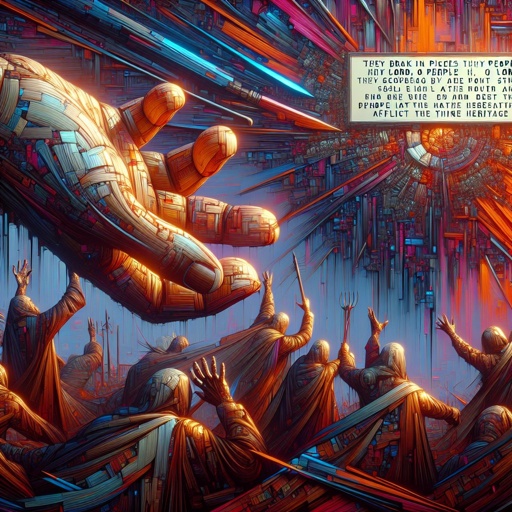
Psalms 94:5 - "They break in pieces thy people, O LORD, and afflict thine heritage."
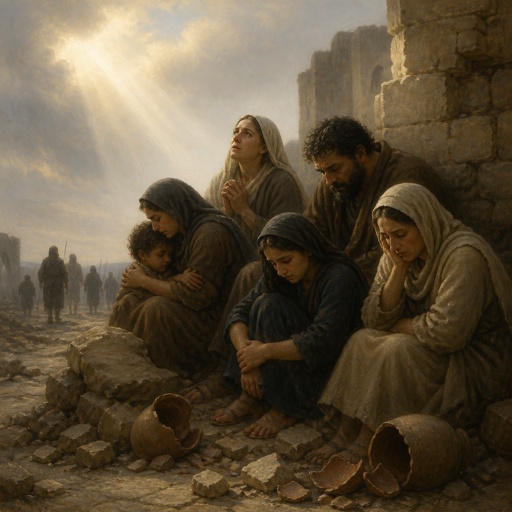
"They break in pieces thy people, O LORD, and afflict thine heritage." - Psalms 94:5

Psalms 94:2 - "Lift up thyself, thou judge of the earth: render a reward to the proud."

Psalms 119:94 - "I am thine, save me; for I have sought thy precepts."

Psalms 94:14 - "For the LORD will not cast off his people, neither will he forsake his inheritance."

Psalms 94:3 - "LORD, how long shall the wicked, how long shall the wicked triumph?"
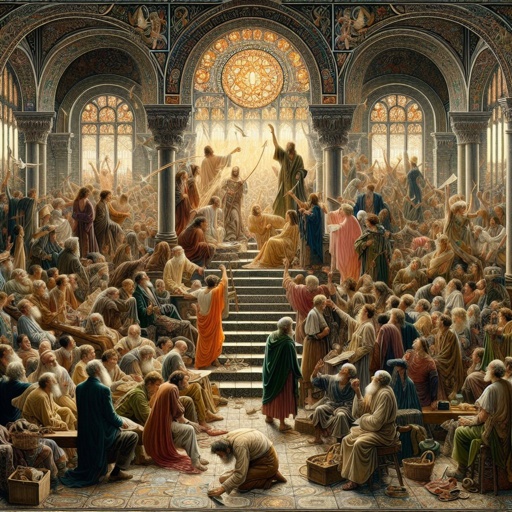
Psalms 94:8 - "Understand, ye brutish among the people: and ye fools, when will ye be wise?"

Psalms 94:7 - "Yet they say, The LORD shall not see, neither shall the God of Jacob regard it."

Psalms 94:20 - "Shall the throne of iniquity have fellowship with thee, which frameth mischief by a law?"

Psalms 94:15 - "But judgment shall return unto righteousness: and all the upright in heart shall follow it."
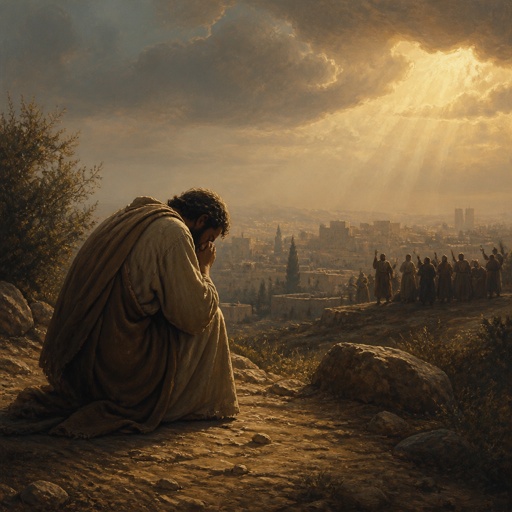
"LORD, how long shall the wicked, how long shall the wicked triumph?" - Psalms 94:3
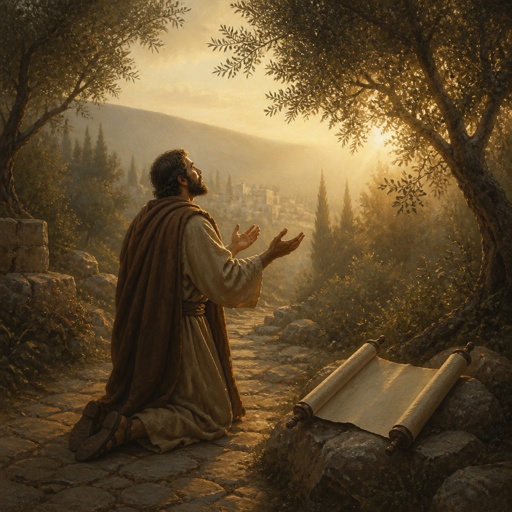
"I am thine, save me; for I have sought thy precepts." - Psalms 119:94
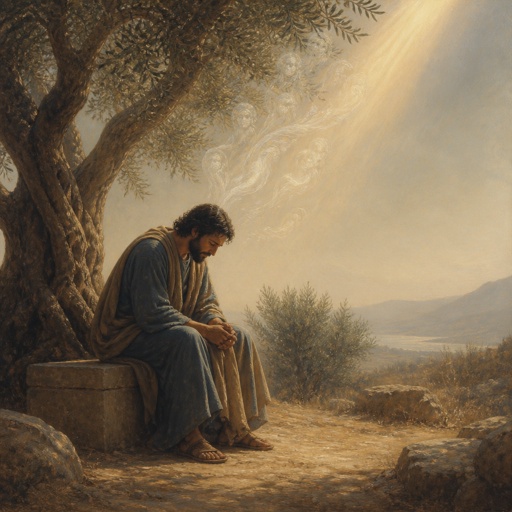
"The LORD knoweth the thoughts of man, that they are vanity." - Psalms 94:11

Psalms 94:13 - "That thou mayest give him rest from the days of adversity, until the pit be digged for the wicked."

Psalms 94:9 - "He that planted the ear, shall he not hear? he that formed the eye, shall he not see?"

Psalms 94:17 - "Unless the LORD had been my help, my soul had almost dwelt in silence."
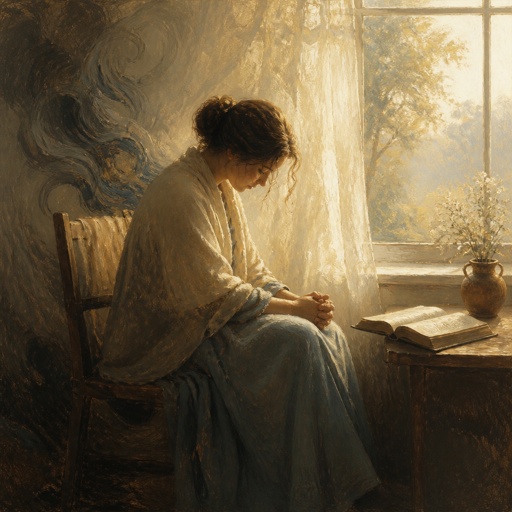
"In the multitude of my thoughts within me thy comforts delight my soul." - Psalms 94:19

Psalms 94:4 - "How long shall they utter and speak hard things? and all the workers of iniquity boast themselves?"

Psalms 94:12 - "Blessed is the man whom thou chastenest, O LORD, and teachest him out of thy law;"
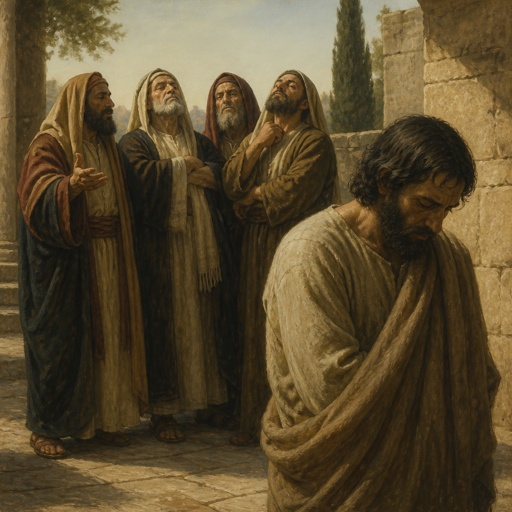
"How long shall they utter and speak hard things? and all the workers of iniquity boast themselves?" - Psalms 94:4

Psalms 94:10 - "He that chastiseth the heathen, shall not he correct? he that teacheth man knowledge, shall not he know?"

Psalms 94:1 - "O LORD God, to whom vengeance belongeth; O God, to whom vengeance belongeth, shew thyself."