What does Psalms 90:8 mean?
"Thou hast set our iniquities before thee, our secret sins in the light of thy countenance." - Psalms 90:8
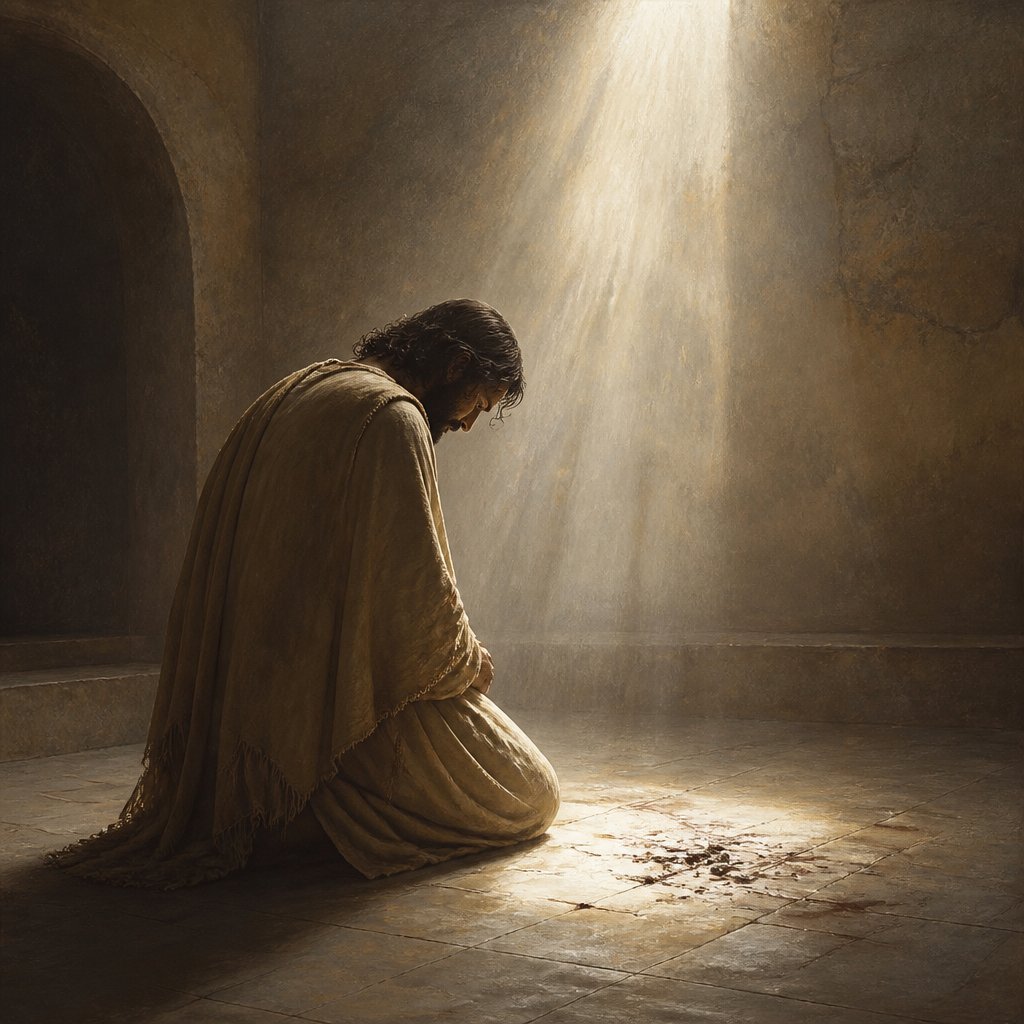
Psalms 90:8 in the King James Version reads, "Thou hast set our iniquities before thee, our secret sins in the light of thy countenance." This verse comes from the Book of Psalms, which is widely recognized as a collection of poetic songs and prayers that express a wide range of human emotions and experiences. This particular verse delves into the concept of God's omniscience and the idea that our sins are always known to Him, even the ones we try to keep hidden.
The theme of sin and accountability is central to this verse. The psalmist acknowledges that God is aware of the sins of humanity, both those that are openly committed and those that are hidden. This acknowledgement of God's knowledge of our sins can lead to feelings of guilt and shame, but it can also serve as a reminder of the need for repentance and forgiveness.
The context of this verse is important in understanding its deeper meaning. Psalm 90 is attributed to Moses, who is traditionally credited with writing the earlier portions of the Bible, including the first five books. This particular psalm is a prayer attributed to Moses, and it reflects on the eternal nature of God and the brevity of human life. The verse in question is part of a larger passage that reflects on the consequences of sin and the need for God's mercy and forgiveness.
The use of "in the light of thy countenance" in the verse is particularly powerful, as it suggests that God's presence and awareness expose our sins. The imagery of light and darkness is a common motif in the Bible, representing truth and knowledge versus ignorance and sin. In this context, the light of God's countenance serves as a metaphor for His knowledge and judgment.
The concept of hidden or secret sins is also significant in this verse. It acknowledges that humans are not always forthcoming about their sins and may try to conceal them from others, but ultimately, they are known to God. This recognition of God's omniscience reinforces the idea that there is no escaping accountability for our actions.
The symbolism in this verse is rich and thought-provoking. The idea of God setting our iniquities before Him and exposing our secret sins is a powerful metaphor for the inevitability of judgment. It speaks to the universal human experience of grappling with the knowledge that our actions, both public and private, have consequences. This verse serves as a reminder of the need for humility and repentance, as well as the assurance that God's mercy and forgiveness are available to those who seek it.
In conclusion, Psalm 90:8 is a profound meditation on the nature of sin and accountability in the presence of an omniscient God. It reflects on the human experience of guilt and shame, as well as the universal need for repentance and forgiveness. The verse's rich symbolism and powerful imagery underscore its relevance to the broader themes of humility, redemption, and the eternal nature of God. It serves as a reminder of the importance of acknowledging our sins and seeking God's mercy, even in the face of our hidden transgressions.
Have questions about Psalms 90:8?
Dive deeper into this scripture with Bible Chat — an AI-powered tool for exploring God's Word through conversation. Ask questions, get context, and grow in your understanding of the Bible.
Get Our Apps


Psalms 90:8 Artwork

Psalms 90:8 - "Thou hast set our iniquities before thee, our secret sins in the light of thy countenance."
"Thou hast set our iniquities before thee, our secret sins in the light of thy countenance." - Psalms 90:8

"In the morning it flourisheth, and groweth up; in the evening it is cut down, and withereth." - Psalms 90:6
"Lord, thou hast been our dwelling place in all generations." - Psalms 90:1

Psalms 90:6 - "In the morning it flourisheth, and groweth up; in the evening it is cut down, and withereth."

Psalms 90:4 - "For a thousand years in thy sight are but as yesterday when it is past, and as a watch in the night."

Psalms 90:17 - "And let the beauty of the LORD our God be upon us: and establish thou the work of our hands upon us; yea, the work of our hands establish thou it."
"Thy faithfulness is unto all generations: thou hast established the earth, and it abideth." - Psalms 119:90

Psalms 90:13 - "Return, O LORD, how long? and let it repent thee concerning thy servants."

Psalms 90:5 - "Thou carriest them away as with a flood; they are as a sleep: in the morning they are like grass which groweth up."

Psalms 90:11 - "Who knoweth the power of thine anger? even according to thy fear, so is thy wrath."

Psalms 90:7 - "For we are consumed by thine anger, and by thy wrath are we troubled."

Psalms 90:1 - "Lord, thou hast been our dwelling place in all generations."

Psalms 90:3 - "Thou turnest man to destruction; and sayest, Return, ye children of men."
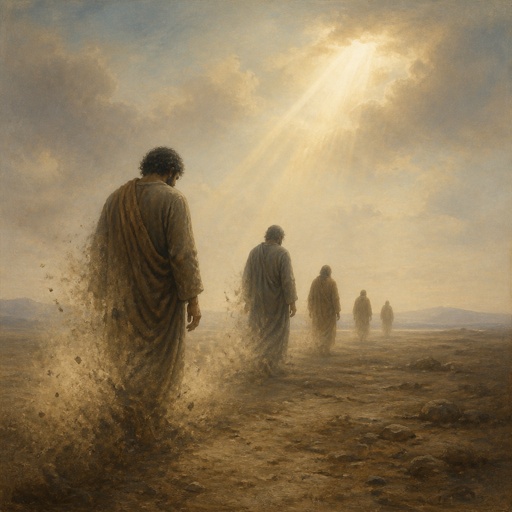
"Thou turnest man to destruction; and sayest, Return, ye children of men." - Psalms 90:3

Psalms 119:90 - "Thy faithfulness is unto all generations: thou hast established the earth, and it abideth."
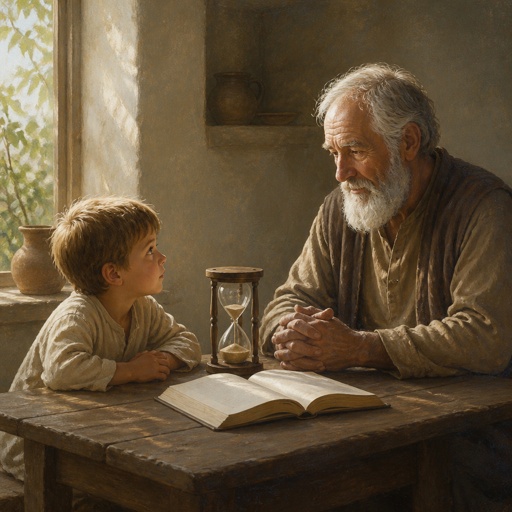
"So teach us to number our days, that we may apply our hearts unto wisdom." - Psalms 90:12

Psalms 90:16 - "Let thy work appear unto thy servants, and thy glory unto their children."

Psalms 90:15 - "Make us glad according to the days wherein thou hast afflicted us, and the years wherein we have seen evil."

Psalms 90:12 - "So teach us to number our days, that we may apply our hearts unto wisdom."

Psalms 90:14 - "O satisfy us early with thy mercy; that we may rejoice and be glad all our days."

Psalms 90:9 - "For all our days are passed away in thy wrath: we spend our years as a tale that is told."
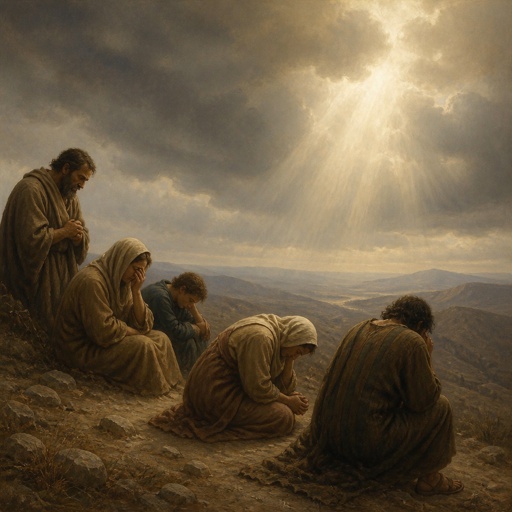
"For we are consumed by thine anger, and by thy wrath are we troubled." - Psalms 90:7
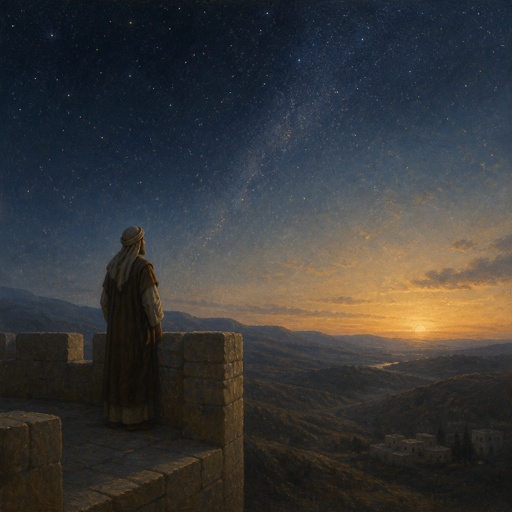
"For a thousand years in thy sight are but as yesterday when it is past, and as a watch in the night." - Psalms 90:4
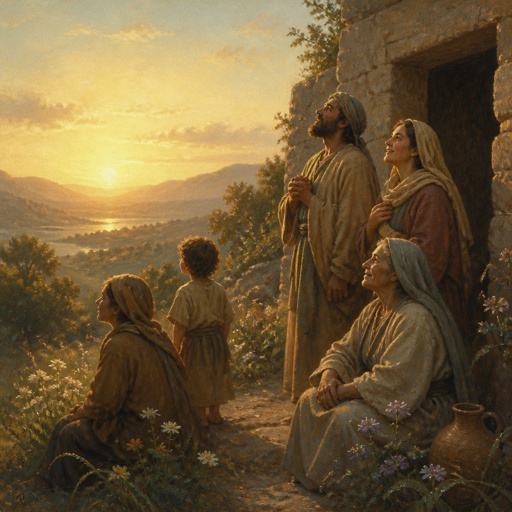
"O satisfy us early with thy mercy; that we may rejoice and be glad all our days." - Psalms 90:14

Psalms 90:2 - "Before the mountains were brought forth, or ever thou hadst formed the earth and the world, even from everlasting to everlasting, thou art God."

Psalms 90:10 - "The days of our years are threescore years and ten; and if by reason of strength they be fourscore years, yet is their strength labour and sorrow; for it is soon cut off, and we fly away."

"Thou carriest them away as with a flood; they are as a sleep: in the morning they are like grass which groweth up." - Psalms 90:5

"Before the mountains were brought forth, or ever thou hadst formed the earth and the world, even from everlasting to everlasting, thou art God." - Psalms 90:2
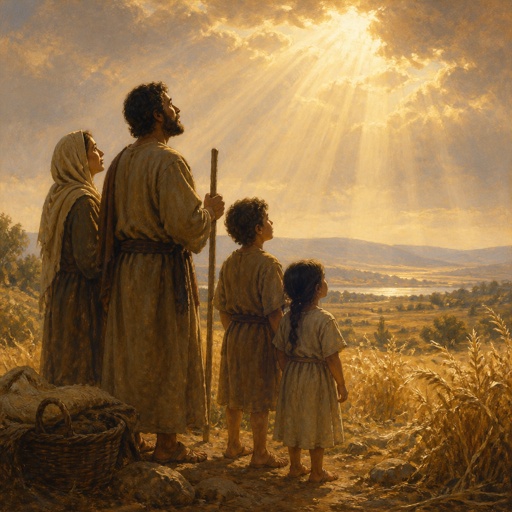
"Let thy work appear unto thy servants, and thy glory unto their children." - Psalms 90:16