What does Psalms 80:4 mean?
"O LORD God of hosts, how long wilt thou be angry against the prayer of thy people?" - Psalms 80:4
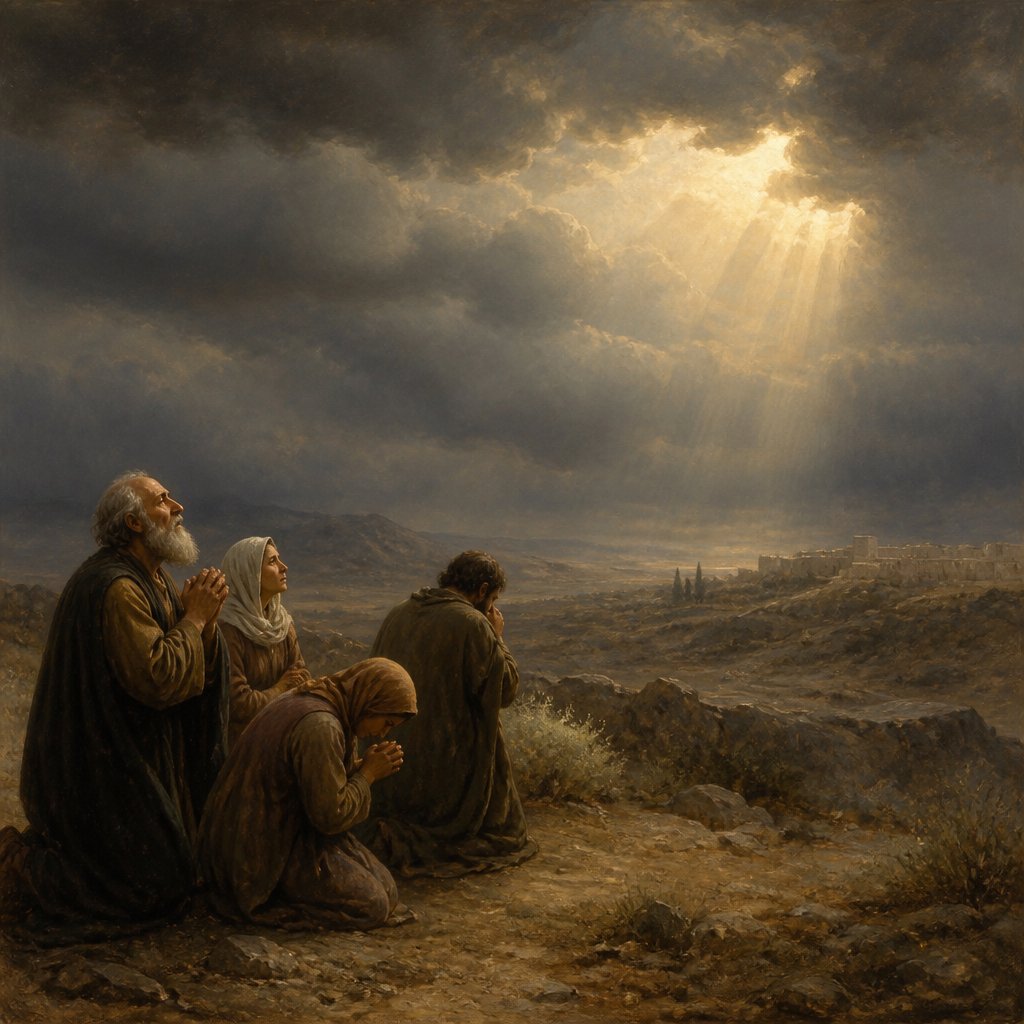
"O LORD God of hosts, how long wilt thou be angry against the prayer of thy people?"
In Psalm 80:4, the psalmist is crying out to God, asking Him how long He will be angry with His people and ignore their prayers. This verse reflects the feelings of desperation and longing for God's presence and intervention.
The psalm is attributed to Asaph, a Levite and a chief musician during the reign of King David. Asaph was known for his musical talent and his ability to express the emotions of the people through his psalms. Psalm 80 is a prayer for the restoration and protection of Israel, which is described as a vine that God brought out of Egypt and planted in the promised land. However, due to their disobedience and unfaithfulness, the nation of Israel is now in a state of distress and despair, and this verse reflects the cry of the people for God to once again turn His favor towards them.
The theme of God's anger and the plea for His mercy is a common theme throughout the book of Psalms. The psalmist often expresses the collective suffering and longing of the people for God to lift His anger and bring restoration. In this particular verse, the psalmist is acknowledging the people's awareness of God's anger and is appealing to Him to restore His favor and hear their prayers.
The use of the phrase "O LORD God of hosts" is significant as it acknowledges God's sovereignty and power over all creation. The title "God of hosts" refers to His authority over the heavenly armies, symbolizing His strength and ability to deliver His people from their distress. By addressing God with this title, the psalmist is acknowledging God's ability to intervene and bring about the change that the people are desperately seeking.
The imagery of God being "angry against the prayer of thy people" is powerful and emotive. It conveys the sense of longing and frustration that the people feel as they perceive God's silence in response to their prayers. The idea of God being "angry against the prayer" implies a sense of rejection and distance from God, which is a deeply painful experience for the psalmist and the people of Israel. The use of this language serves to highlight the urgency and intensity of the psalmist's plea for God's mercy and intervention.
This verse also reflects the human experience of feeling abandoned and forsaken by God. The psalmist's cry is one of desperation and a deep longing for God's presence and favor. It conveys the raw emotion of feeling disconnected from God and the yearning for His restoration.
In conclusion, Psalm 80:4 is a poignant and heartfelt plea for God's mercy and intervention. The psalmist's cry for God to end His anger and hear the prayers of the people reflects the universal human experience of longing for God's presence and deliverance in times of distress. The use of powerful imagery and emotive language serves to convey the depth of the psalmist's desperation and the urgency of the people's need for God's restoration. Ultimately, this verse serves as a powerful reminder of the human longing for God's intervention and the hope for His mercy and grace.
Have questions about Psalms 80:4?
Dive deeper into this scripture with Bible Chat — an AI-powered tool for exploring God's Word through conversation. Ask questions, get context, and grow in your understanding of the Bible.
Get Our Apps


Psalms 80:4 Artwork

Psalms 80:4 - "O LORD God of hosts, how long wilt thou be angry against the prayer of thy people?"
"O LORD God of hosts, how long wilt thou be angry against the prayer of thy people?" - Psalms 80:4
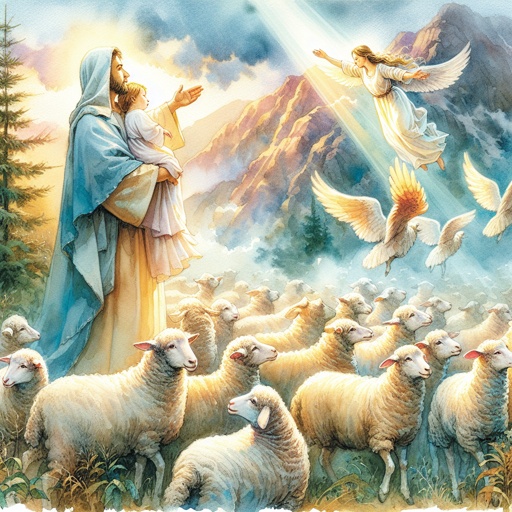
psalm 80:1-7

Psalms 80:6 - "Thou makest us a strife unto our neighbours: and our enemies laugh among themselves."
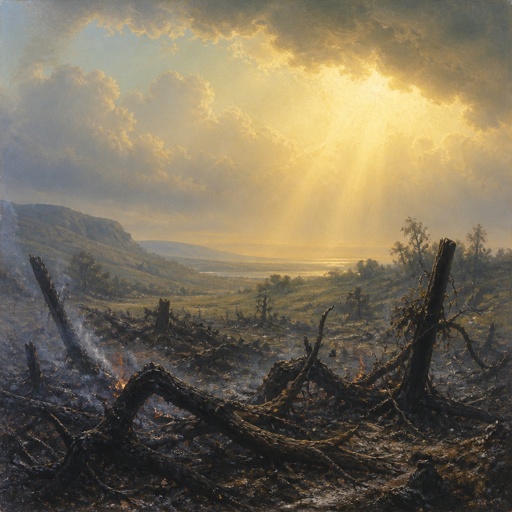
"It is burned with fire, it is cut down: they perish at the rebuke of thy countenance." - Psalms 80:16

Psalms 80:16 - "It is burned with fire, it is cut down: they perish at the rebuke of thy countenance."

Psalms 119:80 - "Let my heart be sound in thy statutes; that I be not ashamed."

Psalms 80:13 - "The boar out of the wood doth waste it, and the wild beast of the field doth devour it."

Psalms 80:10 - "The hills were covered with the shadow of it, and the boughs thereof were like the goodly cedars."
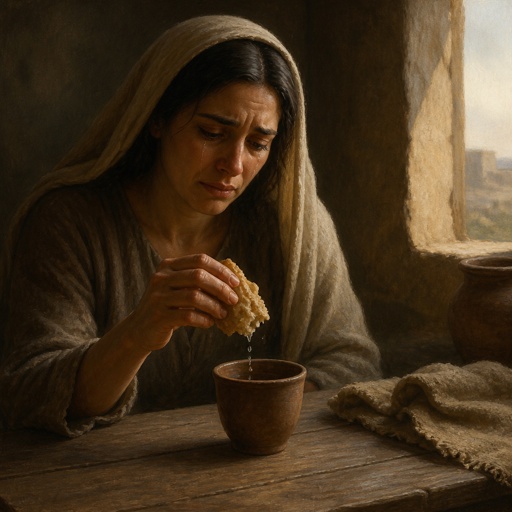
"Thou feedest them with the bread of tears; and givest them tears to drink in great measure." - Psalms 80:5

Psalms 80:5 - "Thou feedest them with the bread of tears; and givest them tears to drink in great measure."

Psalms 80:2 - "Before Ephraim and Benjamin and Manasseh stir up thy strength, and come and save us."

Psalms 80:9 - "Thou preparedst room before it, and didst cause it to take deep root, and it filled the land."

Psalms 80:11 - "She sent out her boughs unto the sea, and her branches unto the river."

"Before Ephraim and Benjamin and Manasseh stir up thy strength, and come and save us." - Psalms 80:2

"She sent out her boughs unto the sea, and her branches unto the river." - Psalms 80:11

Psalms 80:15 - "And the vineyard which thy right hand hath planted, and the branch that thou madest strong for thyself."

Psalms 80:3 - "Turn us again, O God, and cause thy face to shine; and we shall be saved."

Psalms 80:8 - "Thou hast brought a vine out of Egypt: thou hast cast out the heathen, and planted it."

Psalms 80:7 - "Turn us again, O God of hosts, and cause thy face to shine; and we shall be saved."

Psalms 80:18 - "So will not we go back from thee: quicken us, and we will call upon thy name."
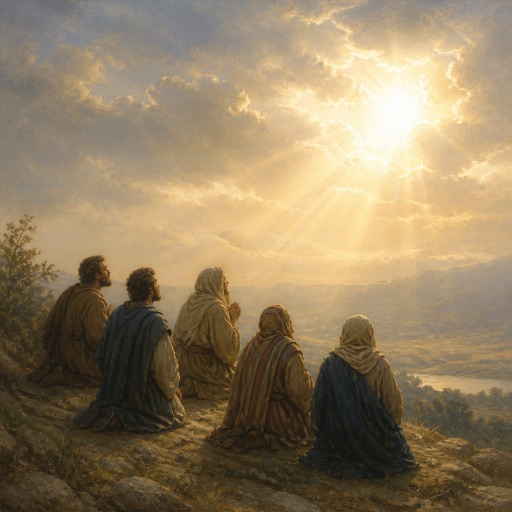
"Turn us again, O God, and cause thy face to shine; and we shall be saved." - Psalms 80:3

Psalms 80:19 - "Turn us again, O LORD God of hosts, cause thy face to shine; and we shall be saved."
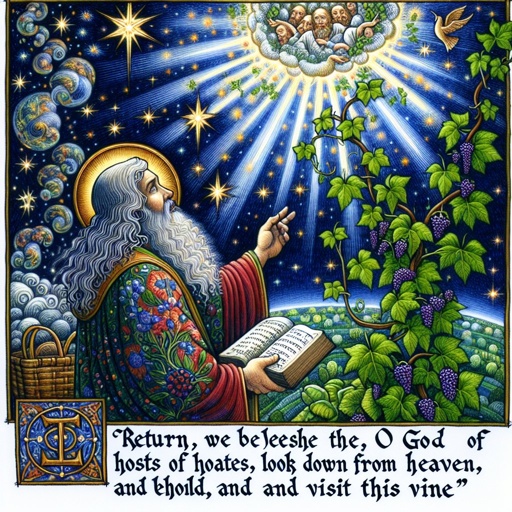
Psalms 80:14 - "Return, we beseech thee, O God of hosts: look down from heaven, and behold, and visit this vine;"
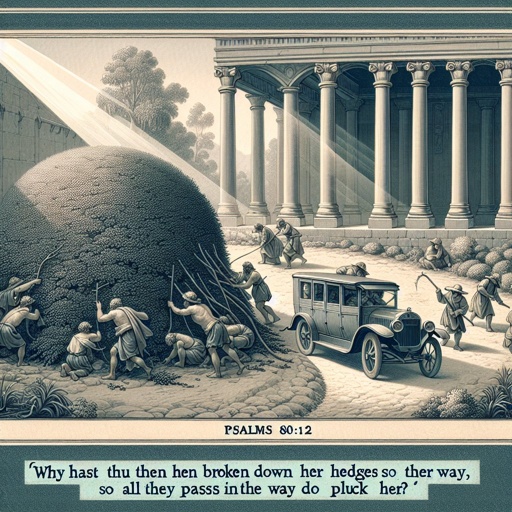
Psalms 80:12 - "Why hast thou then broken down her hedges, so that all they which pass by the way do pluck her?"
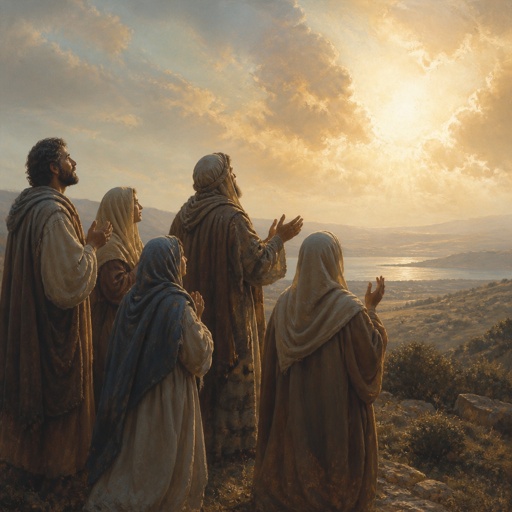
"So will not we go back from thee: quicken us, and we will call upon thy name." - Psalms 80:18
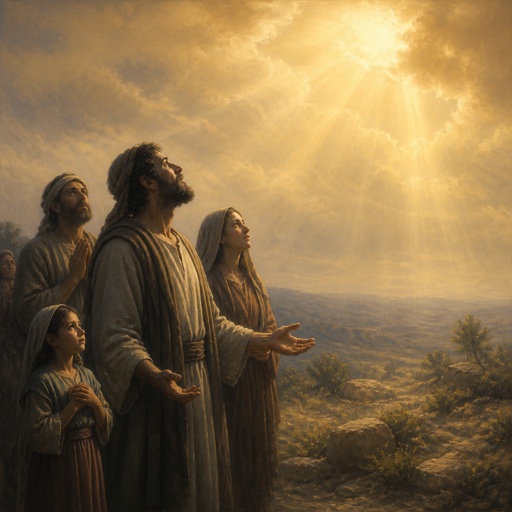
"Turn us again, O LORD God of hosts, cause thy face to shine; and we shall be saved." - Psalms 80:19

Psalms 80:1 - "Give ear, O Shepherd of Israel, thou that leadest Joseph like a flock; thou that dwellest between the cherubims, shine forth."

Psalms 80:17 - "Let thy hand be upon the man of thy right hand, upon the son of man whom thou madest strong for thyself."

"Return, we beseech thee, O God of hosts: look down from heaven, and behold, and visit this vine;" - Psalms 80:14