What does Psalms 7:7 mean?
"So shall the congregation of the people compass thee about: for their sakes therefore return thou on high." - Psalms 7:7

Psalms 7:7 in the King James Version (KJV) reads, "So shall the congregation of the people compass thee about: for their sakes therefore return thou on high." This verse is part of a larger passage, in which David, the author of the Psalm, is calling out to God for deliverance from his enemies. The verse is a plea for divine intervention and is also a declaration of confidence in God's ability to protect and defend His people.
The themes present in this verse are protection, deliverance, and the sovereignty of God. David's plea to God for protection is a recurring theme in the book of Psalms, and it reflects the human experience of facing threats, enemies, and adversity. The language of "compass thee about" implies a sense of encirclement and danger, which enhances the urgency of David's plea for God to "return thou on high" for the sake of His people. This image of God being on high suggests His position of authority and power, and it serves as a source of hope and confidence for David in the face of his adversaries.
The context of this verse is important for understanding its significance. In the preceding verses, David describes the actions of his enemies, who are described as "a wicked person" and "the wicked" in the King James Version. These individuals are deceitful, violent, and unjust in their behavior towards David, and they are intent on bringing him down. David's plea to God is a response to the distress and danger that he is facing, and it reflects his reliance on God as his ultimate source of strength and protection.
The symbolism in Psalms 7:7 underscores the power and authority of God as the ultimate protector and defender of His people. The mention of "the congregation of the people" suggests a collective gathering or assembly, and it can be interpreted as a representation of the enemies or those who seek to harm David. In contrast, the phrase "return thou on high" symbolizes God's transcendence and His ability to intervene from a position of supreme authority and majesty. This imagery serves to emphasize the contrast between the limited, earthly power of David's enemies and the unlimited, divine power of God.
Overall, Psalms 7:7 conveys a message of trust and reliance on God in the face of adversity. It serves as a reminder of God's willingness and ability to protect and defend His people, even when they are surrounded by dangers and threats. The verse also highlights the importance of seeking God's intervention and trusting in His sovereignty, especially in times of distress and trouble. As such, it offers comfort and hope to those who find themselves in similar situations, encouraging them to turn to God for deliverance and protection.
Have questions about Psalms 7:7?
Dive deeper into this scripture with Bible Chat — an AI-powered tool for exploring God's Word through conversation. Ask questions, get context, and grow in your understanding of the Bible.
Get Our Apps


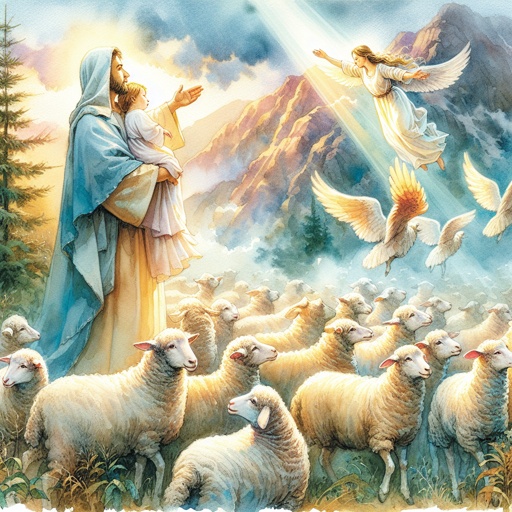
Psalms 7:7 Artwork

Psalms 7:7 - "So shall the congregation of the people compass thee about: for their sakes therefore return thou on high."

"So shall the congregation of the people compass thee about: for their sakes therefore return thou on high." - Psalms 7:7

Psalms 20 7
psalm 80:1-7

Psalms 98:7 - "Let the sea roar, and the fulness thereof; the world, and they that dwell therein."

Psalms 12:7 - "Thou shalt keep them, O LORD, thou shalt preserve them from this generation for ever."

"All sheep and oxen, yea, and the beasts of the field;" - Psalms 8:7

Psalms 22:7

Psalms 37:7

Psalms 42:7 (ESV) 7 Deep calls to deep at the roar of your waterfalls; all your breakers and your waves have gone over me.

"Gebal, and Ammon, and Amalek; the Philistines with the inhabitants of Tyre;" - Psalms 83:7

Psalms 88:7 - "Thy wrath lieth hard upon me, and thou hast afflicted me with all thy waves. Selah."

Psalms 29:7 - "The voice of the LORD divideth the flames of fire."

"Will the Lord cast off for ever? and will he be favourable no more?" - Psalms 77:7

"We will go into his tabernacles: we will worship at his footstool." - Psalms 132:7

"Let the sea roar, and the fulness thereof; the world, and they that dwell therein." - Psalms 98:7

Psalms 8:7 - "All sheep and oxen, yea, and the beasts of the field;"

Psalms 25:7 - "Remember not the sins of my youth, nor my transgressions: according to thy mercy remember thou me for thy goodness' sake, O LORD."

Psalms 48:7 - "Thou breakest the ships of Tarshish with an east wind."

Psalms 83:7 - "Gebal, and Ammon, and Amalek; the Philistines with the inhabitants of Tyre;"

"The LORD of hosts is with us; the God of Jacob is our refuge. Selah." - Psalms 46:7

"Lo, then would I wander far off, and remain in the wilderness. Selah." - Psalms 55:7

"Praise the LORD from the earth, ye dragons, and all deeps:" - Psalms 148:7

Psalms 120:7 - "I am for peace: but when I speak, they are for war."

Psalms 7:10 - "My defence is of God, which saveth the upright in heart."

Psalms 77:7 - "Will the Lord cast off for ever? and will he be favourable no more?"

"Let Israel hope in the LORD: for with the LORD there is mercy, and with him is plenteous redemption." - Psalms 130:7

Psalms 149:7 - "To execute vengeance upon the heathen, and punishments upon the people;"

"Then said I, Lo, I come: in the volume of the book it is written of me," - Psalms 40:7

Psalms 38:7 - "For my loins are filled with a loathsome disease: and there is no soundness in my flesh."