What does Psalms 77:4 mean?
"Thou holdest mine eyes waking: I am so troubled that I cannot speak." - Psalms 77:4
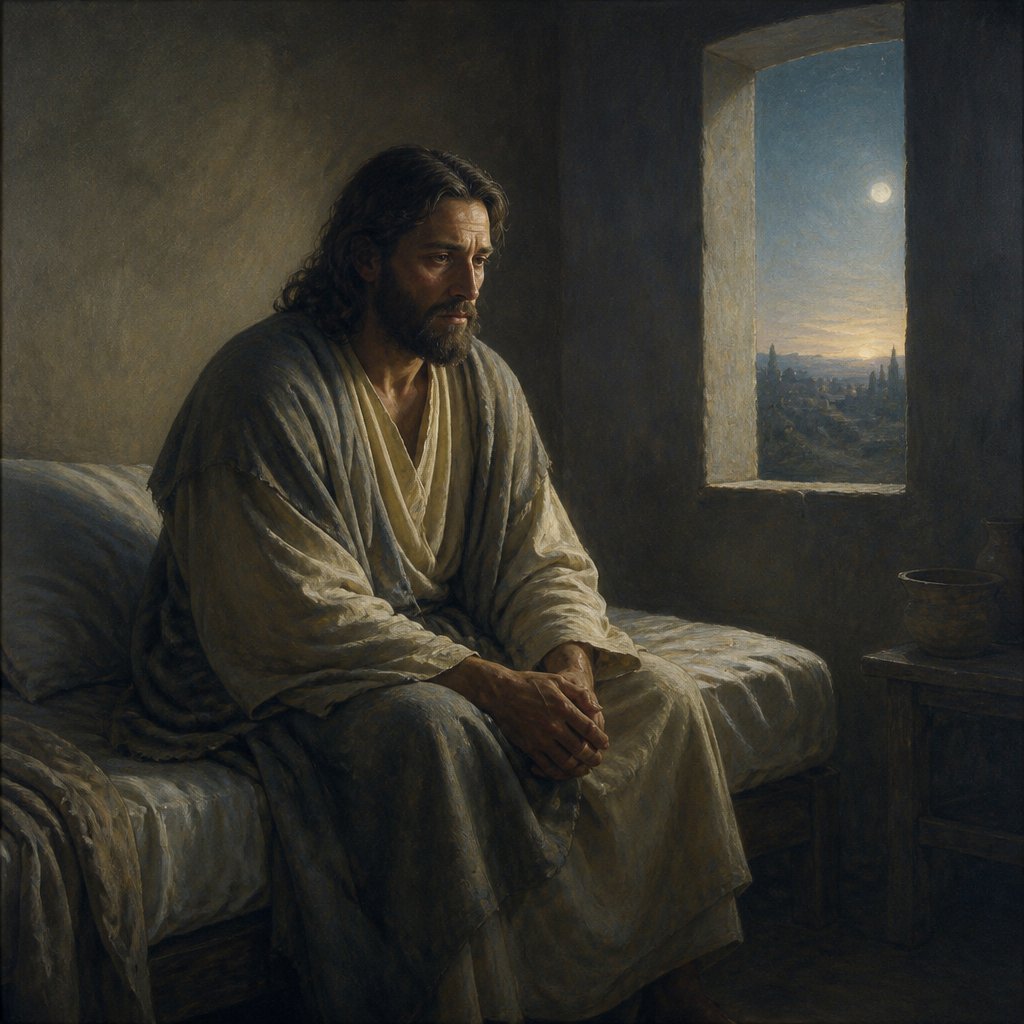
The Bible verse Psalm 77:4 in the King James Version (KJV) reads: "Thou holdest mine eyes waking: I am so troubled that I cannot speak." This verse is found in the Book of Psalms, which is a collection of religious songs, prayers, and poems that express the range of human emotions and experiences in relation to God. Psalm 77 is attributed to Asaph, a Levite who was appointed by King David to be a musician and a singer, and it reflects his deep anguish and distress. As we delve into the meaning and commentary of this verse, it is important to consider the historical and cultural context in which it was written, as well as the themes and symbolism present within it.
The Book of Psalms is often referred to as the "prayer book" of the Bible, and it encompasses a wide range of human experiences, emotions, and responses to God. Psalm 77 is particularly focused on the theme of despair and the struggle to reconcile the feeling of abandonment by God with the belief in His faithfulness. The opening verse of the chapter sets the tone: "I cried unto God with my voice, even unto God with my voice; and he gave ear unto me" (Psalm 77:1, KJV). Asaph begins by expressing his distress and the intensity of his prayers, emphasizing the urgency of his situation and the desperate need for divine intervention.
In verse 4, Asaph acknowledges the sovereignty of God over his life, declaring, "Thou holdest mine eyes waking." This statement reflects a profound sense of awareness regarding God's presence and control, even in the midst of his turmoil. The imagery of God "holding" his eyes waking suggests a constant vigilance and attentiveness, indicating that God is intimately involved in every aspect of his life, including his sleepless nights filled with distress. Furthermore, this phrase serves as a reminder of God's omniscience and omnipresence, as He is depicted as the one who is ever-watchful and engaged with the plight of His people.
The latter part of the verse reveals the depth of Asaph's anguish: "I am so troubled that I cannot speak." Here, the psalmist articulates the overwhelming nature of his distress, to the point where he is rendered speechless. This signifies the profound impact of his suffering, as he finds himself at a loss for words to express the depth of his emotions and struggles. The inability to speak reflects a sense of helplessness and despair, as he grapples with the weight of his troubles. This sentiment resonates with anyone who has experienced deep sorrow or hardship, as it captures the profound sense of being overwhelmed to the point of silence.
The theme of suffering and silent anguish is a prevalent one in the book of Psalms, reflecting the reality of human suffering and the need for divine comfort and restoration. Asaph's candid expression of his inner turmoil invites readers to acknowledge and validate their own struggles, while also pointing to the necessity of turning to God in times of distress. This verse serves as a potent reminder of the power of prayer, as it illustrates the psalmist's reliance on God in the midst of his suffering, despite his inability to articulate his anguish. It encourages believers to approach God with honesty and vulnerability, even when words seem inadequate in expressing the depth of their pain.
Furthermore, the symbolism present in this verse emphasizes the intimate relationship between God and His people. The image of God "holding" Asaph's eyes waking conveys a sense of closeness and attentive care, reinforcing the idea of God's steadfast presence amidst adversity. The notion of being unable to speak due to overwhelming distress serves as a poignant reminder of the limitations of human understanding and expression in the face of suffering, while also highlighting the need for reliance on God's understanding and comfort. Ultimately, this verse conveys a message of hope and reliance on God in the midst of trials, as it portrays the psalmist's unwavering trust in God's sovereignty and provision.
In conclusion, Psalm 77:4 in the King James Version offers a profound and poignant depiction of the psalmist's anguish and his unyielding faith in the midst of suffering. It encapsulates the themes of distress, reliance on God, and the limitations of human response in the face of adversity. Its rich imagery and symbolism convey a sense of God's intimate involvement in the lives of His people, despite their struggles and inability to articulate their pain. It serves as a powerful reminder of the importance of turning to God in times of hardship and the assurance of His unwavering presence and care. As believers engage with this verse, they are encouraged to approach God with honesty and vulnerability, trusting in His sovereignty and provision, even amidst their deepest sorrows.
Have questions about Psalms 77:4?
Dive deeper into this scripture with Bible Chat — an AI-powered tool for exploring God's Word through conversation. Ask questions, get context, and grow in your understanding of the Bible.
Get Our Apps


Psalms 77:4 Artwork

Psalms 77:4 - "Thou holdest mine eyes waking: I am so troubled that I cannot speak."
"Thou holdest mine eyes waking: I am so troubled that I cannot speak." - Psalms 77:4
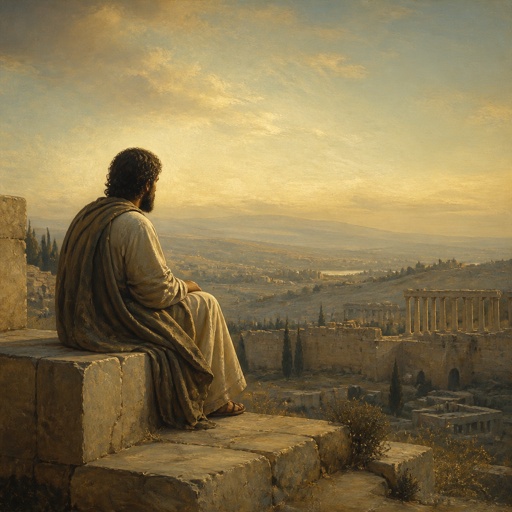
"I have considered the days of old, the years of ancient times." - Psalms 77:5

Psalms 77:7 - "Will the Lord cast off for ever? and will he be favourable no more?"

"Will the Lord cast off for ever? and will he be favourable no more?" - Psalms 77:7

Psalms 77:5 - "I have considered the days of old, the years of ancient times."

Psalms 77:8 - "Is his mercy clean gone for ever? doth his promise fail for evermore?"

Psalms 77:3 - "I remembered God, and was troubled: I complained, and my spirit was overwhelmed. Selah."

Psalms 77:18 - "The voice of thy thunder was in the heaven: the lightnings lightened the world: the earth trembled and shook."

Psalms 77:11 - "I will remember the works of the LORD: surely I will remember thy wonders of old."

Psalms 77:20 - "Thou leddest thy people like a flock by the hand of Moses and Aaron."

Psalms 77:12 - "I will meditate also of all thy work, and talk of thy doings."

"I will meditate also of all thy work, and talk of thy doings." - Psalms 77:12

Psalms 77:15 - "Thou hast with thine arm redeemed thy people, the sons of Jacob and Joseph. Selah."

Psalms 77:13 - "Thy way, O God, is in the sanctuary: who is so great a God as our God?"

Psalms 77:19 - "Thy way is in the sea, and thy path in the great waters, and thy footsteps are not known."
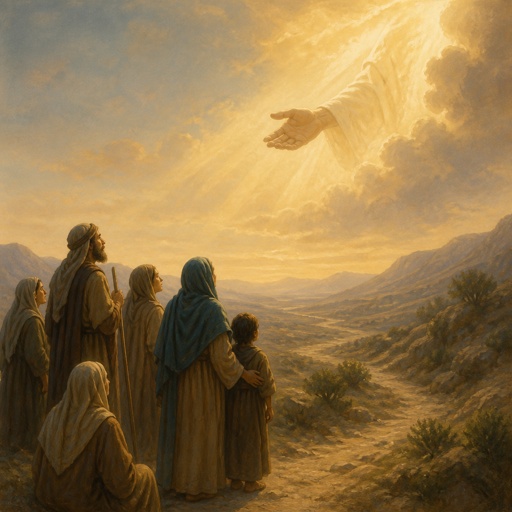
"Thou hast with thine arm redeemed thy people, the sons of Jacob and Joseph. Selah." - Psalms 77:15

Psalms 77:14 - "Thou art the God that doest wonders: thou hast declared thy strength among the people."

"Thy way, O God, is in the sanctuary: who is so great a God as our God?" - Psalms 77:13

Psalms 77:10 - "And I said, This is my infirmity: but I will remember the years of the right hand of the most High."

Psalms 119:77 - "Let thy tender mercies come unto me, that I may live: for thy law is my delight."

Psalms 77:9 - "Hath God forgotten to be gracious? hath he in anger shut up his tender mercies? Selah."

Psalms 77:17 - "The clouds poured out water: the skies sent out a sound: thine arrows also went abroad."

Psalms 77:2 - "In the day of my trouble I sought the Lord: my sore ran in the night, and ceased not: my soul refused to be comforted."
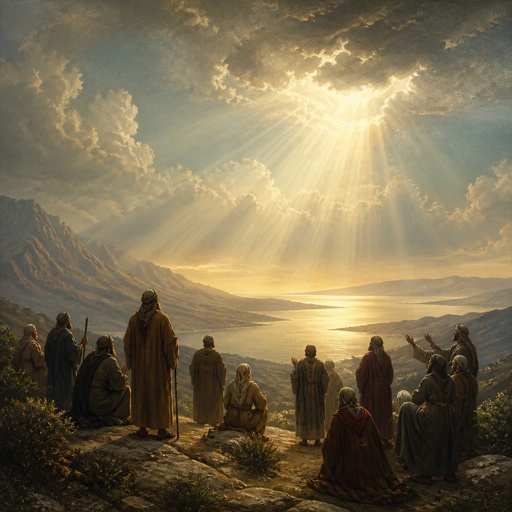
"Thou art the God that doest wonders: thou hast declared thy strength among the people." - Psalms 77:14
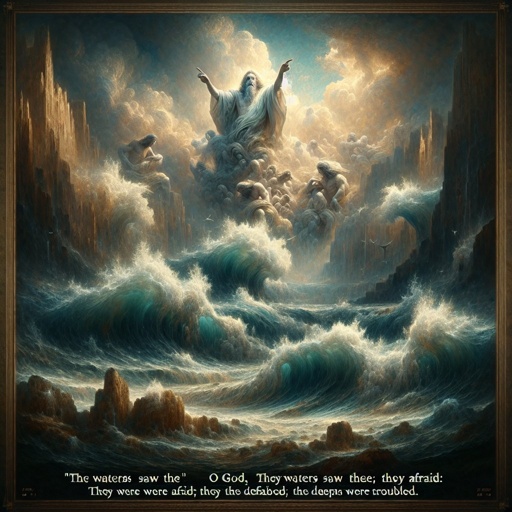
Psalms 77:16 - "The waters saw thee, O God, the waters saw thee; they were afraid: the depths also were troubled."

Psalms 77:6 - "I call to remembrance my song in the night: I commune with mine own heart: and my spirit made diligent search."

"The clouds poured out water: the skies sent out a sound: thine arrows also went abroad." - Psalms 77:17

Psalms 77:1 - "I cried unto God with my voice, even unto God with my voice; and he gave ear unto me."
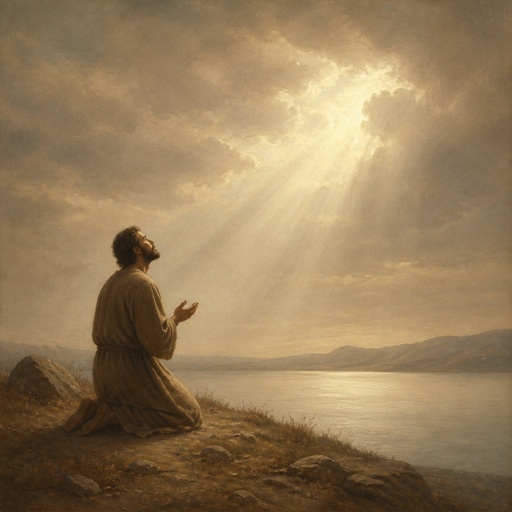
"I cried unto God with my voice, even unto God with my voice; and he gave ear unto me." - Psalms 77:1