What does Psalms 76:6 mean?
"At thy rebuke, O God of Jacob, both the chariot and horse are cast into a dead sleep." - Psalms 76:6
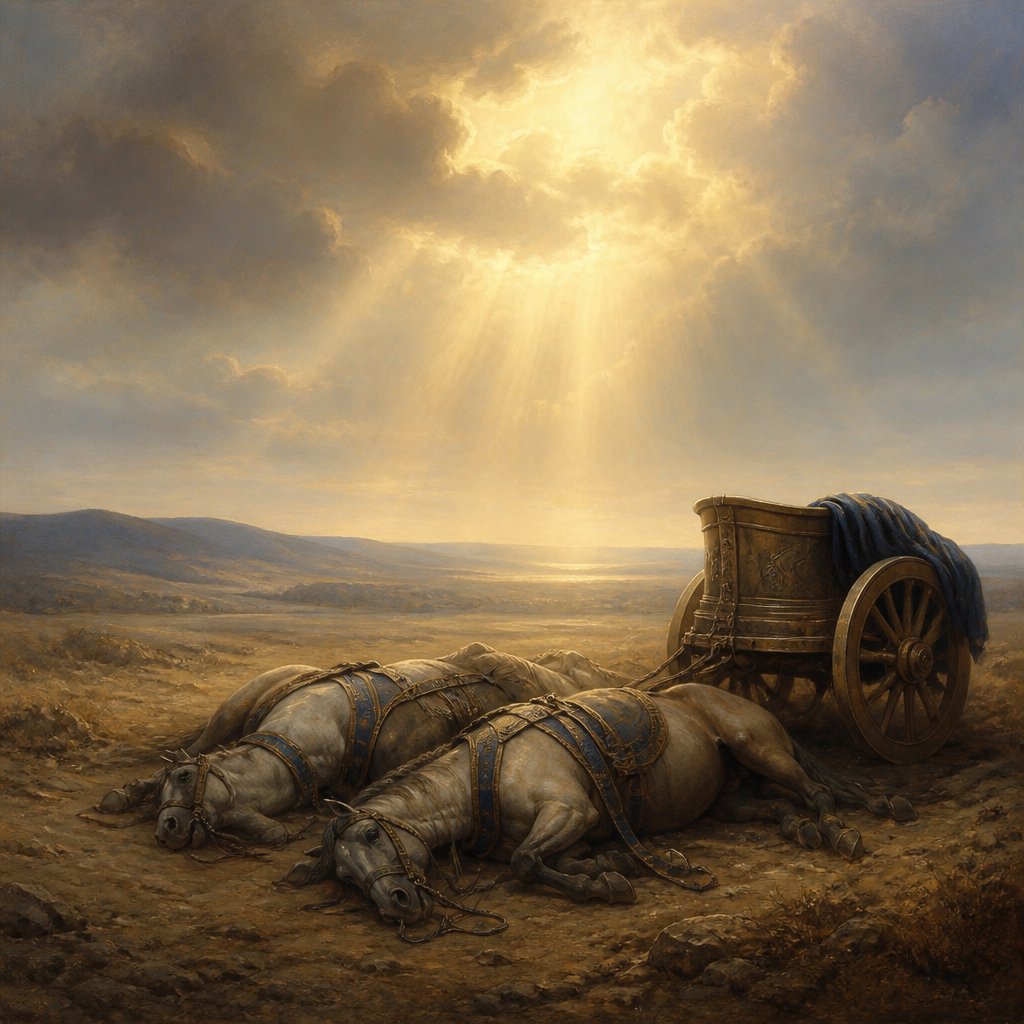
“Psalm 76:6 – At thy rebuke, O God of Jacob, both the chariot and horse are cast into a dead sleep.”
Psalm 76:6 is a verse that is part of the larger poem classified as a “Psalm of Asaph” in the book of Psalms, which is a collection of religious songs and poems that are attributed to different authors who are collectively referred to as poets and musicians. According to the King James Version of the Bible, Psalm 76:6 reads, "At thy rebuke, O God of Jacob, both the chariot and horse are cast into a dead sleep."
The theme of this verse is the power and sovereignty of God, especially in the context of protection and deliverance for God’s chosen people. If we consider the historical context of the Psalm, it is believed to have been written and sung by the people of Israel during the time of King David and King Solomon, thus highlighting the importance of God’s protection for the nation of Israel. The verse is a reflection of the belief in the ancient Hebrew faith that God’s divine intervention can bring about extraordinary and supernatural occurrences, like the incapacitation and defeat of powerful militaries and armies.
The symbolic imagery of chariots and horses being cast into a “dead sleep” presents a strong visual metaphor for an overwhelming and complete defeat of the enemies of God’s people. In the ancient Near Eastern context, chariots and horses were symbolic of military might and power, and thus the imagery in the verse suggests a supernatural and miraculous intervention by God to neutralize such powerful forces. The act of casting these elements into a “dead sleep” signifies a complete and irreversible defeat from which there is no hope of recovery.
The line “O God of Jacob” further emphasizes the personal relationship between God and the nation of Israel, reminding the readers of God’s covenant with their ancestors and His ongoing protection and care for their descendants. The mention of Jacob harkens back to the founding father of Israel, whose struggles and encounters with God are well-documented in the book of Genesis. Therefore, the use of the title “God of Jacob” in this verse invokes a sense of continuity and a reminder of God’s faithfulness and intervention in the history of Israel.
In a broader theological sense, Psalm 76:6 also points to the overarching theme of divine retribution and judgement. The “rebuke” of God implies a righteous response to the wicked actions of the enemies of God’s people. It is a reminder that God stands as the ultimate judge over the affairs of humanity and will not allow the plans of the wicked to prosper indefinitely. This theme of divine justice is a recurring motif in the Psalms and is deeply connected to the concept of God’s righteousness and faithfulness to His covenant promises.
In conclusion, Psalm 76:6 is a powerful reminder of God’s sovereignty, protection, and intervention on behalf of His people, as well as a declaration of His justice and judgement against the enemies of righteousness. It is a verse that inspires faith and confidence in the face of adversity and a reassurance that God’s ultimate victory is assured. The imagery and language in this verse convey a deep sense of awe and reverence for the supernatural power and authority of God, which continues to resonate with believers across generations.
Have questions about Psalms 76:6?
Dive deeper into this scripture with Bible Chat — an AI-powered tool for exploring God's Word through conversation. Ask questions, get context, and grow in your understanding of the Bible.
Get Our Apps


Psalms 76:6 Artwork
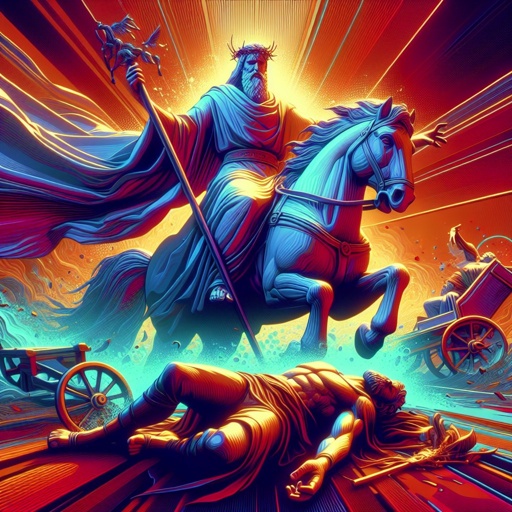
Psalms 76:6 - "At thy rebuke, O God of Jacob, both the chariot and horse are cast into a dead sleep."
"At thy rebuke, O God of Jacob, both the chariot and horse are cast into a dead sleep." - Psalms 76:6

"Thou art more glorious and excellent than the mountains of prey." - Psalms 76:4
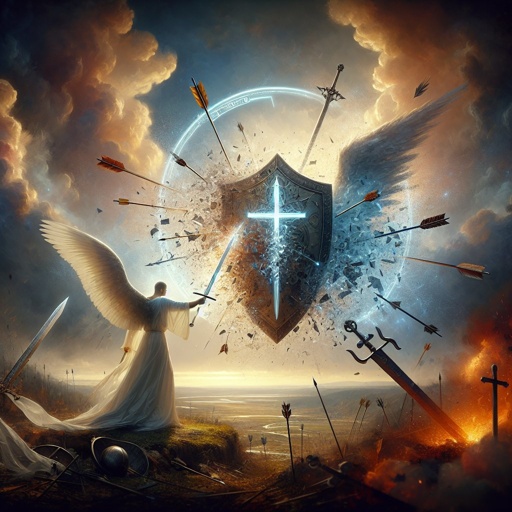
Psalms 76:3 - "There brake he the arrows of the bow, the shield, and the sword, and the battle. Selah."

Psalms 76:1 - "In Judah is God known: his name is great in Israel."

Psalms 76:4 - "Thou art more glorious and excellent than the mountains of prey."

Psalms 76:2 - "In Salem also is his tabernacle, and his dwelling place in Zion."

Psalms 76:12 - "He shall cut off the spirit of princes: he is terrible to the kings of the earth."
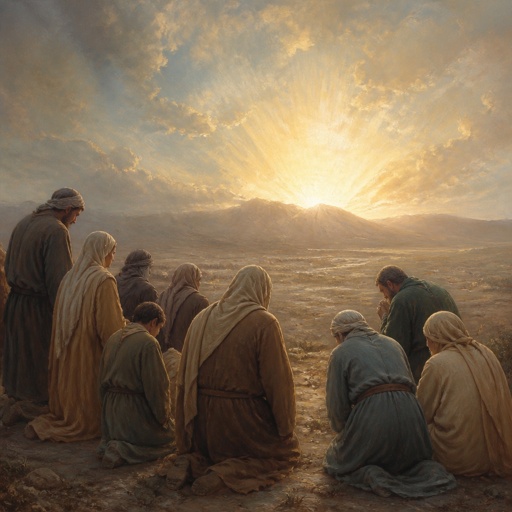
"When God arose to judgment, to save all the meek of the earth. Selah." - Psalms 76:9

Psalms 76:9 - "When God arose to judgment, to save all the meek of the earth. Selah."
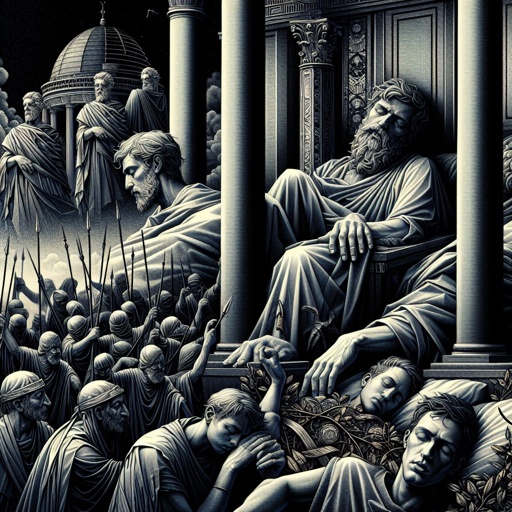
Psalms 76:5 - "The stouthearted are spoiled, they have slept their sleep: and none of the men of might have found their hands."

Psalms 76:8 - "Thou didst cause judgment to be heard from heaven; the earth feared, and was still,"
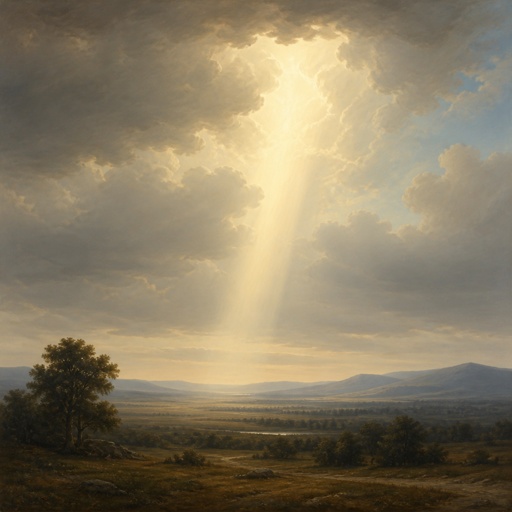
"Thou didst cause judgment to be heard from heaven; the earth feared, and was still," - Psalms 76:8

Psalms 76:10 - "Surely the wrath of man shall praise thee: the remainder of wrath shalt thou restrain."
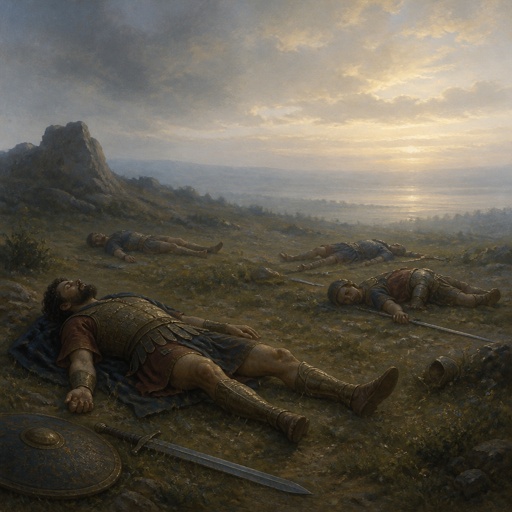
"The stouthearted are spoiled, they have slept their sleep: and none of the men of might have found their hands." - Psalms 76:5

Psalms 119:76 - "Let, I pray thee, thy merciful kindness be for my comfort, according to thy word unto thy servant."

Psalms 76:7 - "Thou, even thou, art to be feared: and who may stand in thy sight when once thou art angry?"
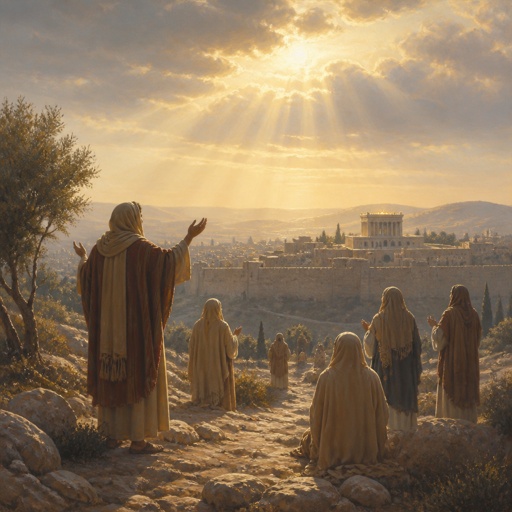
"In Judah is God known: his name is great in Israel." - Psalms 76:1
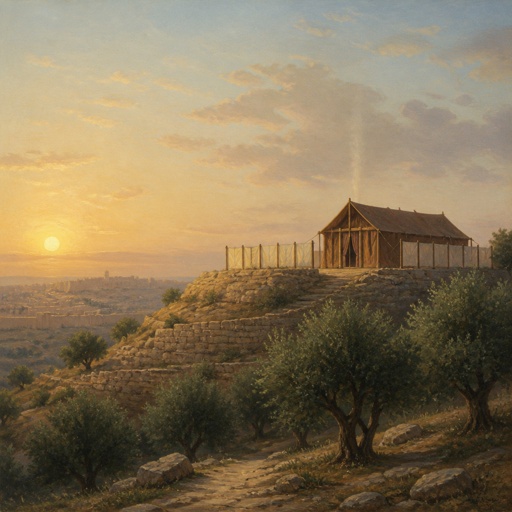
"In Salem also is his tabernacle, and his dwelling place in Zion." - Psalms 76:2
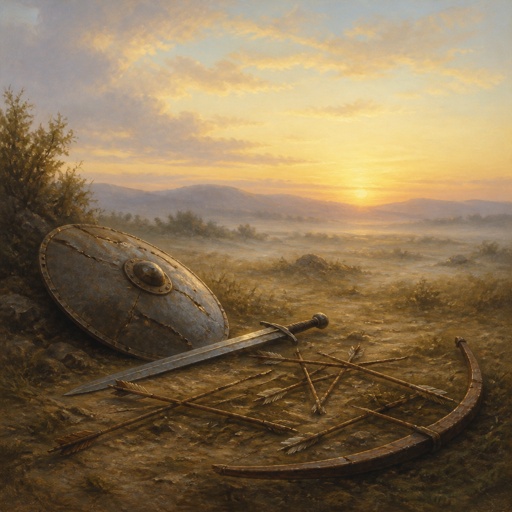
"There brake he the arrows of the bow, the shield, and the sword, and the battle. Selah." - Psalms 76:3
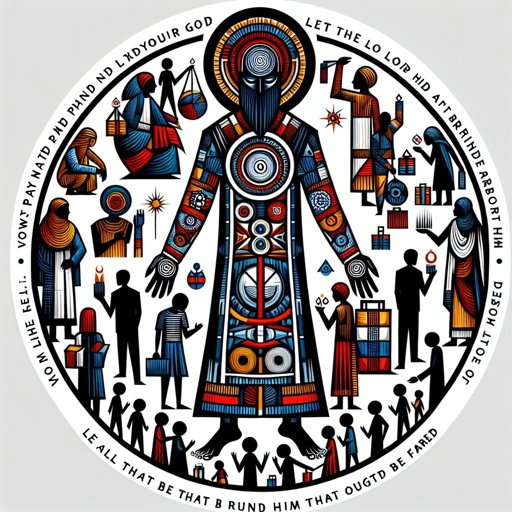
Psalms 76:11 - "Vow, and pay unto the LORD your God: let all that be round about him bring presents unto him that ought to be feared."
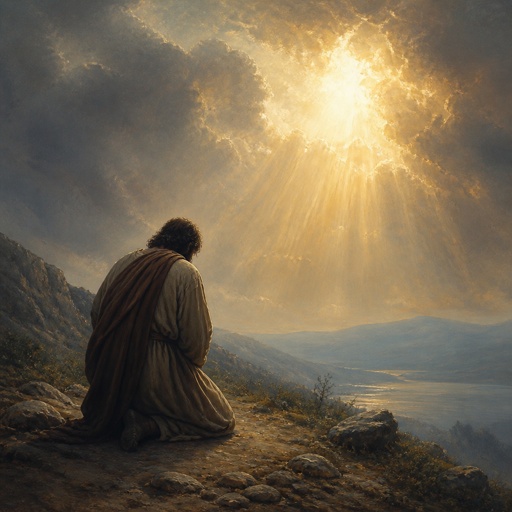
"Thou, even thou, art to be feared: and who may stand in thy sight when once thou art angry?" - Psalms 76:7
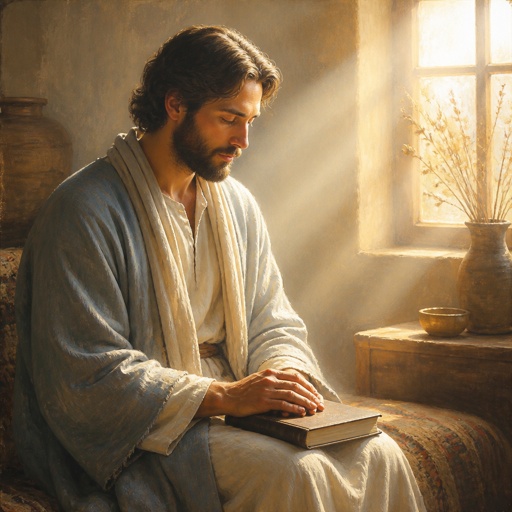
"Let, I pray thee, thy merciful kindness be for my comfort, according to thy word unto thy servant." - Psalms 119:76
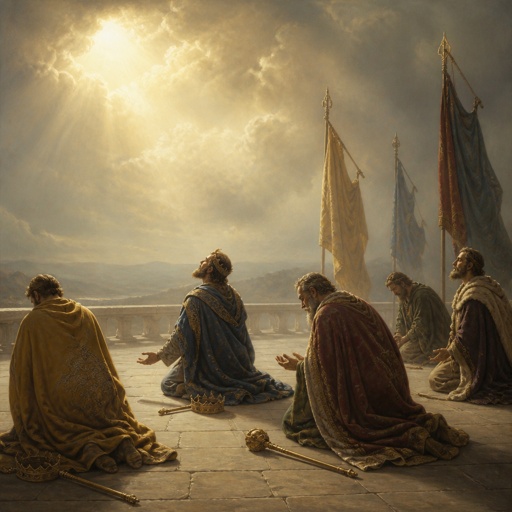
"He shall cut off the spirit of princes: he is terrible to the kings of the earth." - Psalms 76:12
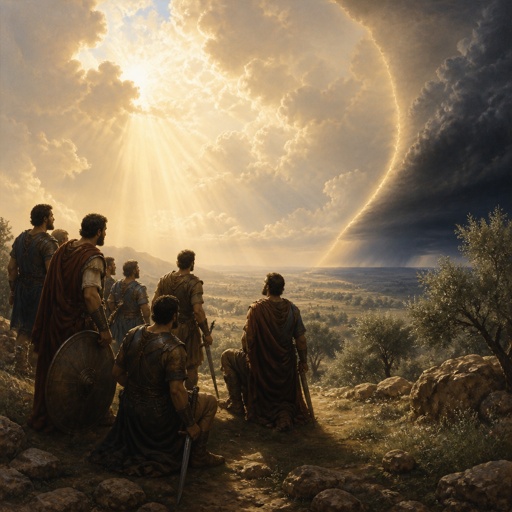
"Surely the wrath of man shall praise thee: the remainder of wrath shalt thou restrain." - Psalms 76:10

Psalms 126:6
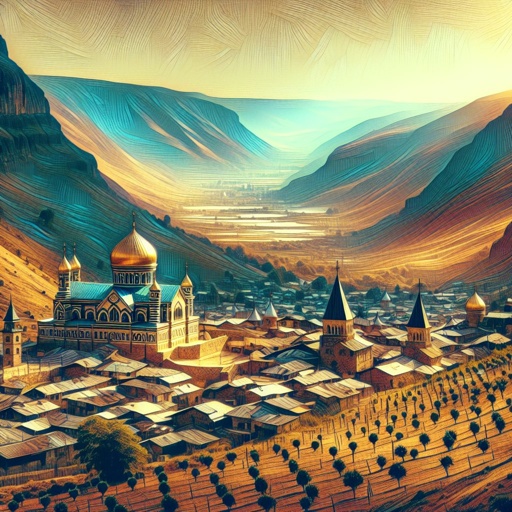
1 Chronicles 6:76 - "And out of the tribe of Naphtali; Kedesh in Galilee with her suburbs, and Hammon with her suburbs, and Kirjathaim with her suburbs."
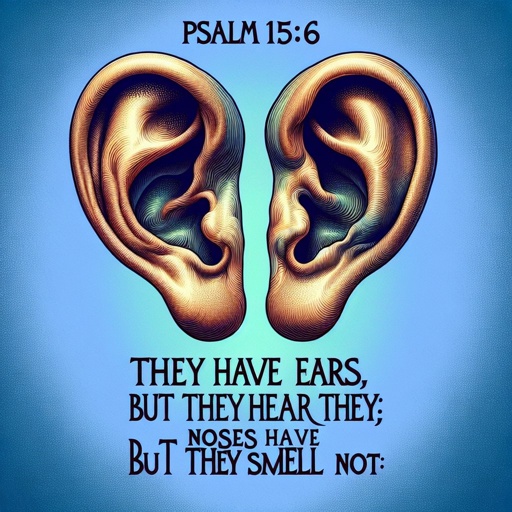
Psalms 115:6 - "They have ears, but they hear not: noses have they, but they smell not:"
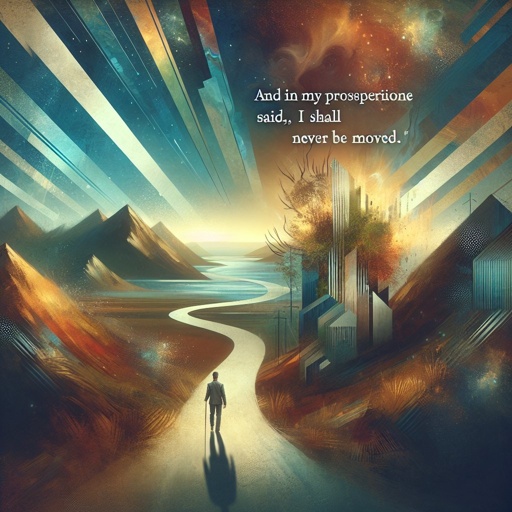
Psalms 30:6 - "And in my prosperity I said, I shall never be moved."

Psalms 129:6 - "Let them be as the grass upon the housetops, which withereth afore it groweth up:"