What does Psalms 75:7 mean?
"But God is the judge: he putteth down one, and setteth up another." - Psalms 75:7
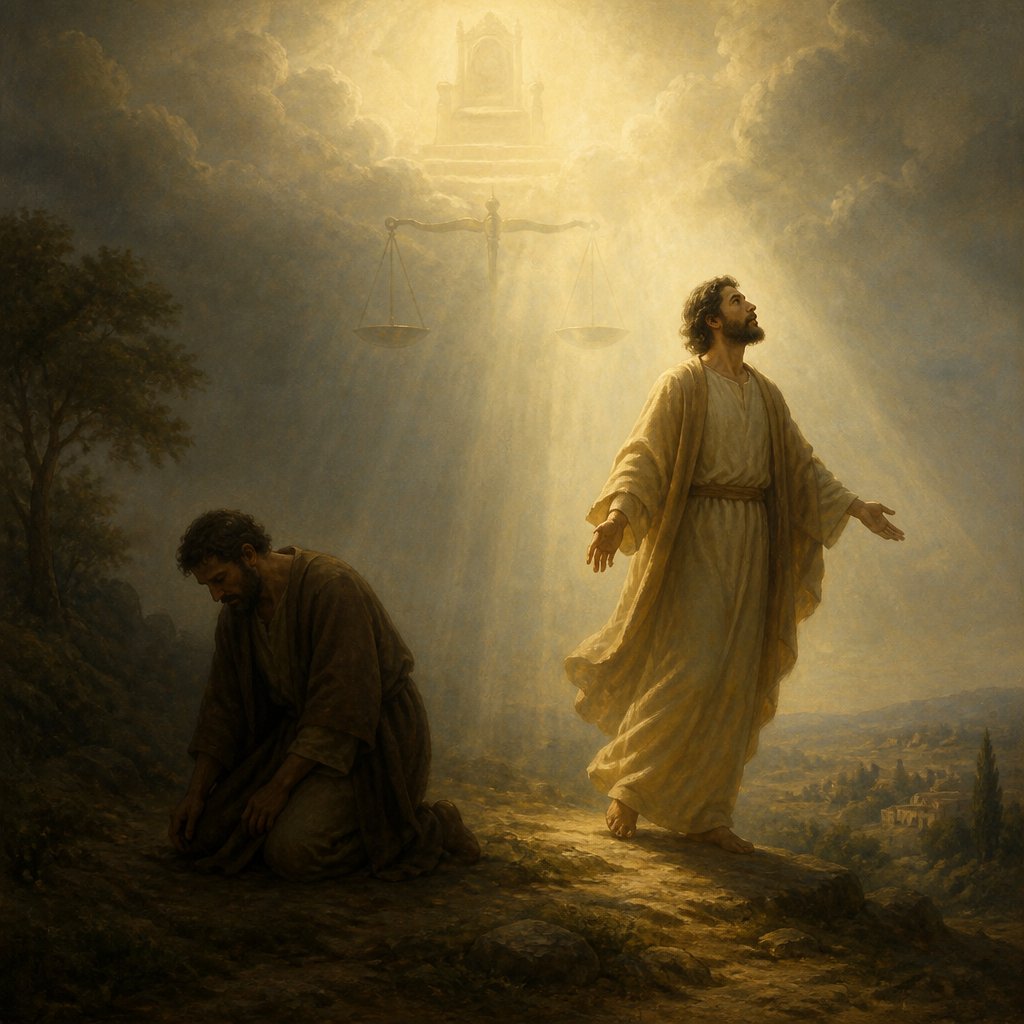
The verse Psalms 75:7 in the King James Version of the Bible states, "But God is the judge: he putteth down one, and setteth up another." This verse is a declaration of the sovereignty of God as the ultimate judge and ruler over all. It serves as a reminder that God is in control of all things, and it is His divine authority that determines the rise and fall of individuals and nations.
The theme of God's sovereignty and justice is central to the message of this verse. Throughout the Bible, God's role as the ultimate judge is consistently emphasized. In Psalm 50:6, it is written, "And the heavens shall declare his righteousness: for God is judge himself." This verse echoes the sentiment that God alone holds the authority to judge with righteousness and fairness. The idea of God as the ultimate judge is also reflected in the New Testament, where in James 4:12 it says, "There is one lawgiver, who is able to save and to destroy: who art thou that judgest another?" This verse reiterates the concept that God alone possesses the ultimate authority to judge and determine the fate of individuals.
The context of Psalm 75 is a song of thanksgiving and praise to God for His righteous judgment. The Psalmist acknowledges God's power and authority, and celebrates His role as the ultimate judge. In verses 3-5, the Psalmist declares, "The earth and all its inhabitants are dissolved; I set up its pillars firmly. I said to the boastful, 'Do not deal boastfully,' And to the wicked, 'Do not lift up the horn. Do not lift up your horn on high; Do not speak with a stiff neck.'" This passage underscores the Psalmist's affirmation of God's control and authority over the earth and its inhabitants, and his warning against pride and wickedness.
The symbolism in this verse lies in the imagery of God as the sovereign judge who "putteth down one, and setteth up another." This language conveys the idea of God's role in the rise and fall of individuals and nations, and His ability to elevate or humble those who oppose Him. This imagery can be seen in various other passages throughout the Bible, such as in Luke 1:52 where it says, "He hath put down the mighty from their seats, and exalted them of low degree." This verse echoes the sentiment expressed in Psalm 75:7, emphasizing God's power to humble the proud and exalt the humble.
The message of Psalm 75:7 is echoed in the New Testament in the teachings of Jesus. In Luke 14:11, Jesus states, "For whosoever exalteth himself shall be abased; and he that humbleth himself shall be exalted." This teaching aligns with the message of Psalm 75:7, emphasizing the principle of God's sovereignty in elevating the humble and humbling the proud.
In conclusion, Psalm 75:7 declares the sovereignty and justice of God as the ultimate judge. The verse conveys the theme of God's control and authority over all things, and His role in the rise and fall of individuals and nations. The context of Psalm 75 emphasizes the Psalmist's praise and thanksgiving for God's righteous judgment, while the symbolism in the verse highlights the imagery of God as the sovereign judge who determines the fate of humanity. Ultimately, Psalm 75:7 serves as a powerful reminder of God's sovereignty and justice, and His ability to exalt the humble and humble the proud.
Have questions about Psalms 75:7?
Dive deeper into this scripture with Bible Chat — an AI-powered tool for exploring God's Word through conversation. Ask questions, get context, and grow in your understanding of the Bible.
Get Our Apps


Psalms 75:7 Artwork

Psalms 75:7 - "But God is the judge: he putteth down one, and setteth up another."
"But God is the judge: he putteth down one, and setteth up another." - Psalms 75:7

Psalms 75:5 - "Lift not up your horn on high: speak not with a stiff neck."

Psalms 75:9 - "But I will declare for ever; I will sing praises to the God of Jacob."

Psalms 75:2 - "When I shall receive the congregation I will judge uprightly."

Psalms 75:4 - "I said unto the fools, Deal not foolishly: and to the wicked, Lift not up the horn:"

"The earth and all the inhabitants thereof are dissolved: I bear up the pillars of it. Selah." - Psalms 75:3

Psalms 75:3 - "The earth and all the inhabitants thereof are dissolved: I bear up the pillars of it. Selah."

Psalms 75:10 - "All the horns of the wicked also will I cut off; but the horns of the righteous shall be exalted."
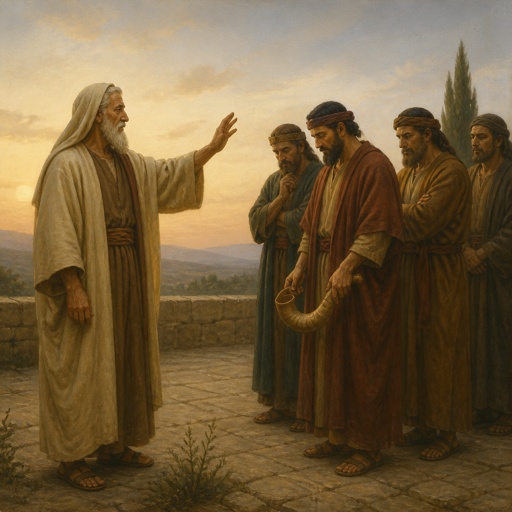
"I said unto the fools, Deal not foolishly: and to the wicked, Lift not up the horn:" - Psalms 75:4

Psalms 75:6 - "For promotion cometh neither from the east, nor from the west, nor from the south."

Psalms 119:75 - "I know, O LORD, that thy judgments are right, and that thou in faithfulness hast afflicted me."
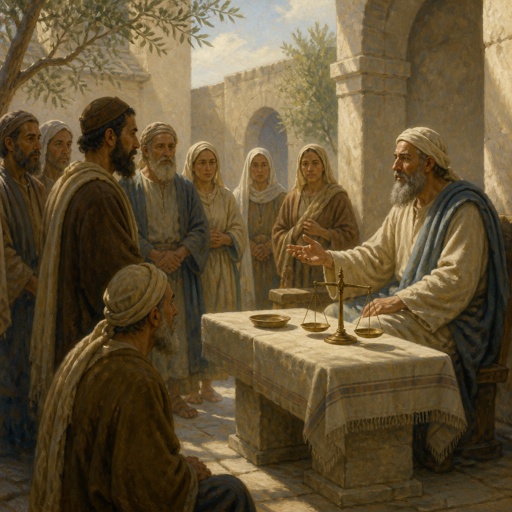
"When I shall receive the congregation I will judge uprightly." - Psalms 75:2
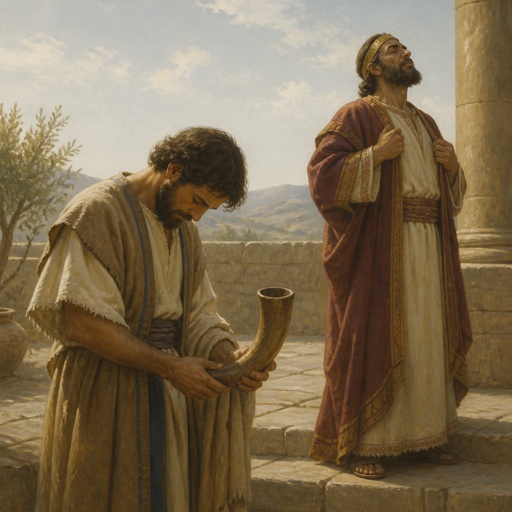
"Lift not up your horn on high: speak not with a stiff neck." - Psalms 75:5
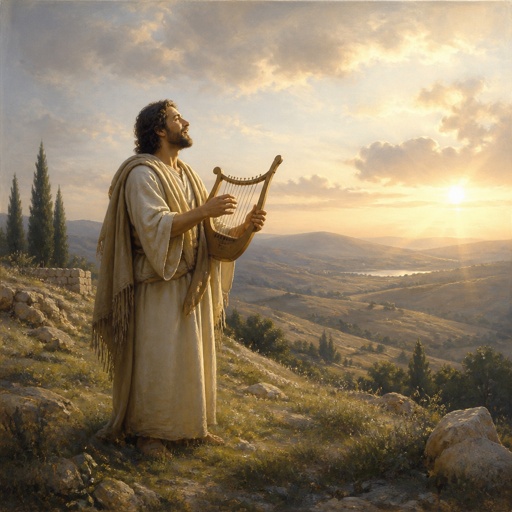
"But I will declare for ever; I will sing praises to the God of Jacob." - Psalms 75:9
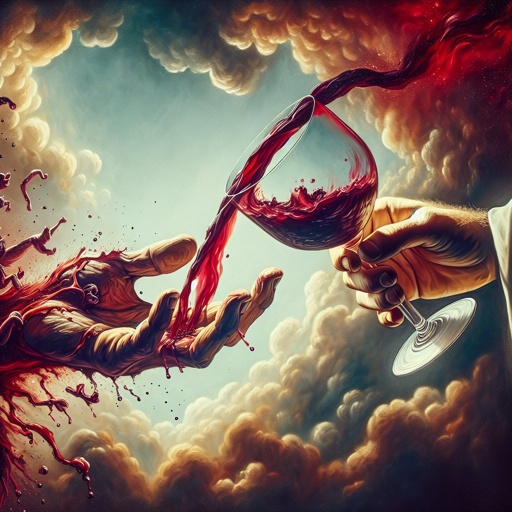
Psalms 75:8 - "For in the hand of the LORD there is a cup, and the wine is red; it is full of mixture; and he poureth out of the same: but the dregs thereof, all the wicked of the earth shall wring them out, and drink them."

Psalms 75:1 - "Unto thee, O God, do we give thanks, unto thee do we give thanks: for that thy name is near thy wondrous works declare."

"All the horns of the wicked also will I cut off; but the horns of the righteous shall be exalted." - Psalms 75:10
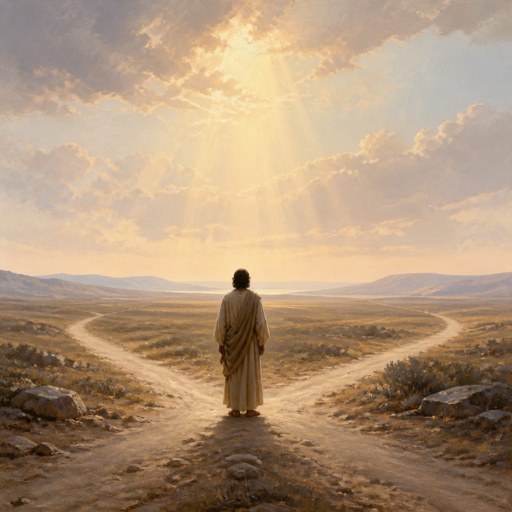
"For promotion cometh neither from the east, nor from the west, nor from the south." - Psalms 75:6

Psalms 20 7

Numbers 7:75 - "One young bullock, one ram, one lamb of the first year, for a burnt offering:"
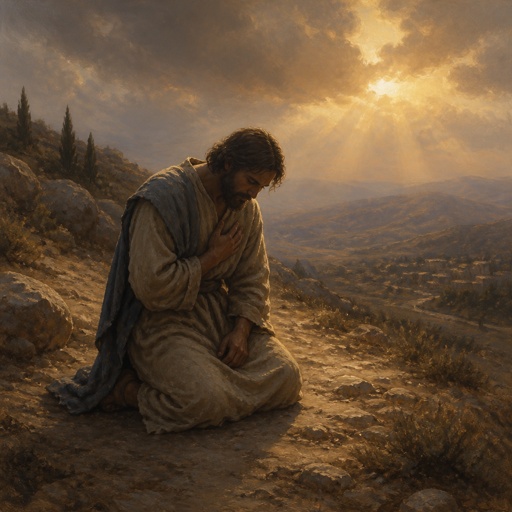
"I know, O LORD, that thy judgments are right, and that thou in faithfulness hast afflicted me." - Psalms 119:75
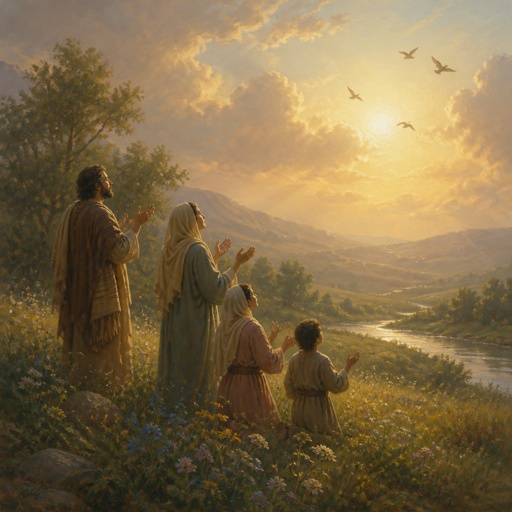
"Unto thee, O God, do we give thanks, unto thee do we give thanks: for that thy name is near thy wondrous works declare." - Psalms 75:1
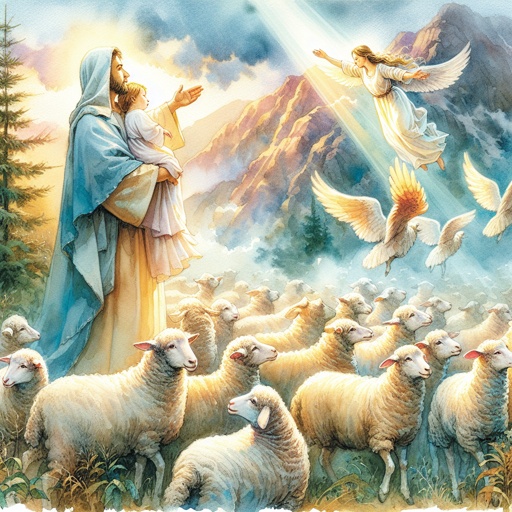
psalm 80:1-7

Psalms 98:7 - "Let the sea roar, and the fulness thereof; the world, and they that dwell therein."

Psalms 12:7 - "Thou shalt keep them, O LORD, thou shalt preserve them from this generation for ever."

"All sheep and oxen, yea, and the beasts of the field;" - Psalms 8:7
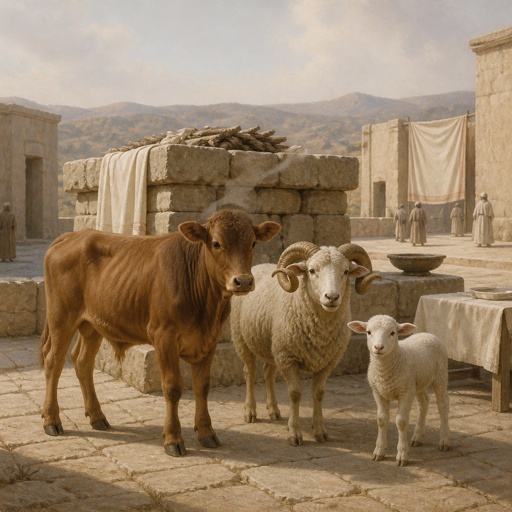
"One young bullock, one ram, one lamb of the first year, for a burnt offering:" - Numbers 7:75

"Gebal, and Ammon, and Amalek; the Philistines with the inhabitants of Tyre;" - Psalms 83:7

"So shall the congregation of the people compass thee about: for their sakes therefore return thou on high." - Psalms 7:7