What does Psalms 75:3 mean?
"The earth and all the inhabitants thereof are dissolved: I bear up the pillars of it. Selah." - Psalms 75:3

Psalm 75:3 in the King James Version of the Bible reads, "The earth and all the inhabitants thereof are dissolved: I bear up the pillars of it. Selah." This verse is part of a larger Psalm that focuses on praising and giving thanks to God for His sovereignty and righteous judgment. The verse in question in particular speaks to the power and authority of God in upholding and sustaining the world.
In order to fully understand the meaning and significance of Psalm 75:3, it is important to consider the context of the entire Psalm. The Psalm begins with an acknowledgement of God's presence and goodness, proclaiming, "Unto thee, O God, do we give thanks, unto thee do we give thanks: for that thy name is near thy wondrous works declare" (verse 1). The Psalmist reiterates the theme of giving thanks and praise to God throughout the entire chapter, emphasizing the importance of acknowledging His sovereignty and righteous judgment.
As we come to verse 3, the language becomes more metaphorical. The phrase "The earth and all the inhabitants thereof are dissolved" is a poetic way of describing the instability and chaos that can occur in the world. This may refer to both physical and moral dissolution, as well as a sense of upheaval and disorder. It paints a picture of a world in turmoil, where things are falling apart and people are uncertain.
Following this description of chaos, the Psalmist then declares, "I bear up the pillars of it." This is a powerful statement of God's sovereignty and control over the world. The image of "bearing up the pillars" suggests that God is the one who sustains and maintains the world, even in times of trouble and uncertainty. This imagery is reminiscent of the concept of God as the Creator and Sustainer of all things, as well as the one who upholds the world by His power and authority.
The word "Selah" at the end of the verse is a musical notation used in the Psalms to indicate a pause or a moment of reflection. It serves as a reminder for the reader to stop and consider the meaning of what has just been said. In the case of Psalm 75:3, the inclusion of "Selah" prompts the reader to pause and meditate on the power and authority of God in the face of chaos and instability.
From a broader theological perspective, Psalm 75:3 speaks to the themes of God's sovereignty, providence, and the assurance of His control over the world. It conveys a sense of trust and confidence in God's ability to uphold and sustain His creation, even in the midst of turmoil and uncertainty. This verse serves as a reminder of God's ultimate power and authority, as well as His faithfulness to His people.
In terms of symbolism, the imagery of "bearing up the pillars" can be seen as a metaphor for God's role as the foundational support of the world. This image evokes a sense of strength, stability, and assurance, highlighting God's ability to hold everything together and prevent it from collapsing. It also conveys a sense of care and protection, as God is depicted as actively maintaining and supporting His creation.
In conclusion, Psalm 75:3 is a powerful and evocative verse that communicates the themes of God's sovereignty, providence, and the assurance of His control over the world. It emphasizes the trustworthiness of God in the face of chaos and instability, and serves as a reminder of His ultimate power and authority. Through its vivid imagery and profound theological significance, this verse challenges the reader to pause and consider the implications of God's role as the sustainer and upholder of the world.
Have questions about Psalms 75:3?
Dive deeper into this scripture with Bible Chat — an AI-powered tool for exploring God's Word through conversation. Ask questions, get context, and grow in your understanding of the Bible.
Get Our Apps


Psalms 75:3 Artwork

Psalms 75:3 - "The earth and all the inhabitants thereof are dissolved: I bear up the pillars of it. Selah."

"The earth and all the inhabitants thereof are dissolved: I bear up the pillars of it. Selah." - Psalms 75:3

Psalms 75:5 - "Lift not up your horn on high: speak not with a stiff neck."

Psalms 75:9 - "But I will declare for ever; I will sing praises to the God of Jacob."

Psalms 75:2 - "When I shall receive the congregation I will judge uprightly."

Psalms 75:7 - "But God is the judge: he putteth down one, and setteth up another."

Psalms 75:4 - "I said unto the fools, Deal not foolishly: and to the wicked, Lift not up the horn:"

Psalms 75:10 - "All the horns of the wicked also will I cut off; but the horns of the righteous shall be exalted."
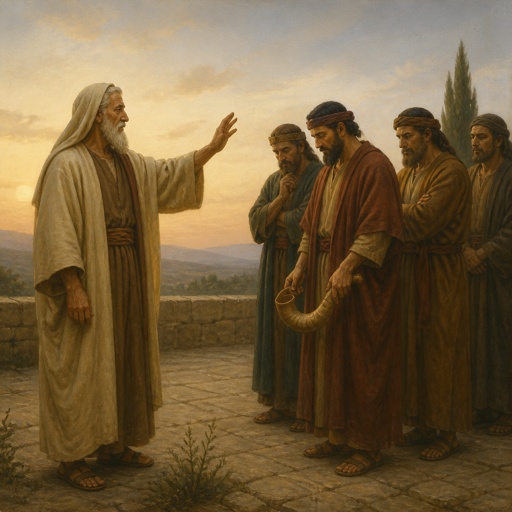
"I said unto the fools, Deal not foolishly: and to the wicked, Lift not up the horn:" - Psalms 75:4

Psalms 75:6 - "For promotion cometh neither from the east, nor from the west, nor from the south."

Psalms 119:75 - "I know, O LORD, that thy judgments are right, and that thou in faithfulness hast afflicted me."
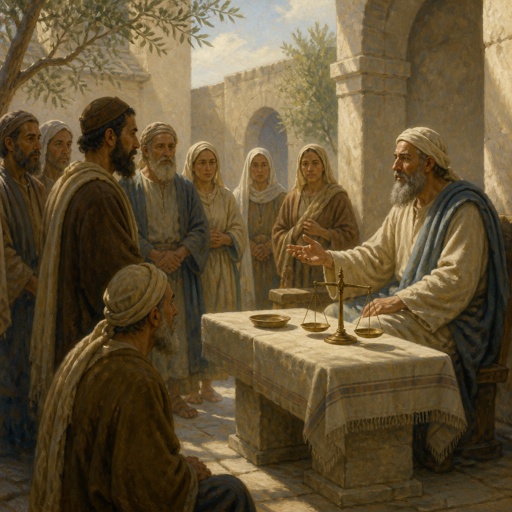
"When I shall receive the congregation I will judge uprightly." - Psalms 75:2
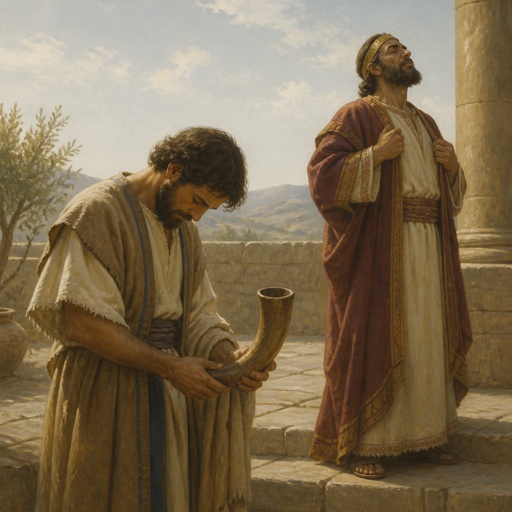
"Lift not up your horn on high: speak not with a stiff neck." - Psalms 75:5

"But I will declare for ever; I will sing praises to the God of Jacob." - Psalms 75:9

"But God is the judge: he putteth down one, and setteth up another." - Psalms 75:7

Psalms 75:8 - "For in the hand of the LORD there is a cup, and the wine is red; it is full of mixture; and he poureth out of the same: but the dregs thereof, all the wicked of the earth shall wring them out, and drink them."

Psalms 75:1 - "Unto thee, O God, do we give thanks, unto thee do we give thanks: for that thy name is near thy wondrous works declare."

"All the horns of the wicked also will I cut off; but the horns of the righteous shall be exalted." - Psalms 75:10

"For promotion cometh neither from the east, nor from the west, nor from the south." - Psalms 75:6

"I know, O LORD, that thy judgments are right, and that thou in faithfulness hast afflicted me." - Psalms 119:75

"Unto thee, O God, do we give thanks, unto thee do we give thanks: for that thy name is near thy wondrous works declare." - Psalms 75:1
Psalms 111:3 - "His work is honourable and glorious: and his righteousness endureth for ever."

Psalms 88:3 - "For my soul is full of troubles: and my life draweth nigh unto the grave."

Psalms 103:3 - "Who forgiveth all thine iniquities; who healeth all thy diseases;"

Psalms 87:3 - "Glorious things are spoken of thee, O city of God. Selah."

Psalms 67:3 - "Let the people praise thee, O God; let all the people praise thee."

Psalms 116:3 - "The sorrows of death compassed me, and the pains of hell gat hold upon me: I found trouble and sorrow."

"The sea saw it, and fled: Jordan was driven back." - Psalms 114:3

Psalms 138:3 - "In the day when I cried thou answeredst me, and strengthenedst me with strength in my soul."

"There is no speech nor language, where their voice is not heard." - Psalms 19:3