What does Psalms 74:3 mean?
"Lift up thy feet unto the perpetual desolations; even all that the enemy hath done wickedly in the sanctuary." - Psalms 74:3
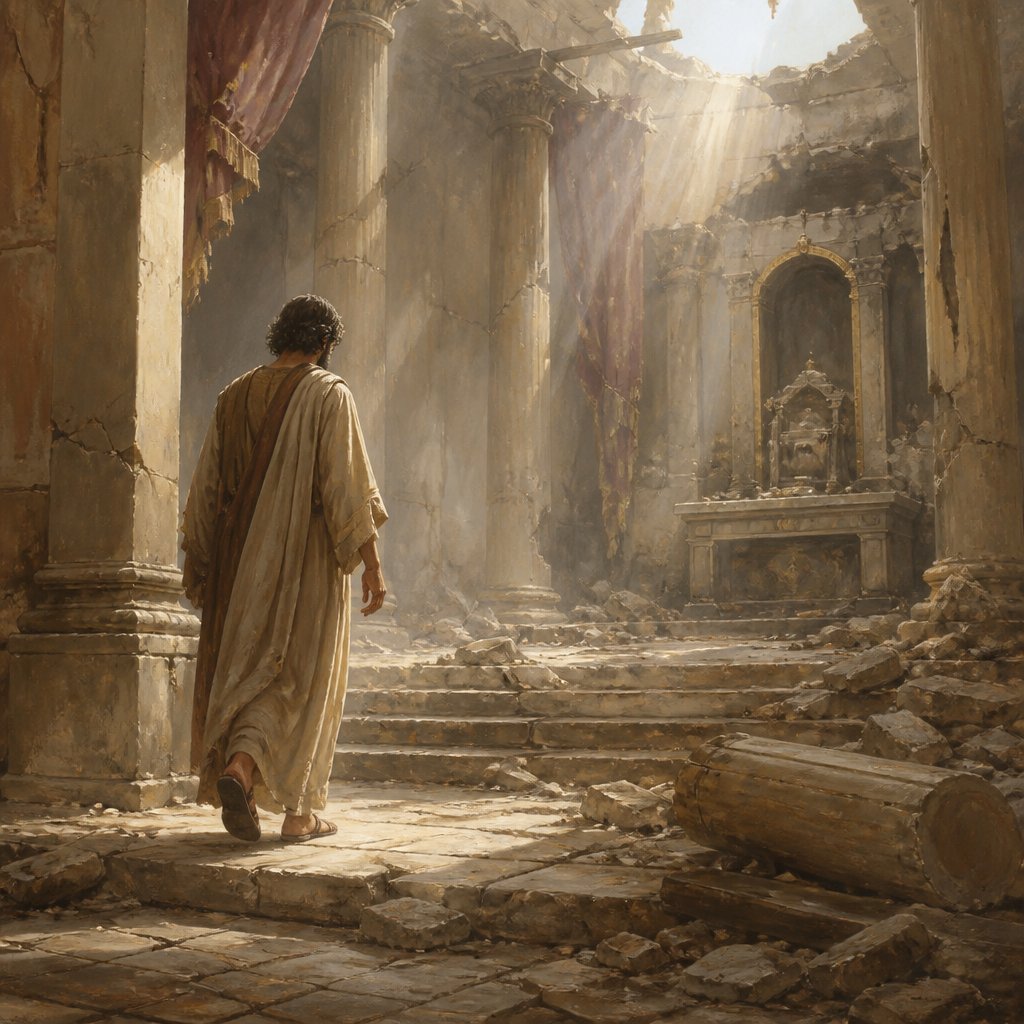
Psalms 74:3 in the King James Version of the Bible states, "Lift up thy feet unto the perpetual desolations; even all that the enemy hath done wickedly in the sanctuary." At first glance, this verse may appear to be referencing a literal command to "lift up thy feet," but when delving deeper into the context and symbolism of this verse, a more profound and symbolic meaning emerges.
The book of Psalms is a collection of poetic songs and prayers that express a wide range of human emotions, from sorrow and fear to joy and praise. Written by various authors, including King David and the sons of Korah, the Psalms are a reflection of the human experience and our relationship with the divine. Psalms 74 is a lament over the destruction of the temple in Jerusalem and serves as a plea for God to restore His sanctuary and rescue His people from their enemies.
In verse 3, the imagery of "lifting up thy feet unto the perpetual desolations" carries a sense of urgency and desperation. It conveys the idea of stepping over the ruins and desolation that have been left behind by the enemy. This can be interpreted not only as a physical act but also as a metaphor for breaking free from the despair and devastation caused by the wicked actions of the enemy.
The mention of the sanctuary in this verse is particularly significant. The sanctuary was the holiest place in ancient Israel, representing the presence of God among His people. The desecration of the sanctuary by the enemy would have been a profound and devastating event for the Israelites, symbolizing the loss of their spiritual connection with God.
The language used in this verse is highly symbolic, and it conveys the depth of emotion and spiritual turmoil experienced by the psalmist and the Israelite community. The desolation and wickedness wrought by the enemy have caused a deep sense of grief and despair, prompting the psalmist to cry out for God's intervention and restoration.
One key theme that emerges from this verse is the enduring faith and hope in the face of adversity. Despite the destruction and desolation, the psalmist continues to turn to God, expressing belief in His power to deliver and restore His people. This theme is echoed throughout the book of Psalms, where the authors consistently affirm their trust in God's faithfulness and mercy, even in the midst of trials and tribulations.
Additionally, the verse also highlights the ongoing struggle between good and evil. The enemy's wicked actions have brought ruin and devastation, but the psalmist's plea for deliverance reflects a belief in the ultimate triumph of righteousness over evil. It serves as a reminder that, despite the present suffering, God's justice and sovereignty will ultimately prevail.
In conclusion, Psalms 74:3 serves as a poignant expression of the human experience of suffering and faith. The verse utilizes vivid imagery and symbolism to convey the deep anguish and longing for restoration felt by the psalmist and the Israelite community. It also emphasizes the themes of enduring faith, hope in the face of adversity, and the ultimate victory of righteousness. Through its evocative language and profound spiritual insight, Psalms 74:3 continues to resonate with readers today, offering solace and inspiration in times of trial and adversity.
Have questions about Psalms 74:3?
Dive deeper into this scripture with Bible Chat — an AI-powered tool for exploring God's Word through conversation. Ask questions, get context, and grow in your understanding of the Bible.
Get Our Apps


Psalms 74:3 Artwork
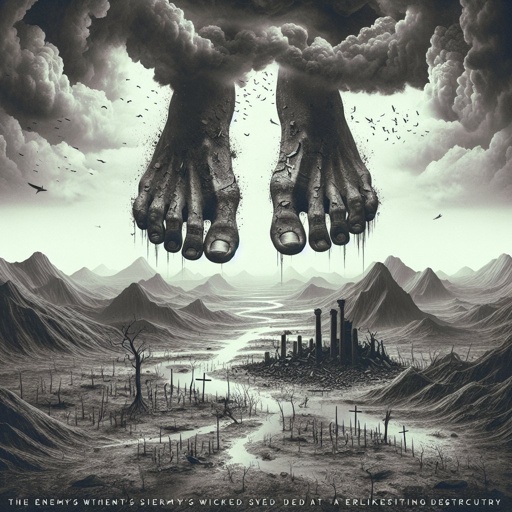
Psalms 74:3 - "Lift up thy feet unto the perpetual desolations; even all that the enemy hath done wickedly in the sanctuary."
"Lift up thy feet unto the perpetual desolations; even all that the enemy hath done wickedly in the sanctuary." - Psalms 74:3

Psalms 74:6 - "But now they break down the carved work thereof at once with axes and hammers."

Psalms 74:12 - "For God is my King of old, working salvation in the midst of the earth."

Psalms 74:4 - "Thine enemies roar in the midst of thy congregations; they set up their ensigns for signs."

"For God is my King of old, working salvation in the midst of the earth." - Psalms 74:12

Psalms 74:21 - "O let not the oppressed return ashamed: let the poor and needy praise thy name."

Psalms 74:13 - "Thou didst divide the sea by thy strength: thou brakest the heads of the dragons in the waters."

Psalms 119:74 - "They that fear thee will be glad when they see me; because I have hoped in thy word."

Psalms 74:18 - "Remember this, that the enemy hath reproached, O LORD, and that the foolish people have blasphemed thy name."

Psalms 74:23 - "Forget not the voice of thine enemies: the tumult of those that rise up against thee increaseth continually."
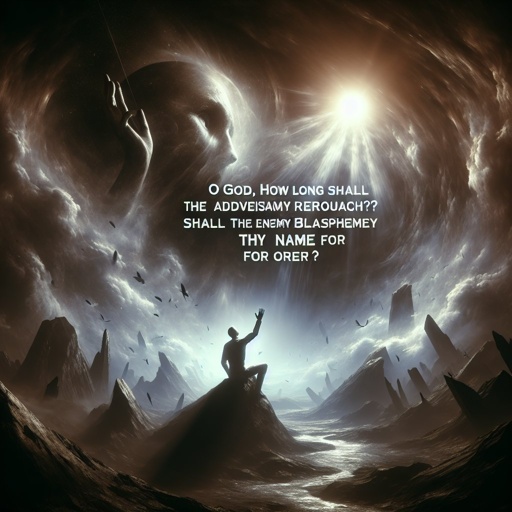
Psalms 74:10 - "O God, how long shall the adversary reproach? shall the enemy blaspheme thy name for ever?"
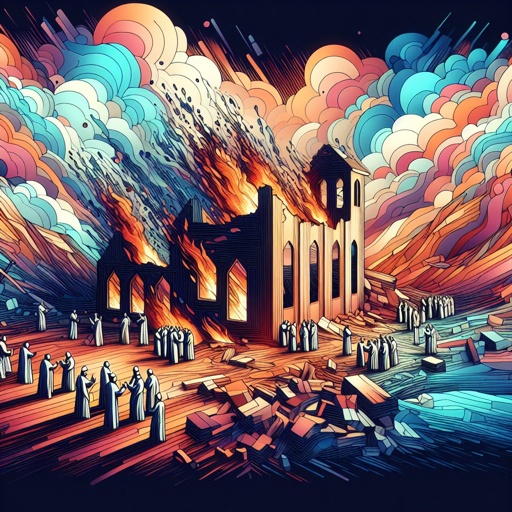
Psalms 74:8 - "They said in their hearts, Let us destroy them together: they have burned up all the synagogues of God in the land."

Psalms 74:15 - "Thou didst cleave the fountain and the flood: thou driedst up mighty rivers."

Psalms 74:20 - "Have respect unto the covenant: for the dark places of the earth are full of the habitations of cruelty."

Psalms 74:16 - "The day is thine, the night also is thine: thou hast prepared the light and the sun."
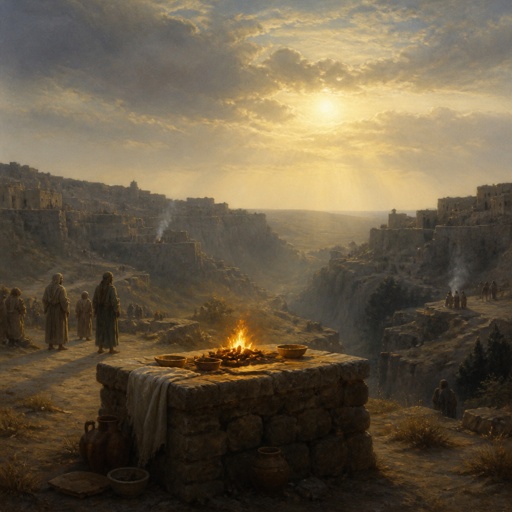
"Have respect unto the covenant: for the dark places of the earth are full of the habitations of cruelty." - Psalms 74:20

"The day is thine, the night also is thine: thou hast prepared the light and the sun." - Psalms 74:16

Psalms 74:14 - "Thou brakest the heads of leviathan in pieces, and gavest him to be meat to the people inhabiting the wilderness."

Psalms 74:17 - "Thou hast set all the borders of the earth: thou hast made summer and winter."

Psalms 74:5 - "A man was famous according as he had lifted up axes upon the thick trees."

Psalms 74:11 - "Why withdrawest thou thy hand, even thy right hand? pluck it out of thy bosom."
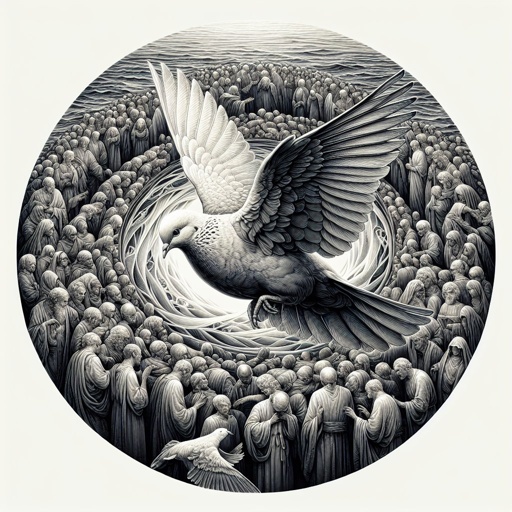
Psalms 74:19 - "O deliver not the soul of thy turtledove unto the multitude of the wicked: forget not the congregation of thy poor for ever."

Psalms 74:1 - "O God, why hast thou cast us off for ever? why doth thine anger smoke against the sheep of thy pasture?"

Psalms 74:22 - "Arise, O God, plead thine own cause: remember how the foolish man reproacheth thee daily."

Psalms 74:9 - "We see not our signs: there is no more any prophet: neither is there among us any that knoweth how long."

Psalms 74:7 - "They have cast fire into thy sanctuary, they have defiled by casting down the dwelling place of thy name to the ground."
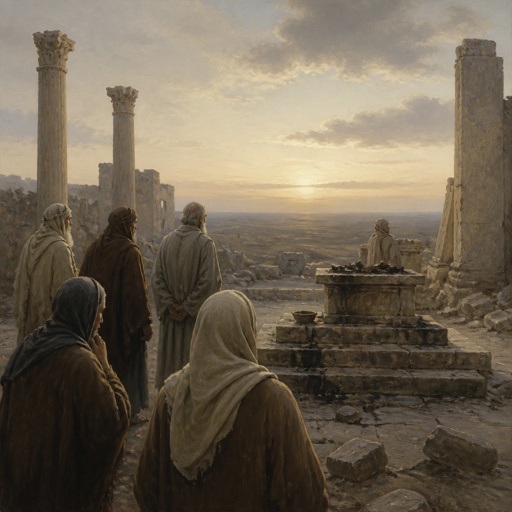
"We see not our signs: there is no more any prophet: neither is there among us any that knoweth how long." - Psalms 74:9
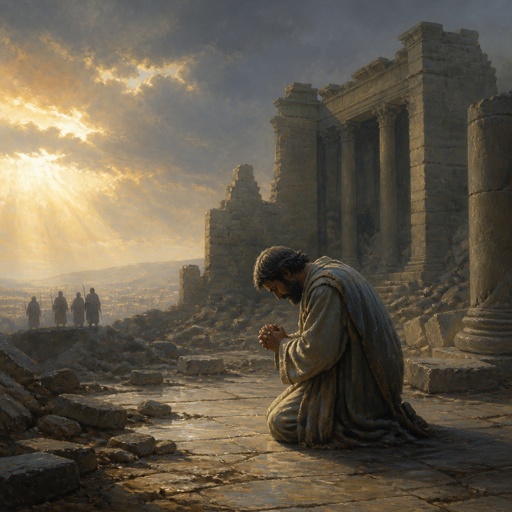
"O God, how long shall the adversary reproach? shall the enemy blaspheme thy name for ever?" - Psalms 74:10

Psalms 74:2 - "Remember thy congregation, which thou hast purchased of old; the rod of thine inheritance, which thou hast redeemed; this mount Zion, wherein thou hast dwelt."