What does Psalms 74:13 mean?
"Thou didst divide the sea by thy strength: thou brakest the heads of the dragons in the waters." - Psalms 74:13

Psalm 74:13 (KJV) says, "Thou didst divide the sea by thy strength: thou brakest the heads of the dragons in the waters."
This verse from the Book of Psalms represents a powerful and awe-inspiring portrayal of God's strength and might. In this verse, the psalmist reflects on the great acts of God, specifically the parting of the Red Sea and the defeat of the Egyptian army. By using the metaphor of "dragons in the waters," the psalmist emphasizes the overwhelming power of God over even the most fearsome and formidable forces.
The theme of this verse revolves around the sovereignty and power of God. The opening phrase, "Thou didst divide the sea by thy strength," recalls the miraculous event of the crossing of the Red Sea by the Israelites, as described in the Book of Exodus. It serves as a reminder of God's ability to perform extraordinary feats and to intervene in the affairs of His people. This theme of God's strength and intervention is a recurring one throughout the Book of Psalms, as the psalmists often turn to God in times of trouble and look to Him as their source of deliverance and salvation.
The second half of the verse, "thou brakest the heads of the dragons in the waters," employs vivid imagery to convey the idea of God's defeat of powerful enemies. The mention of "dragons" here can be understood as a symbol of chaos, evil, and opposition to God. In ancient Near Eastern mythology, dragons were often used as symbols of chaos and destruction, and were seen as powerful adversaries to be conquered. In this context, the psalmist is drawing on these cultural associations to depict God as the ultimate conqueror of all the forces that oppose His will.
The choice of the sea as a setting for God's miraculous deeds further emphasizes the theme of God's power and control over the natural world. In ancient Near Eastern cosmology, the sea was often seen as a symbol of chaos and disorder, and the ability to control the sea was a sign of divine authority. Thus, the imagery of God dividing the sea by His strength is a testimony to His absolute sovereignty over creation.
In a broader theological context, this verse serves to affirm the Israelites' belief in the omnipotence of God. By recounting the historic event of the parting of the Red Sea, the psalmist reinforces the idea that God is not only present in the lives of His people, but also actively involved in shaping their destiny. This belief in God's immanence and His intervention in human affairs is a central tenet of Israelite faith, and is expressed throughout the Old Testament, including the Psalms.
The imagery used in this verse also has eschatological significance. In Christian theology, the defeat of the "dragons in the waters" can be seen as a foreshadowing of the ultimate victory of God over the forces of evil and chaos. This victory is ultimately fulfilled in the person of Jesus Christ, who, according to Christian belief, conquered sin and death through His crucifixion and resurrection. Thus, this verse can be interpreted as a prophetic anticipation of the final defeat of all forms of evil and the establishment of God's reign over the earth.
In summary, Psalm 74:13 is a powerful declaration of God's strength and sovereignty. Through vivid imagery and poetic language, the psalmist extols God as the one who wields power over the forces of nature and triumphs over the enemies of His people. This verse encapsulates the Israelites' profound faith in God's ability to deliver them from adversity and serves as a timeless testament to His enduring power and authority.
Have questions about Psalms 74:13?
Dive deeper into this scripture with Bible Chat — an AI-powered tool for exploring God's Word through conversation. Ask questions, get context, and grow in your understanding of the Bible.
Get Our Apps


Psalms 74:13 Artwork

Psalms 74:13 - "Thou didst divide the sea by thy strength: thou brakest the heads of the dragons in the waters."
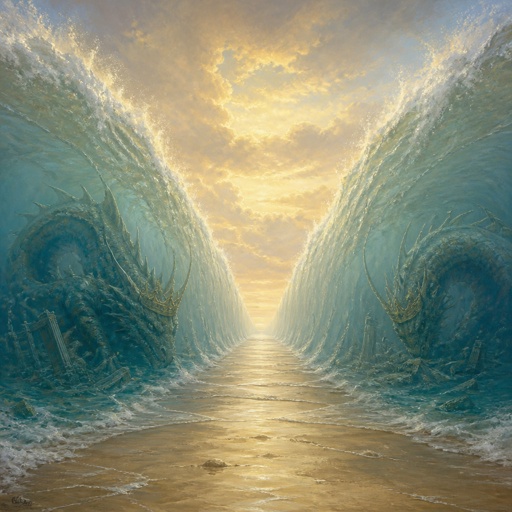
"Thou didst divide the sea by thy strength: thou brakest the heads of the dragons in the waters." - Psalms 74:13

Psalms 74:6 - "But now they break down the carved work thereof at once with axes and hammers."

Psalms 74:12 - "For God is my King of old, working salvation in the midst of the earth."

Psalms 74:4 - "Thine enemies roar in the midst of thy congregations; they set up their ensigns for signs."
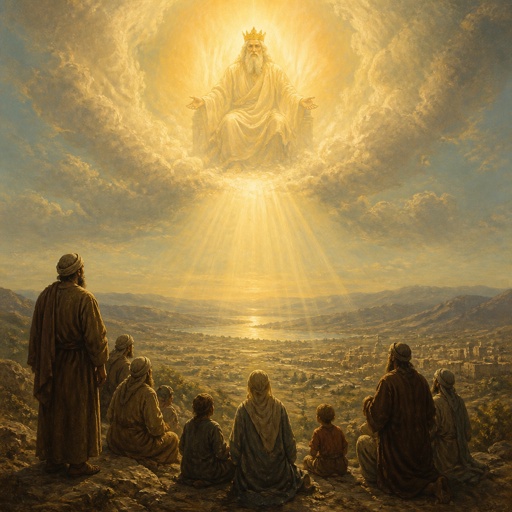
"For God is my King of old, working salvation in the midst of the earth." - Psalms 74:12

Psalms 74:21 - "O let not the oppressed return ashamed: let the poor and needy praise thy name."

Psalms 119:74 - "They that fear thee will be glad when they see me; because I have hoped in thy word."

Psalms 74:18 - "Remember this, that the enemy hath reproached, O LORD, and that the foolish people have blasphemed thy name."

Psalms 74:23 - "Forget not the voice of thine enemies: the tumult of those that rise up against thee increaseth continually."
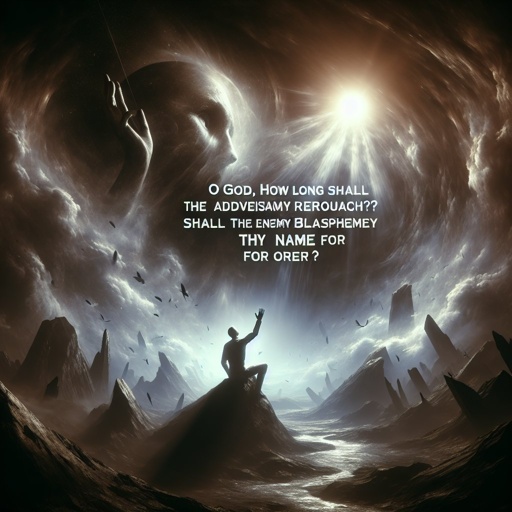
Psalms 74:10 - "O God, how long shall the adversary reproach? shall the enemy blaspheme thy name for ever?"
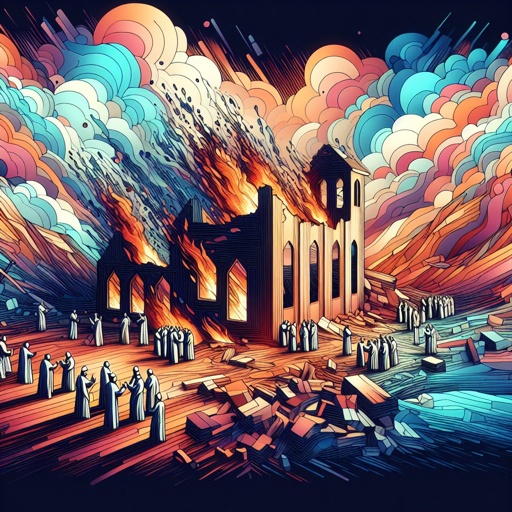
Psalms 74:8 - "They said in their hearts, Let us destroy them together: they have burned up all the synagogues of God in the land."

Psalms 74:15 - "Thou didst cleave the fountain and the flood: thou driedst up mighty rivers."

Psalms 74:20 - "Have respect unto the covenant: for the dark places of the earth are full of the habitations of cruelty."

Psalms 74:16 - "The day is thine, the night also is thine: thou hast prepared the light and the sun."
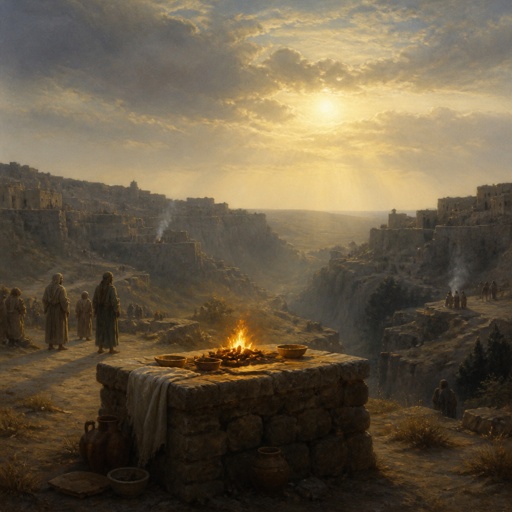
"Have respect unto the covenant: for the dark places of the earth are full of the habitations of cruelty." - Psalms 74:20

"The day is thine, the night also is thine: thou hast prepared the light and the sun." - Psalms 74:16

Psalms 74:17 - "Thou hast set all the borders of the earth: thou hast made summer and winter."

Psalms 74:14 - "Thou brakest the heads of leviathan in pieces, and gavest him to be meat to the people inhabiting the wilderness."

Psalms 74:5 - "A man was famous according as he had lifted up axes upon the thick trees."

Psalms 74:11 - "Why withdrawest thou thy hand, even thy right hand? pluck it out of thy bosom."
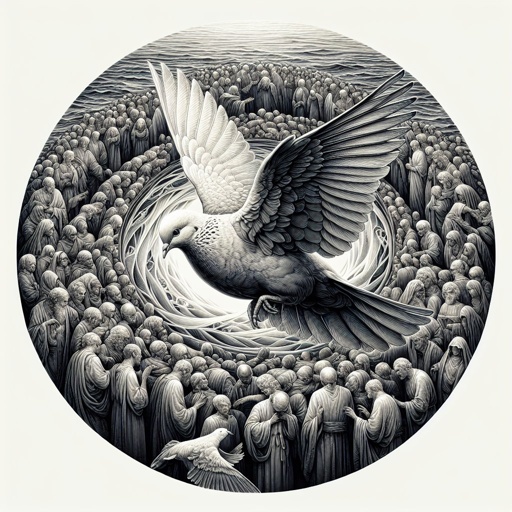
Psalms 74:19 - "O deliver not the soul of thy turtledove unto the multitude of the wicked: forget not the congregation of thy poor for ever."
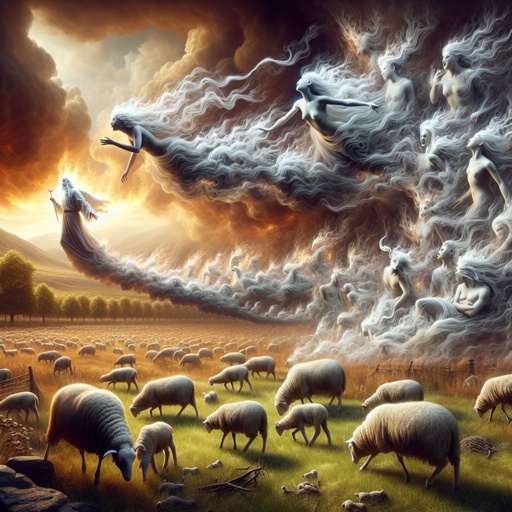
Psalms 74:1 - "O God, why hast thou cast us off for ever? why doth thine anger smoke against the sheep of thy pasture?"
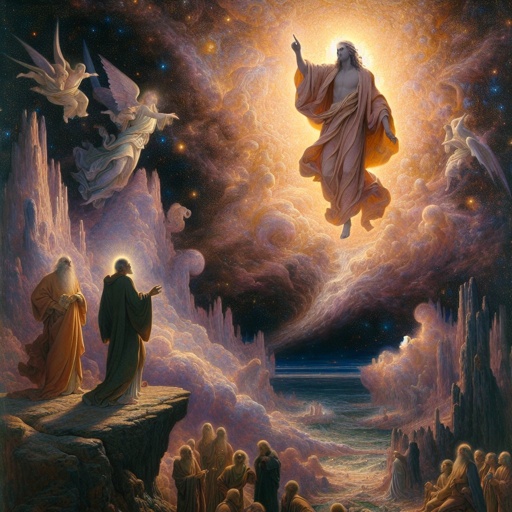
Psalms 74:22 - "Arise, O God, plead thine own cause: remember how the foolish man reproacheth thee daily."
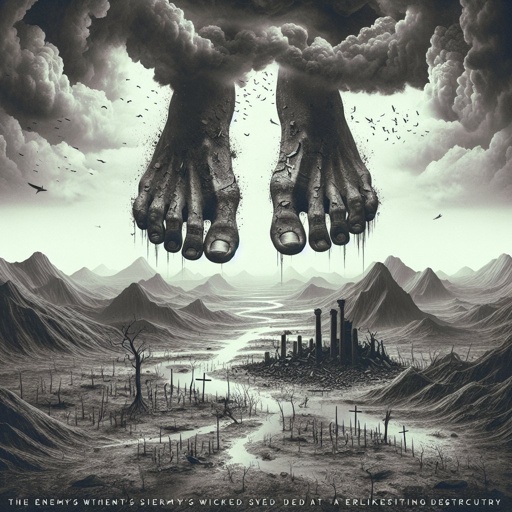
Psalms 74:3 - "Lift up thy feet unto the perpetual desolations; even all that the enemy hath done wickedly in the sanctuary."

Psalms 74:9 - "We see not our signs: there is no more any prophet: neither is there among us any that knoweth how long."

Psalms 74:7 - "They have cast fire into thy sanctuary, they have defiled by casting down the dwelling place of thy name to the ground."
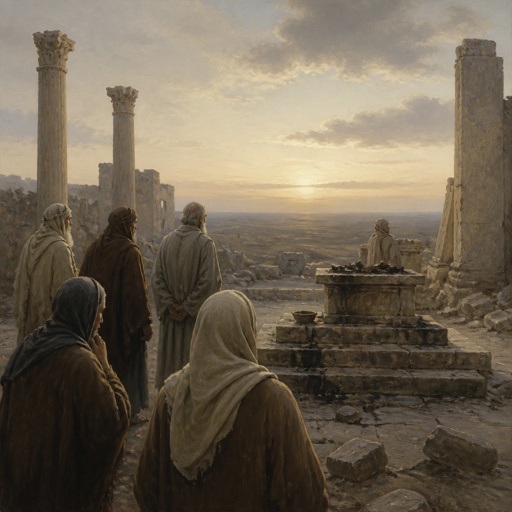
"We see not our signs: there is no more any prophet: neither is there among us any that knoweth how long." - Psalms 74:9
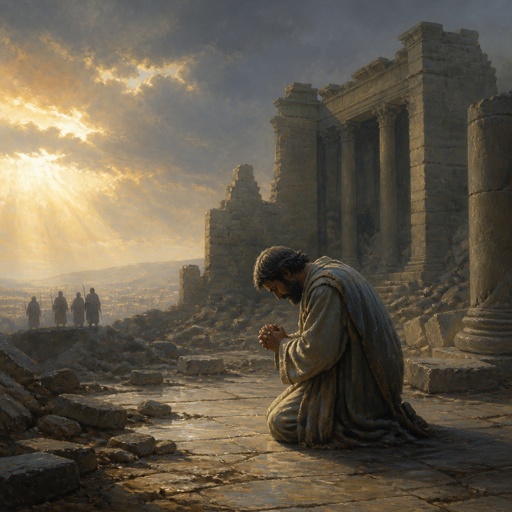
"O God, how long shall the adversary reproach? shall the enemy blaspheme thy name for ever?" - Psalms 74:10
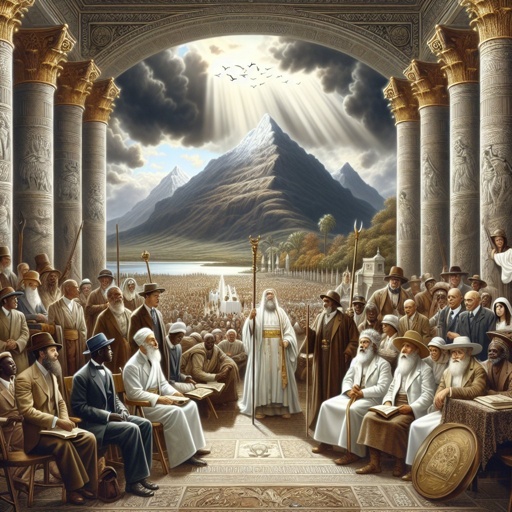
Psalms 74:2 - "Remember thy congregation, which thou hast purchased of old; the rod of thine inheritance, which thou hast redeemed; this mount Zion, wherein thou hast dwelt."