What does Psalms 6:9 mean?
"The LORD hath heard my supplication; the LORD will receive my prayer." - Psalms 6:9

Psalms 6:9 in the King James Version states, "The Lord hath heard my supplication; the Lord will receive my prayer." This verse from the Book of Psalms is a powerful declaration of faith in God's willingness to hear and answer the prayers of his people. The psalmist, most likely King David, is expressing confidence and trust in God's ability to respond to his cries for help and mercy.
One of the overarching themes in this verse is the unwavering faith and trust in God's character. The psalmist is convinced that God is not only capable of hearing his supplication but also willing to receive his prayer. This reflects a deep understanding of God's compassion, love, and faithfulness towards his people. It also emphasizes the importance of prayer as a means of communication and communion with God. The psalmist's conviction in God's responsiveness to his prayers serves as a source of comfort and assurance in times of distress and trouble.
The context of this verse is important to consider in order to fully appreciate its significance. The Book of Psalms is a collection of poems, hymns, and prayers that express a wide range of human emotions and experiences. Many of the psalms, including Psalm 6, were written by King David and reflect his personal struggles, victories, and moments of intimate connection with God. In Psalm 6, David is beseeching God for mercy and healing in the midst of physical and emotional anguish. He pleads for relief from his suffering and expresses confidence that God will hear and answer his prayers.
The symbolic significance of this verse lies in its portrayal of the relationship between God and his people. The psalmist's affirmation of God's willingness to receive his prayer symbolizes the accessibility and approachability of God. It conveys the message that God is not distant or indifferent to the plight of his people, but rather, he is deeply invested in their well-being and is ready to respond to their cries for help. This symbolism reinforces the idea of God as a loving and compassionate deity who is actively involved in the lives of his followers.
Furthermore, the verse underscores the power of prayer as a spiritual practice. The psalmist's confidence in God's responsiveness to his supplication serves as a testament to the efficacy of prayer as a means of seeking comfort, guidance, and intervention from God. It serves as an encouragement for believers to approach God with trust and faith, knowing that he is attentive to their needs and is capable of providing sustenance and support in times of trouble.
In conclusion, Psalms 6:9 in the King James Version encapsulates the profound faith and trust in God's responsiveness to the prayers of his people. It conveys a message of hope, assurance, and reliance on God's compassion and faithfulness. The verse also highlights the significance of prayer as a means of communicating with God and seeking his intervention. Ultimately, this verse serves as a source of inspiration for believers to approach God with confidence, knowing that he hears and receives their prayers.
Have questions about Psalms 6:9?
Dive deeper into this scripture with Bible Chat — an AI-powered tool for exploring God's Word through conversation. Ask questions, get context, and grow in your understanding of the Bible.
Get Our Apps


Psalms 6:9 Artwork

Psalms 6:9 - "The LORD hath heard my supplication; the LORD will receive my prayer."

Psalms 6:9 - "The LORD hath heard my supplication; the LORD will receive my prayer."

"The LORD hath heard my supplication; the LORD will receive my prayer." - Psalms 6:9

Psalms 6:9 - "The LORD hath heard my supplication; the LORD will receive my prayer."

"The LORD hath heard my supplication; the LORD will receive my prayer." - Psalms 6:9

Psalms 107:9

Psalms 126:6
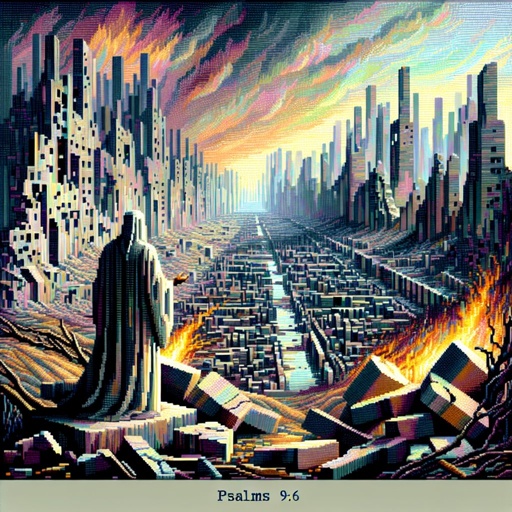
Psalms 9:6 - "O thou enemy, destructions are come to a perpetual end: and thou hast destroyed cities; their memorial is perished with them."
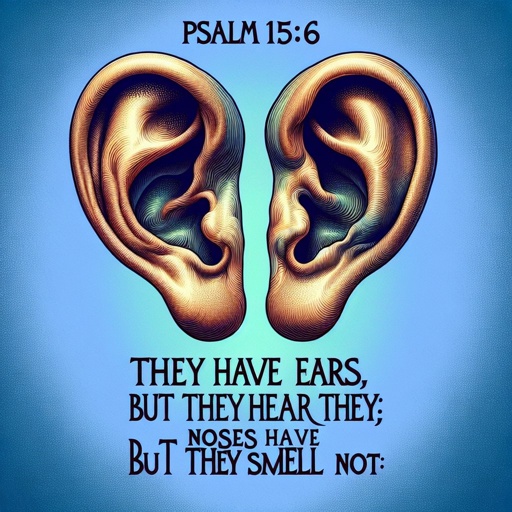
Psalms 115:6 - "They have ears, but they hear not: noses have they, but they smell not:"

Psalms 30:6 - "And in my prosperity I said, I shall never be moved."

"The LORD also will be a refuge for the oppressed, a refuge in times of trouble." - Psalms 9:9

Psalms 129:6 - "Let them be as the grass upon the housetops, which withereth afore it groweth up:"

Psalms 144:6 - "Cast forth lightning, and scatter them: shoot out thine arrows, and destroy them."

Psalms 74:6 - "But now they break down the carved work thereof at once with axes and hammers."

Psalms 6:6

Psalms 80:6 - "Thou makest us a strife unto our neighbours: and our enemies laugh among themselves."

Psalms 114:6 - "Ye mountains, that ye skipped like rams; and ye little hills, like lambs?"

Psalms 59:9 - "Because of his strength will I wait upon thee: for God is my defence."

"They slay the widow and the stranger, and murder the fatherless." - Psalms 94:6

"Mountains, and all hills; fruitful trees, and all cedars:" - Psalms 148:9

Psalms 130:6 - "My soul waiteth for the Lord more than they that watch for the morning: I say, more than they that watch for the morning."

Psalms 118:6 - "The LORD is on my side; I will not fear: what can man do unto me?"

Psalms 9:5 - "Thou hast rebuked the heathen, thou hast destroyed the wicked, thou hast put out their name for ever and ever."

"In the morning it flourisheth, and groweth up; in the evening it is cut down, and withereth." - Psalms 90:6

Psalms 9:14 - "That I may shew forth all thy praise in the gates of the daughter of Zion: I will rejoice in thy salvation."

Psalms 107:9

Psalms 19:6 - "His going forth is from the end of the heaven, and his circuit unto the ends of it: and there is nothing hid from the heat thereof."

Psalms 9:9 - "The LORD also will be a refuge for the oppressed, a refuge in times of trouble."

"Pray for the peace of Jerusalem: they shall prosper that love thee." - Psalms 122:6

"Thou hast laid me in the lowest pit, in darkness, in the deeps." - Psalms 88:6