What does Psalms 56:1 mean?
"Be merciful unto me, O God: for man would swallow me up; he fighting daily oppresseth me." - Psalms 56:1

The specific verse Psalms 56:1 in the King James Version of the Bible reads, "Be merciful unto me, O God: for man would swallow me up; he fighting daily oppresseth me." This verse comes from the Book of Psalms, which is a collection of 150 poetic hymns and prayers that express a wide range of human emotions and experiences, including praise, thanksgiving, lament, and supplication.
This verse is a prayer of supplication and a cry for mercy from the psalmist to God. The psalmist is expressing his desperation and pleading for God's help and protection in the face of oppression and hostility from others. The psalmist feels overwhelmed and threatened, and he turns to God as his only source of salvation and refuge.
One of the key themes in this verse is the concept of mercy. The psalmist acknowledges his need for God's compassion and forgiveness in the face of opposition and injustice. The psalmist recognizes that he is in a vulnerable and precarious situation, and he appeals to God's mercy as his only hope for deliverance.
Another important theme in this verse is the idea of human aggression and oppression. The psalmist describes his enemies as being like wild animals who are ready to consume and destroy him. He feels constantly under attack and oppressed by those who seek to harm and overpower him. This theme reflects the harsh realities of human conflict and the need for divine intervention in the face of persecution and hostility.
The context of this verse is also significant in understanding its meaning and significance. The Book of Psalms was traditionally attributed to King David, and many of the psalms are associated with specific events and experiences in David's life. In this particular psalm, David is believed to be on the run from his enemies, possibly King Saul or the Philistines. He is in a state of fear and despair, and he seeks God's mercy and protection as he faces imminent danger and threat.
In addition to its thematic significance, this verse also contains symbolic imagery that conveys the psalmist's emotional state and the intensity of his plea for help. The image of being swallowed up or consumed by his enemies conveys a sense of being overwhelmed and defeated, and the idea of fighting daily oppression reflects a relentless and exhausting struggle. The psalmist's use of vivid and emotive language creates a powerful and evocative expression of his distress and urgency.
Overall, Psalms 56:1 in the King James Version of the Bible is a poignant and heartfelt prayer for mercy and deliverance in the face of adversity and persecution. It captures the psalmist's deep sense of vulnerability and desperation, as well as his unwavering faith in God's power to provide protection and salvation. This verse resonates with anyone who has experienced hardship or persecution and seeks comfort and strength in God's mercy and grace.
Have questions about Psalms 56:1?
Dive deeper into this scripture with Bible Chat — an AI-powered tool for exploring God's Word through conversation. Ask questions, get context, and grow in your understanding of the Bible.
Get Our Apps


Psalms 56:1 Artwork

Psalms 56:1 - "Be merciful unto me, O God: for man would swallow me up; he fighting daily oppresseth me."

"Be merciful unto me, O God: for man would swallow me up; he fighting daily oppresseth me." - Psalms 56:1

Psalms 56:5 - "Every day they wrest my words: all their thoughts are against me for evil."
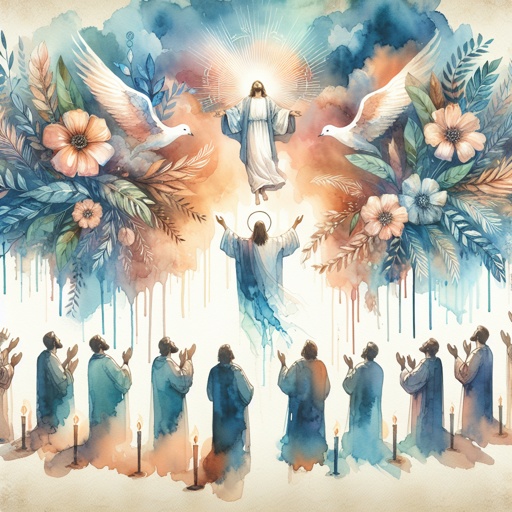
Psalms 56:3

"What time I am afraid, I will trust in thee." - Psalms 56:3

Psalms 119:56 - "This I had, because I kept thy precepts."

Psalms 78:56 - "Yet they tempted and provoked the most high God, and kept not his testimonies:"

Psalms 56:3 - "What time I am afraid, I will trust in thee."

Psalms 56:10 - "In God will I praise his word: in the LORD will I praise his word."

"In God will I praise his word: in the LORD will I praise his word." - Psalms 56:10

Psalms 56:7 - "Shall they escape by iniquity? in thine anger cast down the people, O God."

Psalms 56:8 - "Thou tellest my wanderings: put thou my tears into thy bottle: are they not in thy book?"

Psalms 56:6 - "They gather themselves together, they hide themselves, they mark my steps, when they wait for my soul."

Psalms 56:12 - "Thy vows are upon me, O God: I will render praises unto thee."

Psalms 56:9 - "When I cry unto thee, then shall mine enemies turn back: this I know; for God is for me."

Psalms 56:11 - "In God have I put my trust: I will not be afraid what man can do unto me."

Psalms 56:2 - "Mine enemies would daily swallow me up: for they be many that fight against me, O thou most High."

"This I had, because I kept thy precepts." - Psalms 119:56

"In God have I put my trust: I will not be afraid what man can do unto me." - Psalms 56:11

"Yet they tempted and provoked the most high God, and kept not his testimonies:" - Psalms 78:56

Psalms 56:4 - "In God I will praise his word, in God I have put my trust; I will not fear what flesh can do unto me."

"Shall they escape by iniquity? in thine anger cast down the people, O God." - Psalms 56:7

"Every day they wrest my words: all their thoughts are against me for evil." - Psalms 56:5

Psalms 56:13 - "For thou hast delivered my soul from death: wilt not thou deliver my feet from falling, that I may walk before God in the light of the living?"
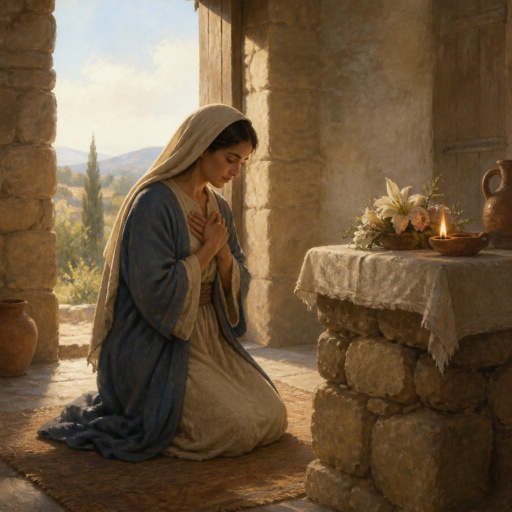
"Thy vows are upon me, O God: I will render praises unto thee." - Psalms 56:12
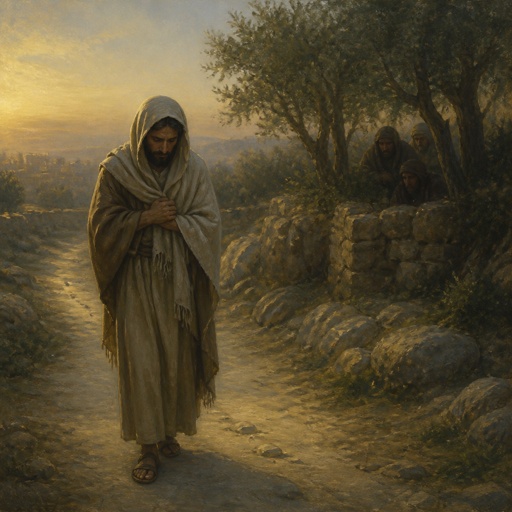
"They gather themselves together, they hide themselves, they mark my steps, when they wait for my soul." - Psalms 56:6

Isaiah 56:3-5
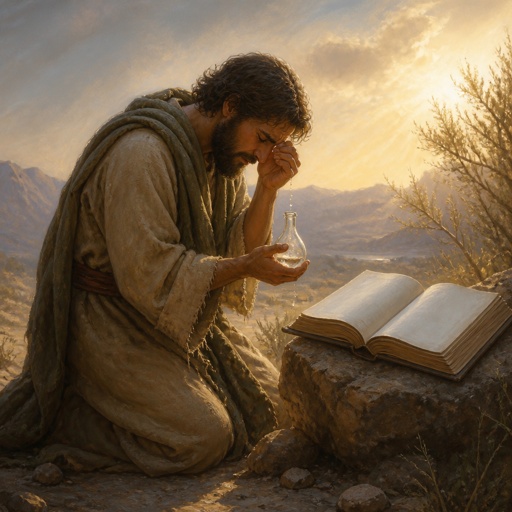
"Thou tellest my wanderings: put thou my tears into thy bottle: are they not in thy book?" - Psalms 56:8

"When I cry unto thee, then shall mine enemies turn back: this I know; for God is for me." - Psalms 56:9

psalm 80:1-7