What does Psalms 52:1 mean?
"Why boastest thou thyself in mischief, O mighty man? the goodness of God endureth continually." - Psalms 52:1

The verse Psalms 52:1 from the King James Version of the Bible says, "Why boastest thou thyself in mischief, O mighty man? the goodness of God endureth continually."
This verse signifies the speaker's outrage against the pride of evildoers who boast in their wicked deeds. The verse serves as a reminder that even the most powerful of men are not exempt from the judgment and goodness of God. It also highlights the enduring nature of God's goodness, which remains constant despite the actions of the wicked.
To understand the context of this verse, it is important to first understand the historical background and authorship of the book of Psalms. The book of Psalms is a collection of poetic prayers and hymns attributed to King David and other authors. The Psalms cover a wide range of emotions and experiences, including praise, thanksgiving, lament, and repentance. Psalms 52 is attributed to David and is categorized as a lament for the destruction caused by Doeg the Edomite, who betrayed David to Saul.
In this particular verse, David expresses his indignation at the arrogance and pride of those who do evil. The "mighty man" refers to individuals who are powerful or influential, but instead of using their position for good, they boast in their wickedness. The phrase "boastest thyself in mischief" represents the display of their evil deeds with pride and arrogance. David is appalled by their lack of remorse and their boasting in their own wrongdoing.
The verse also serves as a reflection on the enduring nature of God's goodness. Despite the wickedness of man, God's goodness remains constant and unwavering. It serves as a reminder that God's judgment is just and that the evildoers will ultimately face consequences for their actions.
The themes present in this verse include the contrast between the arrogance of evildoers and the enduring goodness of God. It also emphasizes the universal nature of God's judgment and the accountability of even the most powerful individuals. Additionally, the verse highlights the importance of humility and righteousness in contrast to the pride and wickedness of the unrighteous.
The use of symbolism in this verse is subtle but significant. The "mighty man" represents those in positions of power and influence, while the "mischief" they boast in symbolizes their wicked deeds. The contrast between their arrogance and the enduring goodness of God symbolizes the conflict between the pride of man and the justice of God.
In summary, Psalms 52:1 from the King James Version of the Bible conveys a powerful message about the arrogance of evildoers and the enduring goodness of God. It serves as a reminder of the accountability of those in positions of power and the unwavering nature of God's justice. The verse also encourages humility and righteousness in contrast to the pride and wickedness of the unrighteous. Overall, this verse carries timeless themes and messages that remain relevant and impactful to this day.
Have questions about Psalms 52:1?
Dive deeper into this scripture with Bible Chat — an AI-powered tool for exploring God's Word through conversation. Ask questions, get context, and grow in your understanding of the Bible.
Get Our Apps


Psalms 52:1 Artwork

Psalms 52:1 - "Why boastest thou thyself in mischief, O mighty man? the goodness of God endureth continually."

"Why boastest thou thyself in mischief, O mighty man? the goodness of God endureth continually." - Psalms 52:1

"Blessed be the LORD for evermore. Amen, and Amen." - Psalms 89:52

Psalm 52:5

Psalms 89:52 - "Blessed be the LORD for evermore. Amen, and Amen."

Psalms 52:6 - "The righteous also shall see, and fear, and shall laugh at him:"

Psalms 52:4 - "Thou lovest all devouring words, O thou deceitful tongue."

Psalms 52:2 - "Thy tongue deviseth mischiefs; like a sharp razor, working deceitfully."

Psalms 119:52 - "I remembered thy judgments of old, O LORD; and have comforted myself."

Psalms 52:3 - "Thou lovest evil more than good; and lying rather than to speak righteousness. Selah."

"Thou lovest evil more than good; and lying rather than to speak righteousness. Selah." - Psalms 52:3

Psalms 78:52 - "But made his own people to go forth like sheep, and guided them in the wilderness like a flock."

Psalms 52:7 - "Lo, this is the man that made not God his strength; but trusted in the abundance of his riches, and strengthened himself in his wickedness."

Psalms 52:8 - "But I am like a green olive tree in the house of God: I trust in the mercy of God for ever and ever."

Psalms 52:9 - "I will praise thee for ever, because thou hast done it: and I will wait on thy name; for it is good before thy saints."
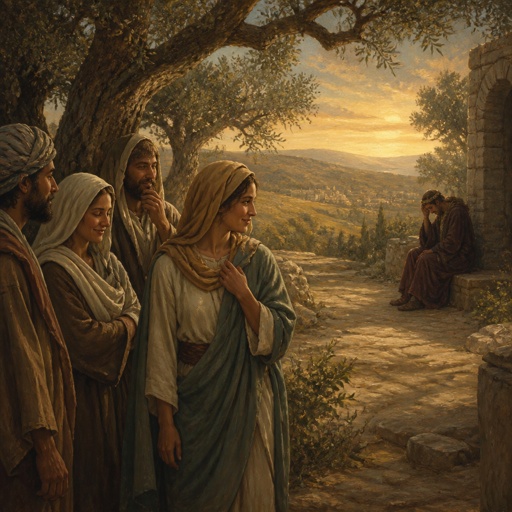
"The righteous also shall see, and fear, and shall laugh at him:" - Psalms 52:6
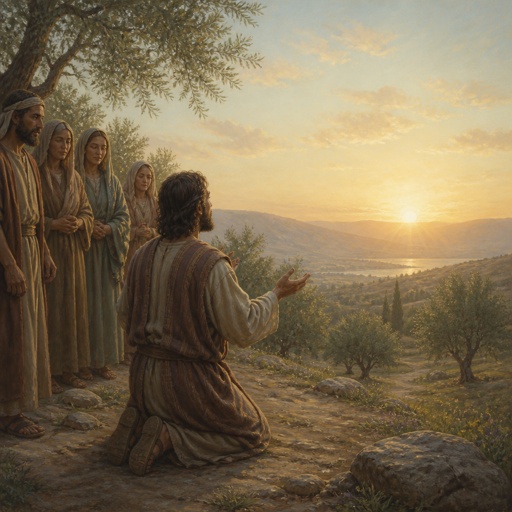
"I will praise thee for ever, because thou hast done it: and I will wait on thy name; for it is good before thy saints." - Psalms 52:9
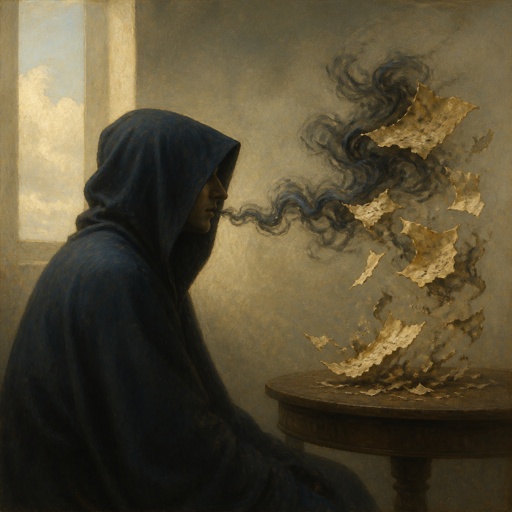
"Thou lovest all devouring words, O thou deceitful tongue." - Psalms 52:4
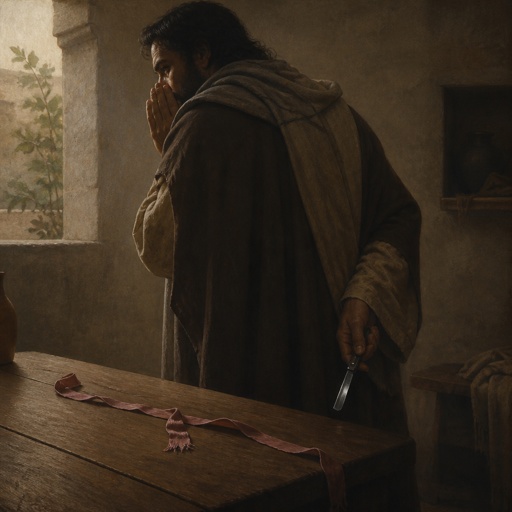
"Thy tongue deviseth mischiefs; like a sharp razor, working deceitfully." - Psalms 52:2
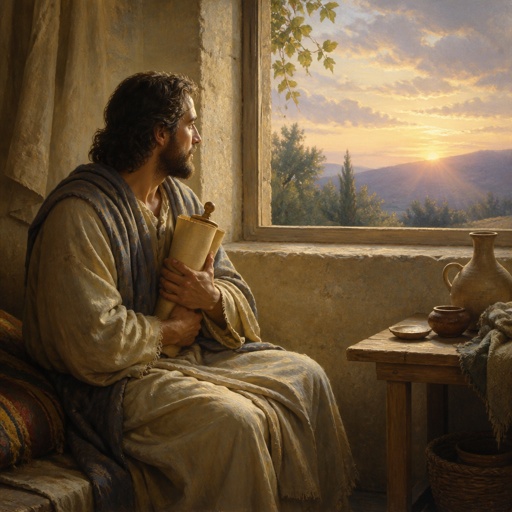
"I remembered thy judgments of old, O LORD; and have comforted myself." - Psalms 119:52

Psalms 52:5 - "God shall likewise destroy thee for ever, he shall take thee away, and pluck thee out of thy dwelling place, and root thee out of the land of the living. Selah."
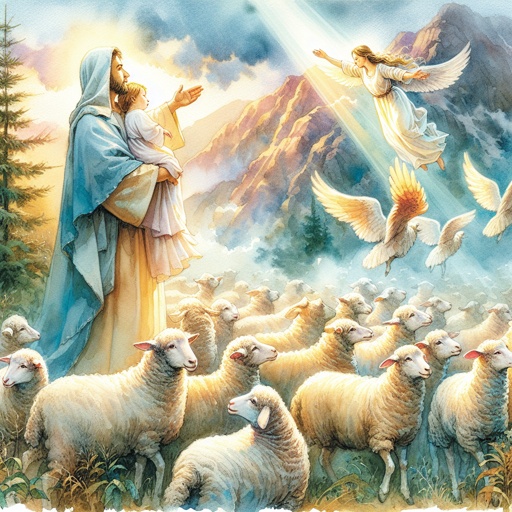
psalm 80:1-7

Jeremiah 52:16

Psalms 128:1 - "Blessed is every one that feareth the LORD; that walketh in his ways."
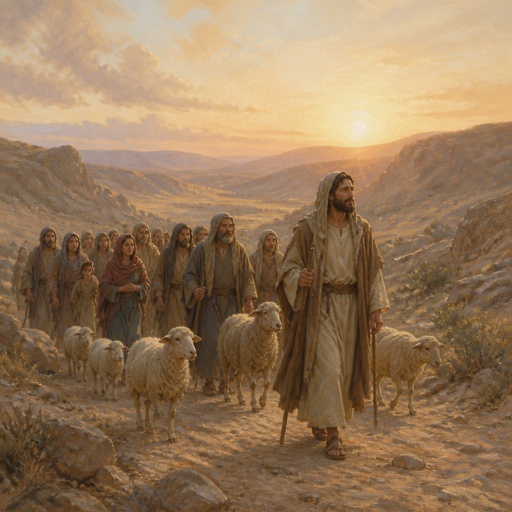
"But made his own people to go forth like sheep, and guided them in the wilderness like a flock." - Psalms 78:52

Psalms 122:1 - "I was glad when they said unto me, Let us go into the house of the LORD."

Psalms 15:1 (KJVA) 1 A Psalm of David. LORD, who shall abide in thy tabernacle? who shall dwell in thy holy hill?

"Lo, this is the man that made not God his strength; but trusted in the abundance of his riches, and strengthened himself in his wickedness." - Psalms 52:7
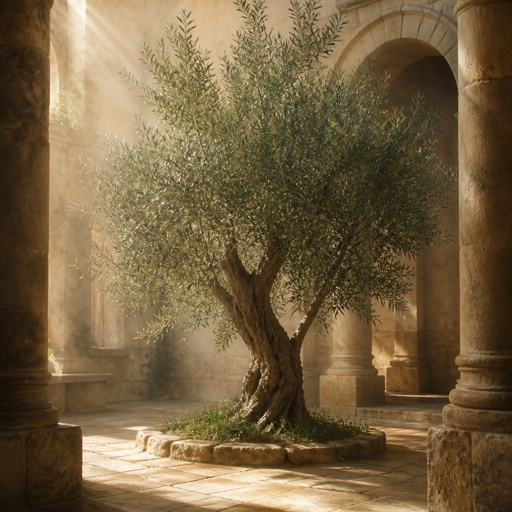
"But I am like a green olive tree in the house of God: I trust in the mercy of God for ever and ever." - Psalms 52:8

1 Chronicles 1:52 - "Duke Aholibamah, duke Elah, duke Pinon,"