What does Psalms 50:15 mean?
"And call upon me in the day of trouble: I will deliver thee, and thou shalt glorify me." - Psalms 50:15

Psalm 50:15 in the King James Version reads, “And call upon me in the day of trouble: I will deliver thee, and thou shalt glorify me.”
This verse comes as a direct word from God in a psalm of Asaph where the Lord summons His people into a kind of covenant courtroom. The setting of Psalm 50 is majestic and judicial: God is not portrayed as distant, but as the covenant King and righteous Judge who speaks, testifies, and exposes what is true. The larger context matters because the psalm is aimed at correcting a deep misunderstanding of worship. Israel had offerings, sacrifices, and religious activity, but Psalm 50 reveals that God is not “fed” or sustained by those rituals, as though He needed them. He owns “the cattle upon a thousand hills” and every beast of the forest. The point is not that sacrifices are meaningless, but that the people had begun to treat outward religion as if it could replace inward faith, gratitude, and obedience. Psalm 50:15 is spoken into that setting as the heart of what God actually desires from His covenant people.
The verse’s first movement, “And call upon me in the day of trouble,” is both invitation and command. It assumes that trouble will come; “the day of trouble” is not an anomaly but a recurring reality in human life, and in Israel’s life under the covenant. Yet it also defines what God considers true religion at such a time: not mere ceremony, not the attempt to manage God through gifts, but dependence expressed in prayer. To “call upon” the Lord is to acknowledge Him as the only sufficient help, to turn toward Him rather than away, and to seek His aid in faith. In the psalm’s context, it is a corrective to the idea that God is impressed by the mechanical performance of offerings while the heart remains unresponsive. Calling upon God is relational; it is the language of trust rather than the language of transaction.
The second movement, “I will deliver thee,” is a covenant promise of rescue. In Psalm 50, God’s authority is total, His judgment is real, and His knowledge is exhaustive; that could leave the hearer in dread. Yet God’s voice includes mercy. Deliverance here is not presented as something bought by sacrifice, but as something granted by God’s sovereign kindness to those who call upon Him. The verb “deliver” carries the idea of being brought out, rescued, or set free from what threatens. In the broader biblical sense, deliverance often echoes the Lord’s past saving acts, especially His redemption of Israel, and it fits Psalm 50’s reminder that God is the active Lord of history. The promise is not merely that trouble will be explained, but that God will act in the trouble. At the same time, because Psalm 50 addresses people who are being corrected for empty religion, the deliverance promised is tied to a renewed posture of faith and true worship.
The final movement, “and thou shalt glorify me,” reveals the goal of the whole exchange. God does not deliver merely to make life comfortable; He delivers so that the rescued person will give Him the honor due unto His name. In the psalm, God rejects worship that tries to place Him in the debtor’s position, as though sacrifices make Him obligated. Psalm 50:15 flips that relationship into its proper order: the worshipper is the dependent one; God is the Deliverer; and the fitting result is glory given to God. This “glorify” is more than saying “thank you,” though it includes thanksgiving; it is the public and personal acknowledgment that the Lord alone is God, that His help is decisive, and that His character is trustworthy. In that sense, the verse outlines a pattern of true worship: need leads to prayer, prayer meets God’s saving help, and salvation results in praise. It is a cycle of grace that exposes the emptiness of worship without the heart and replaces it with worship rooted in reliance and gratitude.
Symbolically, “the day of trouble” can be read as any season when human strength fails and illusions of control collapse. In Psalm 50, this symbolism is pointed: trouble becomes the moment when the difference between mere religious form and genuine faith is revealed. If a person’s confidence is in rituals alone, trouble can either harden the heart or drive it to despair; but if confidence is in the living God, trouble becomes an altar of sorts, not of animals but of dependence. The deliverance promised is also symbolic of God’s sufficiency: He is not a recipient of human supply, but the Giver who supplies. The final glorifying of God symbolizes the right end of all divine help: God’s acts in history are meant to make His name weighty in the lives of His people.
The significance of Psalm 50:15, then, is that it states plainly what God seeks and what God gives within the covenant: He calls His people away from treating worship as mere payment and toward a living relationship marked by calling on Him, receiving His deliverance, and returning glory to Him. It teaches that prayer in distress is not a last resort but a God-appointed expression of faith, that deliverance is God’s work rather than human achievement, and that the true fruit of rescue is doxology, a life that honors the One who saves.
Have questions about Psalms 50:15?
Dive deeper into this scripture with Bible Chat — an AI-powered tool for exploring God's Word through conversation. Ask questions, get context, and grow in your understanding of the Bible.
Get Our Apps


Psalms 50:15 Artwork

Psalms 50:15 - "And call upon me in the day of trouble: I will deliver thee, and thou shalt glorify me."
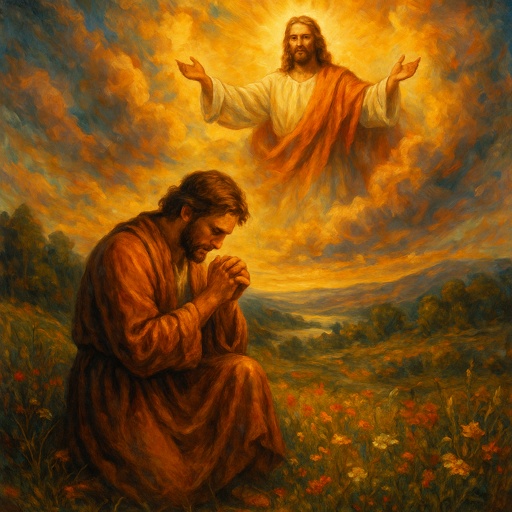
"And call upon me in the day of trouble: I will deliver thee, and thou shalt glorify me." - Psalms 50:15

"And call upon me in the day of trouble: I will deliver thee, and thou shalt glorify me." - Psalms 50:15

"Out of Zion, the perfection of beauty, God hath shined." - Psalms 50:2

"For every beast of the forest is mine, and the cattle upon a thousand hills." - Psalms 50:10

"And the heavens shall declare his righteousness: for God is judge himself. Selah." - Psalms 50:6

Psalms 50:13 - "Will I eat the flesh of bulls, or drink the blood of goats?"

Psalms 50:2 - "Out of Zion, the perfection of beauty, God hath shined."

"I know all the fowls of the mountains: and the wild beasts of the field are mine." - Psalms 50:11

"Offer unto God thanksgiving; and pay thy vows unto the most High:" - Psalms 50:14

Psalms 50:6 - "And the heavens shall declare his righteousness: for God is judge himself. Selah."

Psalms 50:11 - "I know all the fowls of the mountains: and the wild beasts of the field are mine."

Psalms 119:50 - "This is my comfort in my affliction: for thy word hath quickened me."

Psalms 50:10 - "For every beast of the forest is mine, and the cattle upon a thousand hills."

Psalms 50:14 - "Offer unto God thanksgiving; and pay thy vows unto the most High:"

Psalms 50:19 - "Thou givest thy mouth to evil, and thy tongue frameth deceit."

Psalms 50:17 - "Seeing thou hatest instruction, and castest my words behind thee."

Psalms 50:5 - "Gather my saints together unto me; those that have made a covenant with me by sacrifice."

Psalms 50:22 - "Now consider this, ye that forget God, lest I tear you in pieces, and there be none to deliver."

"He shall call to the heavens from above, and to the earth, that he may judge his people." - Psalms 50:4

Psalms 50:18 - "When thou sawest a thief, then thou consentedst with him, and hast been partaker with adulterers."

Psalms 50:12 - "If I were hungry, I would not tell thee: for the world is mine, and the fulness thereof."

Psalms 50:4 - "He shall call to the heavens from above, and to the earth, that he may judge his people."

Psalms 50:9 - "I will take no bullock out of thy house, nor he goats out of thy folds."

Psalms 50:20 - "Thou sittest and speakest against thy brother; thou slanderest thine own mother's son."

Psalms 50:23 - "Whoso offereth praise glorifieth me: and to him that ordereth his conversation aright will I shew the salvation of God."

Psalms 18:50 - "Great deliverance giveth he to his king; and sheweth mercy to his anointed, to David, and to his seed for evermore."

Psalms 78:50 - "He made a way to his anger; he spared not their soul from death, but gave their life over to the pestilence;"

Psalms 50:8 - "I will not reprove thee for thy sacrifices or thy burnt offerings, to have been continually before me."

Psalms 50:1 - "The mighty God, even the LORD, hath spoken, and called the earth from the rising of the sun unto the going down thereof."