What does Psalms 49:5 mean?
"Wherefore should I fear in the days of evil, when the iniquity of my heels shall compass me about?" - Psalms 49:5

Certainly! Psalms 49:5 in the King James Version states, "Wherefore should I fear in the days of evil, when the iniquity of my heels shall compass me about?" This verse is an expression of faith and trust in God in the face of adversity and evil.
The Psalms, attributed to King David, are a collection of poems, prayers, and songs that express a range of human emotions and experiences. In many of these texts, David or the psalmist acknowledges the reality of evil and the hardships of life while reaffirming trust in God's sovereignty and providence.
In this particular verse, the psalmist questions the need to fear during times of trouble or evil. The phrase "days of evil" refers to periods of hardship, suffering, and moral corruption. It is a recognition of the pervasive presence of evil in the world and the challenges it poses to faith and righteous living.
The psalmist's rhetorical question, "Wherefore should I fear," suggests a rejection of fear and anxiety in the face of adversity. The word "wherefore" implies a call for reason or justification for such fear, as if to say, "Why should I fear in the days of evil?" This rhetorical question encourages introspection and self-reflection, prompting the reader to consider the rationale for succumbing to fear in difficult times.
The second part of the verse, "when the iniquity of my heels shall compass me about," paints a vivid picture of entrapment and danger. The imagery of iniquity or sin surrounding the psalmist's heels conveys a sense of imminent threat and pursuit. The use of "compass" suggests encirclement or being surrounded, intensifying the feeling of vulnerability and pressure.
One possible interpretation of this verse is that the psalmist is affirming his trust in God's protection and deliverance from the snares of evil. Despite the imminent peril described, the psalmist remains steadfast in his faith, confident that God's presence and providence will safeguard him from harm.
The theme of trust in God amidst adversity is a prevalent and recurring motif in the Psalms. Throughout the book, the psalmists often find themselves in dire situations, facing enemies, persecution, and personal afflictions. However, their response is consistently one of turning to God for strength, guidance, and deliverance.
In the broader context of the Bible, this verse aligns with the Biblical teaching of placing trust in God rather than living in fear of the troubles of the world. It echoes passages such as Psalm 23, which declares, "Yea, though I walk through the valley of the shadow of death, I will fear no evil: for thou art with me; thy rod and thy staff they comfort me" (Psalm 23:4, KJV). It conveys the message of God's unwavering presence and protection, even in the face of danger and adversity.
The symbolism of "the iniquity of my heels" can be interpreted as the consequences of one's own actions or the persistent threat of sin and evil in the world. The image of being surrounded or "compassed about" by iniquity underscores the psalmist's recognition of the pervasive nature of evil and the need for divine intervention.
Ultimately, Psalms 49:5 encourages the reader to re-evaluate their response to hardship and evil, choosing faith and trust in God's protection over fear and despair. It serves as a reminder of the timeless truth that God is our refuge and strength, a very present help in trouble (Psalm 46:1, KJV).
Have questions about Psalms 49:5?
Dive deeper into this scripture with Bible Chat — an AI-powered tool for exploring God's Word through conversation. Ask questions, get context, and grow in your understanding of the Bible.
Get Our Apps


Psalms 49:5 Artwork

Psalms 49:5 - "Wherefore should I fear in the days of evil, when the iniquity of my heels shall compass me about?"

"Wherefore should I fear in the days of evil, when the iniquity of my heels shall compass me about?" - Psalms 49:5

Psalms 49:8 - "(For the redemption of their soul is precious, and it ceaseth for ever:)"

"Both low and high, rich and poor, together." - Psalms 49:2

"Man that is in honour, and understandeth not, is like the beasts that perish." - Psalms 49:20

Psalms 98:5 - "Sing unto the LORD with the harp; with the harp, and the voice of a psalm."

Psalms 49:6 - "They that trust in their wealth, and boast themselves in the multitude of their riches;"

Psalms 49:20 - "Man that is in honour, and understandeth not, is like the beasts that perish."

Psalms 49:2 - "Both low and high, rich and poor, together."

"He shall go to the generation of his fathers; they shall never see light." - Psalms 49:19

Psalms 49:13 - "This their way is their folly: yet their posterity approve their sayings. Selah."

Psalms 49:9 - "That he should still live for ever, and not see corruption."
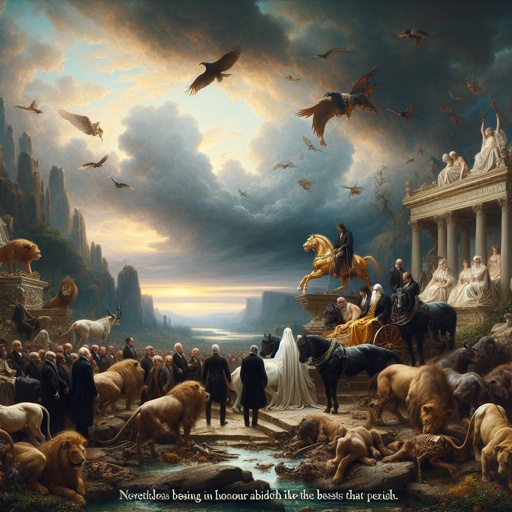
Psalms 49:12 - "Nevertheless man being in honour abideth not: he is like the beasts that perish."

Psalms 49:3 - "My mouth shall speak of wisdom; and the meditation of my heart shall be of understanding."

Psalms 49:1 - "Hear this, all ye people; give ear, all ye inhabitants of the world:"

Psalms 49:19 - "He shall go to the generation of his fathers; they shall never see light."

"Sing unto the LORD with the harp; with the harp, and the voice of a psalm." - Psalms 98:5

Psalms 49:16 - "Be not thou afraid when one is made rich, when the glory of his house is increased;"

"(For the redemption of their soul is precious, and it ceaseth for ever:)" - Psalms 49:8

Psalms 119:49 - "Remember the word unto thy servant, upon which thou hast caused me to hope."

Psalms 98:5 - "Sing unto the LORD with the harp; with the harp, and the voice of a psalm."

Psalms 98:5 - "Sing unto the LORD with the harp; with the harp, and the voice of a psalm."

Psalms 98:5 - "Sing unto the LORD with the harp; with the harp, and the voice of a psalm."

Psalms 89:49 - "Lord, where are thy former lovingkindnesses, which thou swarest unto David in thy truth?"
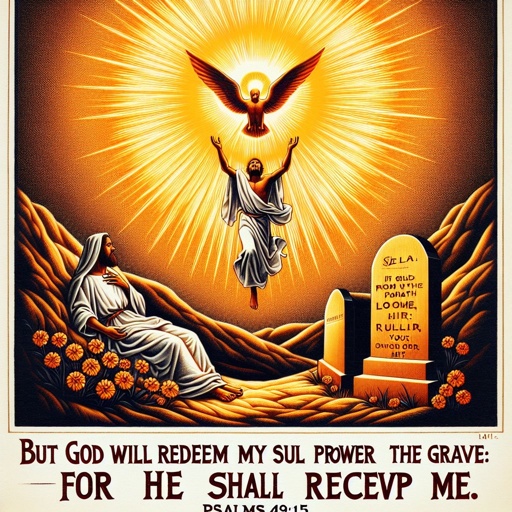
Psalms 49:15 - "But God will redeem my soul from the power of the grave: for he shall receive me. Selah."
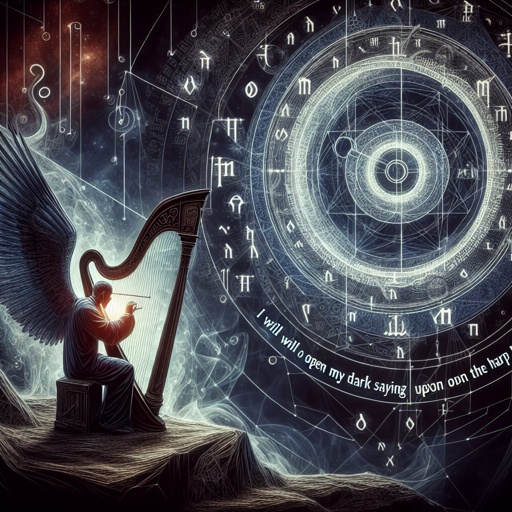
Psalms 49:4 - "I will incline mine ear to a parable: I will open my dark saying upon the harp."

"Lord, where are thy former lovingkindnesses, which thou swarest unto David in thy truth?" - Psalms 89:49

Psalms 49:10 - "For he seeth that wise men die, likewise the fool and the brutish person perish, and leave their wealth to others."

Psalms 49:7 - "None of them can by any means redeem his brother, nor give to God a ransom for him:"

"But God will redeem my soul from the power of the grave: for he shall receive me. Selah." - Psalms 49:15