What does Psalms 49:17 mean?
"For when he dieth he shall carry nothing away: his glory shall not descend after him." - Psalms 49:17
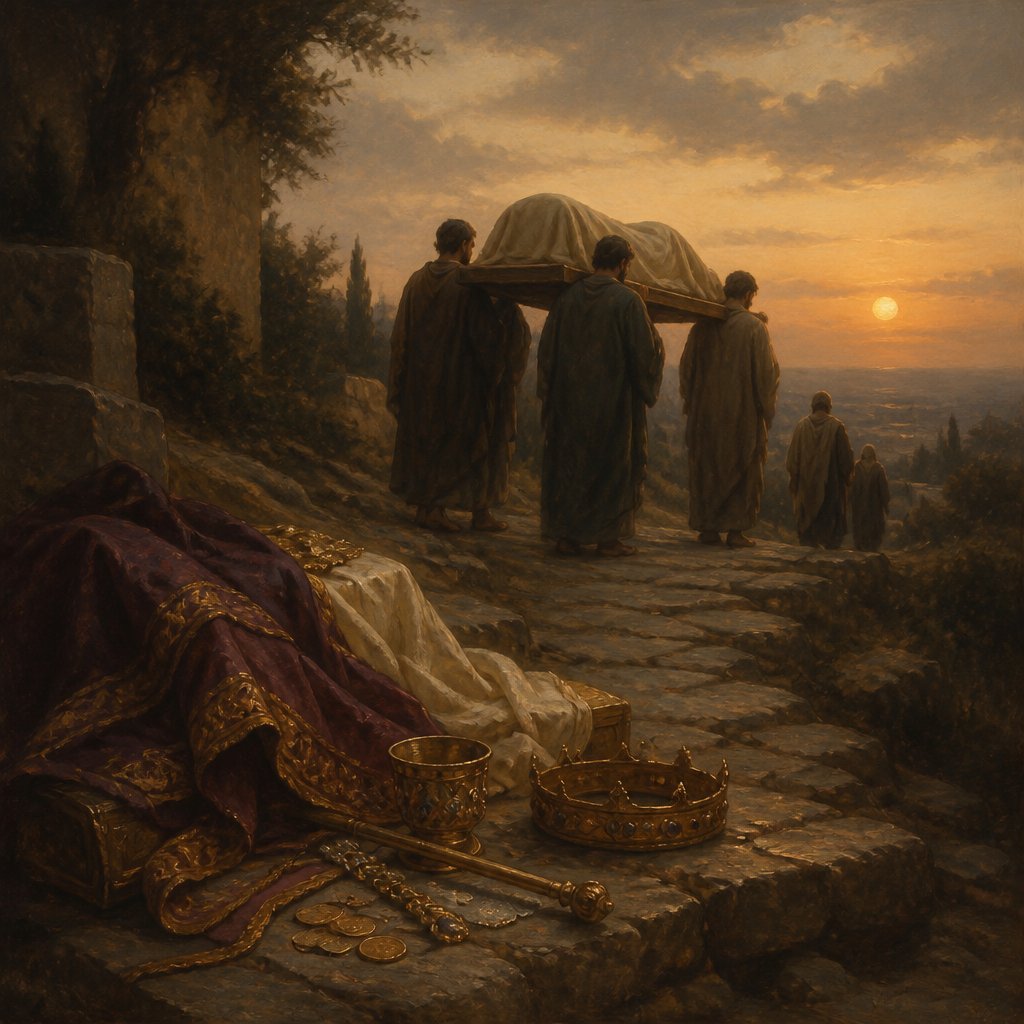
"Psalms-49:17" in the King James Version of the Bible states, "For when he dieth he shall carry nothing away: his glory shall not descend after him." This verse is part of a larger passage in Psalm 49 that addresses the folly of trusting in wealth and the brevity of life.
The overarching theme of Psalm 49 is the transience of wealth and the inevitability of death. The psalmist begins by calling all inhabitants of the world, regardless of social status, to listen to his words. He then proceeds to address the futility of trusting in wealth, as no amount of riches can ransom a person's life or give them eternal life. The psalmist emphasizes that even the wise and understanding, as well as the rich and poor, all face the same fate of death. In light of this, the psalmist encourages the listener to not be afraid when a person becomes rich, as their wealth will not accompany them beyond the grave.
The specific verse, Psalms-49:17, further underscores the point that the riches and glory accumulated in this life are of no worth in the afterlife. The mention of "glory" can be interpreted as the honor and prestige a person may have amassed during their lifetime. However, this verse asserts that such glory does not accompany the individual into the afterlife. The imagery evoked is that of a person standing on the threshold of death, realizing that all their earthly achievements and possessions are left behind, unable to grant them any advantage or comfort in the next life.
The context in which this verse is situated is crucial to understanding its significance. In the ancient world, wealth and social status were often equated with success and security. However, the psalmist challenges this worldview by asserting that death is the great equalizer, coming for both the rich and the poor. This psalm serves as a reminder that material wealth is ultimately temporary and cannot secure a person's eternal destiny.
The symbolism in this verse lies in the contrast between earthly possessions and spiritual worth. It serves as a caution against placing one's trust and identity in material wealth, which is ultimately fleeting. The mention of "glory" also highlights the fleeting nature of human accolades and achievements. Ultimately, the verse points to the greater need for spiritual investment and the pursuit of eternal values rather than temporal success.
In a broader theological sense, Psalms-49:17 speaks to the biblical concept of stewardship and the fleeting nature of earthly treasures. It echoes the teachings of Jesus in the New Testament, where he admonishes his followers not to store up treasures on earth, where moth and rust destroy, but rather to store up treasures in heaven (Matthew 6:19-21). This verse underscores the transient nature of worldly wealth and the imperative for believers to prioritize their eternal inheritance.
In conclusion, Psalms-49:17 serves as a poignant reminder of the temporary nature of earthly wealth and the vanity of placing one's ultimate trust in material possessions. It challenges the prevailing cultural mindset that equates success and security with material prosperity. Instead, it calls for a shift in perspective towards prioritizing spiritual investment and an eternal perspective. This verse invites believers to consider the weightier matters of life and to seek a lasting legacy that transcends earthly riches.
Have questions about Psalms 49:17?
Dive deeper into this scripture with Bible Chat — an AI-powered tool for exploring God's Word through conversation. Ask questions, get context, and grow in your understanding of the Bible.
Get Our Apps


Psalms 49:17 Artwork

Psalms 49:17 - "For when he dieth he shall carry nothing away: his glory shall not descend after him."

"For when he dieth he shall carry nothing away: his glory shall not descend after him." - Psalms 49:17
Psalms 49:8 - "(For the redemption of their soul is precious, and it ceaseth for ever:)"

"Both low and high, rich and poor, together." - Psalms 49:2

"Man that is in honour, and understandeth not, is like the beasts that perish." - Psalms 49:20

Psalms 49:6 - "They that trust in their wealth, and boast themselves in the multitude of their riches;"

Psalms 49:20 - "Man that is in honour, and understandeth not, is like the beasts that perish."

Psalms 49:2 - "Both low and high, rich and poor, together."

"He shall go to the generation of his fathers; they shall never see light." - Psalms 49:19

Psalms 49:13 - "This their way is their folly: yet their posterity approve their sayings. Selah."

Psalms 49:9 - "That he should still live for ever, and not see corruption."

Psalm 49:16-17 - "Do not be overawed when others grow rich, when the splendor of their houses increases; for they will take nothing with them when they die, their splendor will not descend with them."
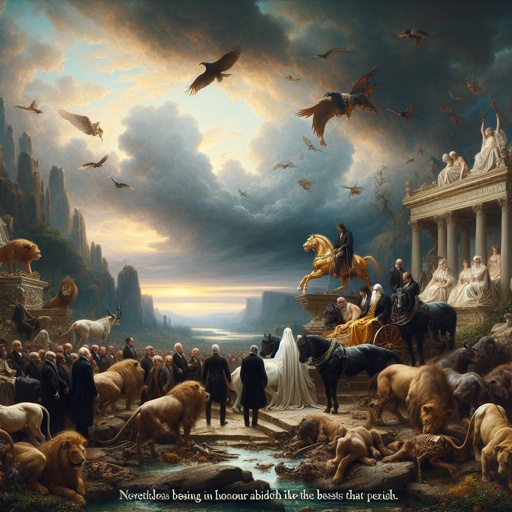
Psalms 49:12 - "Nevertheless man being in honour abideth not: he is like the beasts that perish."

Psalms 49:3 - "My mouth shall speak of wisdom; and the meditation of my heart shall be of understanding."

Psalms 49:1 - "Hear this, all ye people; give ear, all ye inhabitants of the world:"

Psalms 49:19 - "He shall go to the generation of his fathers; they shall never see light."

Psalms 49:16 - "Be not thou afraid when one is made rich, when the glory of his house is increased;"

"(For the redemption of their soul is precious, and it ceaseth for ever:)" - Psalms 49:8

Psalms 17:5 - "Hold up my goings in thy paths, that my footsteps slip not."

Psalms 119:49 - "Remember the word unto thy servant, upon which thou hast caused me to hope."

Psalms 89:49 - "Lord, where are thy former lovingkindnesses, which thou swarest unto David in thy truth?"
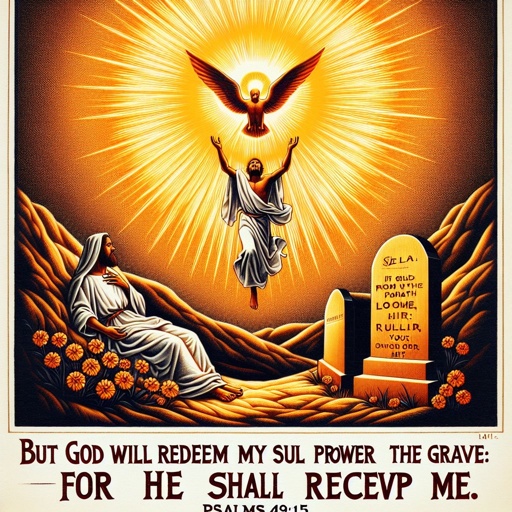
Psalms 49:15 - "But God will redeem my soul from the power of the grave: for he shall receive me. Selah."
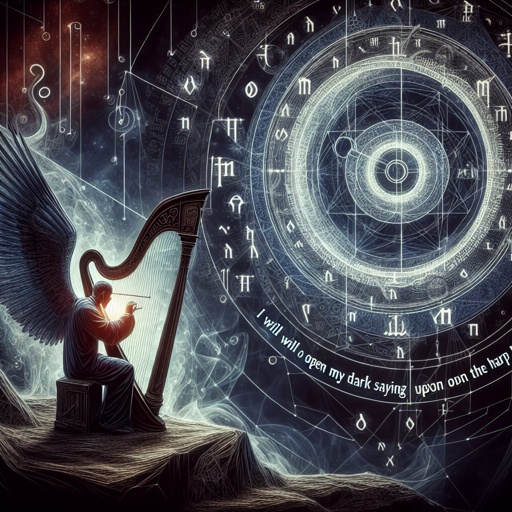
Psalms 49:4 - "I will incline mine ear to a parable: I will open my dark saying upon the harp."

"Lord, where are thy former lovingkindnesses, which thou swarest unto David in thy truth?" - Psalms 89:49

Psalms 49:10 - "For he seeth that wise men die, likewise the fool and the brutish person perish, and leave their wealth to others."

Psalms 49:7 - "None of them can by any means redeem his brother, nor give to God a ransom for him:"

"But God will redeem my soul from the power of the grave: for he shall receive me. Selah." - Psalms 49:15

"I will incline mine ear to a parable: I will open my dark saying upon the harp." - Psalms 49:4

Psalms 136:17 - "To him which smote great kings: for his mercy endureth for ever:"

"They that trust in their wealth, and boast themselves in the multitude of their riches;" - Psalms 49:6