What does Psalms 44:9 mean?
"But thou hast cast off, and put us to shame; and goest not forth with our armies." - Psalms 44:9
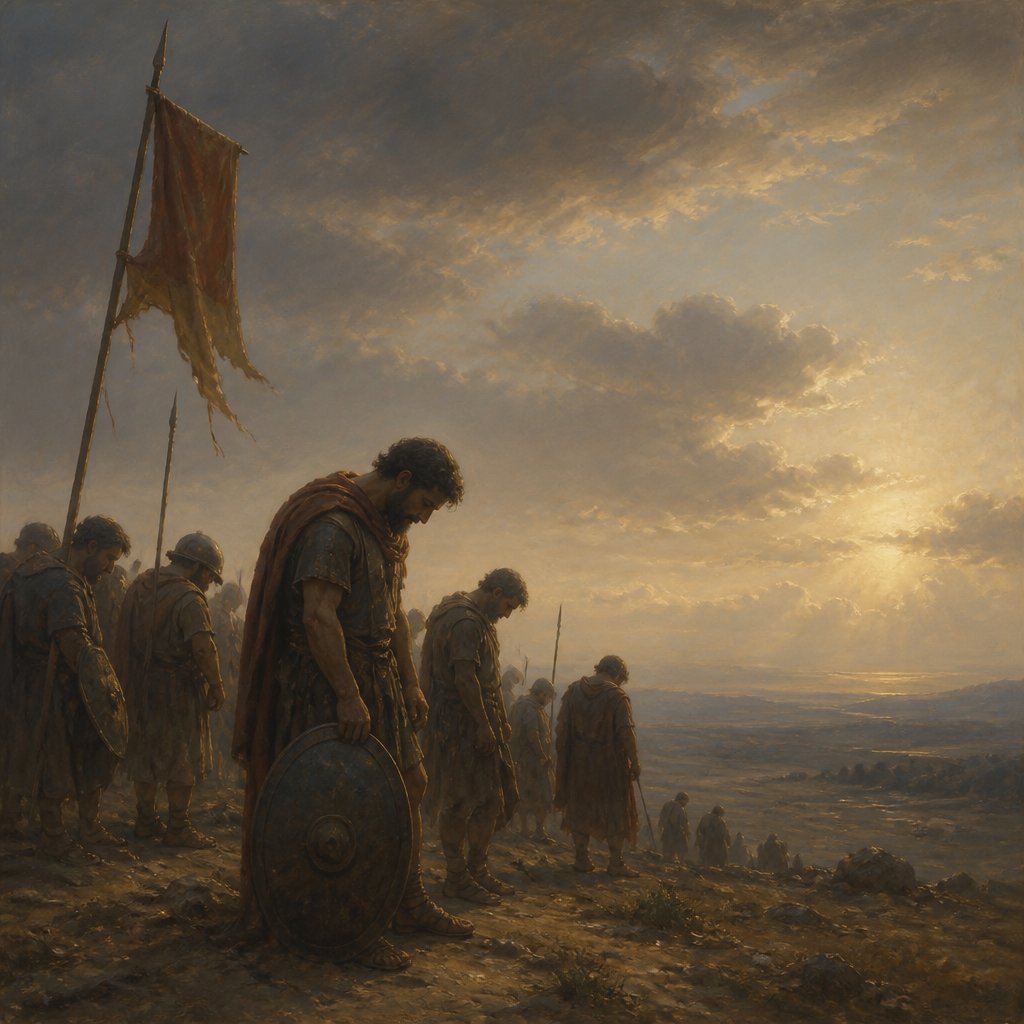
Verse: "But thou hast cast off, and put us to shame; and goest not forth with our armies."
Meaning and Commentary:
In this verse from Psalm 44, the psalmist is expressing his distress and despair over the apparent abandonment of God. The verse reflects the hardships and travails that the people of Israel were facing, and the feelings of abandonment and shame that the psalmist believes have been inflicted upon them by God.
The context of this verse is important for understanding its meaning. Psalm 44 is a communal lament, where the psalmist, on behalf of the people of Israel, expresses their distress and anguish over their current situation. The psalm begins with a recollection of God's past assistance and deliverance, and the people's reliance on God's help in times of trouble. However, the tone shifts as the psalmist describes the current state of affairs, where the people find themselves in a situation of defeat and shame, despite their faithfulness and devotion to God. The verse in question is a lament over the apparent absence of God's support in times of trouble, and the resultant shame and humiliation suffered by the people.
The themes explored in this verse include the faithfulness of God, the suffering of the righteous, and the complex relationship between God and his people. The psalmist is grappling with the perplexing reality that despite their devotion and obedience to God, the people of Israel are experiencing defeat and shame. This raises questions about the nature of God and his promises to his people, and the psalmist's lament reflects a deep sense of disillusionment and confusion.
The verse also touches upon the theme of divine providence and the apparent absence of God's intervention. The psalmist feels abandoned by God, as if God has "cast off" the people of Israel and is no longer actively aiding them in their struggles. This portrayal of God's absence and apparent rejection of his people is a powerful expression of the psalmist's feelings of despair and abandonment.
The symbolism in this verse is centered on the image of God "casting off" and not going forth with the armies of Israel. This imagery conveys a sense of divine withdrawal and absence, as if God has abandoned his people to face their enemies alone. The symbolism of God's presence with the armies of Israel is a powerful representation of divine protection and assistance, and the absence of this presence symbolizes the people's vulnerability and distress.
In conclusion, Psalm 44:9 from the King James Version of the Bible is a poignant expression of the psalmist's distress and despair over the apparent abandonment of God and the resultant shame and humiliation suffered by the people of Israel. The verse reflects themes of faithfulness, suffering, and the complex relationship between God and his people. Through its powerful imagery and poignant lament, the verse conveys a deep sense of disillusionment and confusion, as the psalmist grapples with the perplexing reality of defeat and shame despite their faithfulness to God.
Have questions about Psalms 44:9?
Dive deeper into this scripture with Bible Chat — an AI-powered tool for exploring God's Word through conversation. Ask questions, get context, and grow in your understanding of the Bible.
Get Our Apps


Psalms 44:9 Artwork

Psalms 44:9 - "But thou hast cast off, and put us to shame; and goest not forth with our armies."
"But thou hast cast off, and put us to shame; and goest not forth with our armies." - Psalms 44:9

Psalms 107:9

Psalms 78:44 - "And had turned their rivers into blood; and their floods, that they could not drink."

Psalms 105:44 - "And gave them the lands of the heathen: and they inherited the labour of the people;"

Psalms 44:16 - "For the voice of him that reproacheth and blasphemeth; by reason of the enemy and avenger."

"Thou art my King, O God: command deliverances for Jacob." - Psalms 44:4

"Wherefore hidest thou thy face, and forgettest our affliction and our oppression?" - Psalms 44:24

Psalms 44:21 - "Shall not God search this out? for he knoweth the secrets of the heart."

Psalms 44:26 - "Arise for our help, and redeem us for thy mercies' sake."

Psalms 106:44 - "Nevertheless he regarded their affliction, when he heard their cry:"

"Thou makest us a byword among the heathen, a shaking of the head among the people." - Psalms 44:14

Psalms 119:44 - "So shall I keep thy law continually for ever and ever."

Psalms 44:4 - "Thou art my King, O God: command deliverances for Jacob."

Psalms 44:14 - "Thou makest us a byword among the heathen, a shaking of the head among the people."

Psalms 44:12 - "Thou sellest thy people for nought, and dost not increase thy wealth by their price."

Psalms 44:24 - "Wherefore hidest thou thy face, and forgettest our affliction and our oppression?"

Psalms 44:6 - "For I will not trust in my bow, neither shall my sword save me."

Psalms 44:25 - "For our soul is bowed down to the dust: our belly cleaveth unto the earth."

"As soon as they hear of me, they shall obey me: the strangers shall submit themselves unto me." - Psalms 18:44

Psalms 44:23 - "Awake, why sleepest thou, O Lord? arise, cast us not off for ever."

Psalms 89:44 - "Thou hast made his glory to cease, and cast his throne down to the ground."

"If we have forgotten the name of our God, or stretched out our hands to a strange god;" - Psalms 44:20

Psalms 44:15 - "My confusion is continually before me, and the shame of my face hath covered me,"

Psalms 44:8 - "In God we boast all the day long, and praise thy name for ever. Selah."

Psalms 44:13 - "Thou makest us a reproach to our neighbours, a scorn and a derision to them that are round about us."

Psalms 44:10 - "Thou makest us to turn back from the enemy: and they which hate us spoil for themselves."

Psalms 44:20 - "If we have forgotten the name of our God, or stretched out our hands to a strange god;"

Psalms 44:18 - "Our heart is not turned back, neither have our steps declined from thy way;"

Psalms 44:19 - "Though thou hast sore broken us in the place of dragons, and covered us with the shadow of death."