What does Psalms 44:7 mean?
"But thou hast saved us from our enemies, and hast put them to shame that hated us." - Psalms 44:7

The Bible verse Psalms 44:7 in the King James Version (KJV) reads: "But thou hast saved us from our enemies, and hast put them to shame that hated us." This verse is part of a larger psalm that expresses the psalmist's lament and petition to God. Let's delve into the meaning, context, and symbolism of this verse.
The book of Psalms is a collection of poems and songs that cover a wide range of human emotions and experiences. In this particular psalm, the psalmist begins by recounting the history of Israel's past victories, attributing them to God's help and intervention. The psalmist then expresses distress over the current state of affairs, lamenting that God has rejected and humiliated them in the presence of their enemies, causing the people to suffer defeat and shame. The psalmist appeals to God to redeem and rescue them from their troubles, asking for His mercy and salvation.
In verse 7, the psalmist acknowledges God's past faithfulness in saving them from their enemies and putting those who hated them to shame. This verse emphasizes God's role as the ultimate deliverer and protector of His people. The psalmist's affirmation of God's saving power and his acknowledgment of the humiliation of their enemies serve to bolster the psalmist's hope and trust in God's ability to intervene once again on behalf of the people of Israel.
The theme of salvation and deliverance is central to this verse. The psalmist recognizes that it is God who has saved them from their enemies in the past, and he is confident that God is capable of doing so again. This theme of deliverance is a recurring motif throughout the book of Psalms, as the psalmists often find themselves in perilous situations and look to God as their source of refuge and safety.
The context of this verse is situated within the larger narrative of Israel's history and its relationship with God. The psalmist's lamentation reflects the struggles and challenges that the people of Israel faced, including military defeats, national humiliation, and the threat of enemy aggression. By acknowledging God's past acts of deliverance, the psalmist seeks to bolster the people's faith and hope in God's ability to save and protect them once again.
Symbolically, this verse represents a statement of faith and confidence in God's saving power. It serves as a reminder of God's faithfulness in the face of adversity and the assurance that He is capable of turning the tide in favor of His people. The enemies mentioned in the verse can also be seen as symbolic representations of the forces of evil and opposition that seek to harm or oppress God's people.
In conclusion, Psalms 44:7 in the King James Version encapsulates the theme of salvation and deliverance, reflecting the psalmist's affirmation of God's past acts of saving His people from their enemies. The verse serves as a source of hope and reassurance for believers, reminding them of God's faithfulness and power to intervene on their behalf. It also carries a symbolic significance as a declaration of God's ability to overcome the forces of evil and bring about victory for His people.
Have questions about Psalms 44:7?
Dive deeper into this scripture with Bible Chat — an AI-powered tool for exploring God's Word through conversation. Ask questions, get context, and grow in your understanding of the Bible.
Get Our Apps


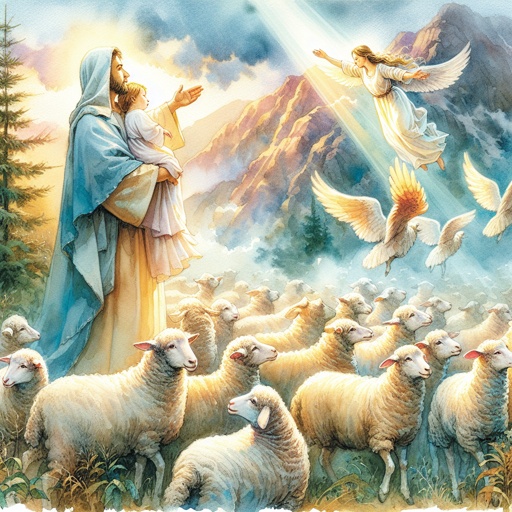
Psalms 44:7 Artwork

Psalms 44:7 - "But thou hast saved us from our enemies, and hast put them to shame that hated us."

"But thou hast saved us from our enemies, and hast put them to shame that hated us." - Psalms 44:7

Psalms 20 7

Psalms 78:44 - "And had turned their rivers into blood; and their floods, that they could not drink."

Psalms 105:44 - "And gave them the lands of the heathen: and they inherited the labour of the people;"

Psalms 44:16 - "For the voice of him that reproacheth and blasphemeth; by reason of the enemy and avenger."

"Thou art my King, O God: command deliverances for Jacob." - Psalms 44:4

"Wherefore hidest thou thy face, and forgettest our affliction and our oppression?" - Psalms 44:24

Psalms 44:21 - "Shall not God search this out? for he knoweth the secrets of the heart."

Psalms 44:26 - "Arise for our help, and redeem us for thy mercies' sake."

Psalms 106:44 - "Nevertheless he regarded their affliction, when he heard their cry:"

"Thou makest us a byword among the heathen, a shaking of the head among the people." - Psalms 44:14

Psalms 119:44 - "So shall I keep thy law continually for ever and ever."

Psalms 44:4 - "Thou art my King, O God: command deliverances for Jacob."

Psalms 44:14 - "Thou makest us a byword among the heathen, a shaking of the head among the people."

Psalms 44:12 - "Thou sellest thy people for nought, and dost not increase thy wealth by their price."

Psalms 44:24 - "Wherefore hidest thou thy face, and forgettest our affliction and our oppression?"

Psalms 44:6 - "For I will not trust in my bow, neither shall my sword save me."

Psalms 44:25 - "For our soul is bowed down to the dust: our belly cleaveth unto the earth."

"As soon as they hear of me, they shall obey me: the strangers shall submit themselves unto me." - Psalms 18:44

Psalms 44:23 - "Awake, why sleepest thou, O Lord? arise, cast us not off for ever."

Psalms 89:44 - "Thou hast made his glory to cease, and cast his throne down to the ground."

"If we have forgotten the name of our God, or stretched out our hands to a strange god;" - Psalms 44:20

Psalms 44:9 - "But thou hast cast off, and put us to shame; and goest not forth with our armies."

Psalms 44:15 - "My confusion is continually before me, and the shame of my face hath covered me,"

Psalms 44:8 - "In God we boast all the day long, and praise thy name for ever. Selah."

Psalms 44:13 - "Thou makest us a reproach to our neighbours, a scorn and a derision to them that are round about us."

Psalms 44:10 - "Thou makest us to turn back from the enemy: and they which hate us spoil for themselves."

Psalms 44:20 - "If we have forgotten the name of our God, or stretched out our hands to a strange god;"
psalm 80:1-7