What does Psalms 41:6 mean?
"And if he come to see me, he speaketh vanity: his heart gathereth iniquity to itself; when he goeth abroad, he telleth it." - Psalms 41:6
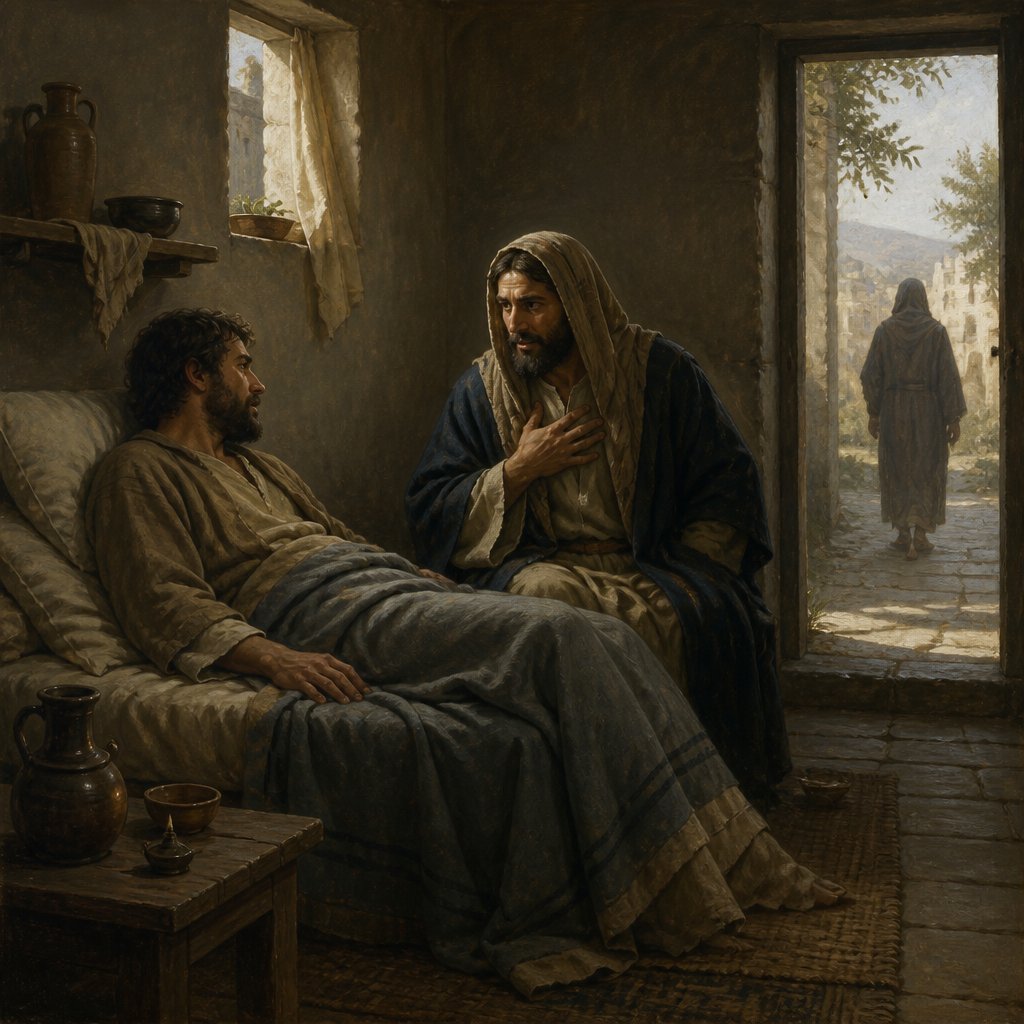
The Bible verse Psalms 41:6 in the King James Version (KJV) states, "And if he come to see me, he speaketh vanity: his heart gathereth iniquity to itself; when he goeth abroad, he telleth it." This verse is part of a longer psalm attributed to King David, and it reflects the poet's feelings of betrayal and persecution by his enemies. The verse serves as an example of the psalmist's struggle with deceit and wickedness.
The theme of betrayal and deceit is a central theme in this verse. The psalmist feels that even those who come to visit him only speak lies and gather iniquity in their hearts. The imagery used here, of someone coming to see the psalmist and then going abroad to tell lies, paints a picture of the treachery and dishonesty that the psalmist feels surrounded by. This theme of betrayal is one that resonates with many people, as feelings of being stabbed in the back or let down by those we trust are common human experiences.
In the broader context of the book of Psalms, this verse is part of a collection of poems and songs that express a wide range of human emotions, from despair and anguish to praise and thanksgiving. The psalms are often used as a source of comfort and inspiration for believers, as they cover a wide range of experiences and struggles that are common to humanity.
The verse also carries symbolism that is relevant to the broader message of the Bible. The image of someone speaking vanity and gathering iniquity in their heart can be seen as a representation of the sinful nature of humanity. The Bible teaches that all humans are born with a sinful nature, and it is only through the grace of God that we can be saved from this inherent wickedness. The verse serves as a reminder of the fallen nature of humanity and the need for redemption.
The verse also reflects the broader biblical theme of the struggle between good and evil. Throughout the Bible, there are numerous instances of people being tempted by sin and deceit, and the consequences of giving in to these temptations. The psalmist's experience of being surrounded by those who speak lies and gather iniquity serves as a reminder of the constant battle between good and evil that is present in the world.
In a broader historical and cultural context, this verse can be seen as reflecting the struggles of the Israelites as they sought to live according to God's laws in the midst of a corrupt and deceitful world. The Israelites often faced persecution and betrayal from their enemies, and the psalms served as a way for them to express their emotions and seek comfort from God.
In conclusion, Psalms 41:6 in the King James Version is a powerful and evocative verse that reflects the themes of betrayal, deceit, and the struggle between good and evil. It serves as a poignant reminder of the fallen nature of humanity and the need for redemption, as well as a source of comfort and inspiration for believers facing similar struggles. The verse's rich symbolism and broader biblical context make it a relevant and timeless message for readers throughout history.
Have questions about Psalms 41:6?
Dive deeper into this scripture with Bible Chat — an AI-powered tool for exploring God's Word through conversation. Ask questions, get context, and grow in your understanding of the Bible.
Get Our Apps


Psalms 41:6 Artwork

Psalms 41:6 - "And if he come to see me, he speaketh vanity: his heart gathereth iniquity to itself; when he goeth abroad, he telleth it."
"And if he come to see me, he speaketh vanity: his heart gathereth iniquity to itself; when he goeth abroad, he telleth it." - Psalms 41:6

Psalms 89:41 - "All that pass by the way spoil him: he is a reproach to his neighbours."

Psalms 126:6

Psalms 41:1 - "Blessed is he that considereth the poor: the LORD will deliver him in time of trouble."

Psalms 41:13 - "Blessed be the LORD God of Israel from everlasting, and to everlasting. Amen, and Amen."

Psalms 78:41 - "Yea, they turned back and tempted God, and limited the Holy One of Israel."
Psalms 115:6 - "They have ears, but they hear not: noses have they, but they smell not:"

Psalms 18:41 - "They cried, but there was none to save them: even unto the LORD, but he answered them not."

Psalms 106:41 - "And he gave them into the hand of the heathen; and they that hated them ruled over them."

Psalms 30:6 - "And in my prosperity I said, I shall never be moved."
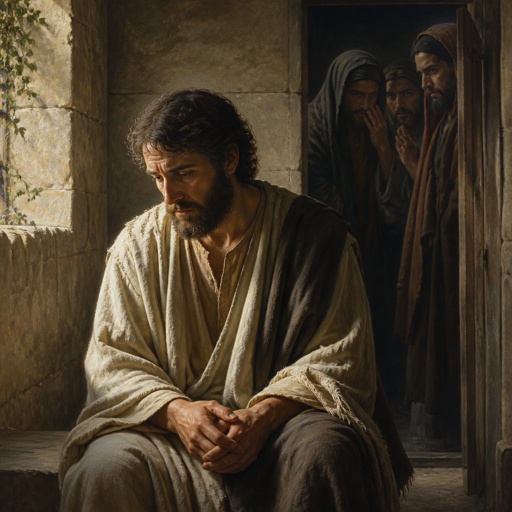
"Mine enemies speak evil of me, When shall he die, and his name perish?" - Psalms 41:5

Psalms 105:41 - "He opened the rock, and the waters gushed out; they ran in the dry places like a river."

Psalms 41:5 - "Mine enemies speak evil of me, When shall he die, and his name perish?"

Psalms 107:41 - "Yet setteth he the poor on high from affliction, and maketh him families like a flock."

Psalms 41:12 - "And as for me, thou upholdest me in mine integrity, and settest me before thy face for ever."

Psalms 41:11 - "By this I know that thou favourest me, because mine enemy doth not triumph over me."

Psalms 41:10 - "But thou, O LORD, be merciful unto me, and raise me up, that I may requite them."

Psalms 41:7 - "All that hate me whisper together against me: against me do they devise my hurt."

Psalms 129:6 - "Let them be as the grass upon the housetops, which withereth afore it groweth up:"

Psalms 144:6 - "Cast forth lightning, and scatter them: shoot out thine arrows, and destroy them."

Psalms 74:6 - "But now they break down the carved work thereof at once with axes and hammers."

Psalms 41:3 - "The LORD will strengthen him upon the bed of languishing: thou wilt make all his bed in his sickness."

"But thou, O LORD, be merciful unto me, and raise me up, that I may requite them." - Psalms 41:10

Psalms 6:6

Psalms 80:6 - "Thou makest us a strife unto our neighbours: and our enemies laugh among themselves."

Psalms 114:6 - "Ye mountains, that ye skipped like rams; and ye little hills, like lambs?"

Psalms 41:4 - "I said, LORD, be merciful unto me: heal my soul; for I have sinned against thee."

Psalms 119:41 - "Let thy mercies come also unto me, O LORD, even thy salvation, according to thy word."

"They slay the widow and the stranger, and murder the fatherless." - Psalms 94:6