What does Psalms 36:2 mean?
"For he flattereth himself in his own eyes, until his iniquity be found to be hateful." - Psalms 36:2

The Bible verse Psalms 36:2 in the King James Version (KJV) reads, "For he flattereth himself in his own eyes, until his iniquity be found to be hateful." This verse comes from the Book of Psalms, which is a collection of sacred hymns used in Jewish and Christian worship. The Book of Psalms is often attributed to David, the king of Israel, and is known for its poetic and emotional expressions of faith, lament, praise, and thanksgiving.
In order to understand the full meaning and significance of Psalms 36:2, it is important to examine the verse in its broader context within Psalm 36. The psalm as a whole reflects on the wickedness of humanity and contrasts it with the steadfast love and faithfulness of God. The psalmist begins by describing the wicked as those who have no fear of God, no regard for justice, and no understanding of their own sinfulness. They are described as being full of deceit and cunning, and they plot to do evil rather than good. This sets the stage for the specific verse in question, which highlights the arrogance and self-deception of the wicked.
The verse begins with the phrase, "For he flattereth himself in his own eyes." This points to the self-deception and pride of the wicked, who praise and compliment themselves rather than seeking truth and righteousness. This self-flattery leads to a distorted and false view of oneself, which ultimately leads to sin and iniquity. The following phrase, "until his iniquity be found to be hateful," suggests that the true nature of the wicked's actions will eventually be exposed and despised. This highlights the theme of moral accountability and the inevitable consequences of sin.
One of the key themes in Psalms 36:2 is the contrast between the righteous and the wicked. The psalmist emphasizes the righteousness and faithfulness of God, contrasting it with the deceit and arrogance of the wicked. This serves as a reminder of the ultimate triumph of good over evil and God's sovereignty over all creation. The verse also underscores the importance of self-awareness and humility, as the wicked's self-flattery and pride ultimately lead to their downfall.
The symbolism in Psalms 36:2 is also significant. The image of someone "flattereth himself in his own eyes" conveys the idea of self-absorption and vanity. This can be seen as a warning against the dangers of pride and self-centeredness, which ultimately lead to sin and separation from God. The reference to iniquity being "found to be hateful" symbolizes the ultimate rejection of sin by God and humanity. It serves as a reminder that true beauty and worth come from living in alignment with God's will and not from self-serving and deceitful behavior.
In terms of historical and cultural context, Psalms 36:2 reflects the understanding of sin and morality in ancient Israelite society. The idea of moral accountability and the consequences of sin were central to the religious and ethical teachings of the Israelites. This verse would have resonated with the community as a call to self-examination and repentance, as well as a reminder of the ultimate judgment and justice of God.
In conclusion, Psalms 36:2 is a powerful and evocative verse that highlights the themes of moral accountability, self-deception, and the contrast between the righteous and the wicked. It serves as a warning against pride and self-flattery, and a reminder of the ultimate consequences of sin. The verse also symbolizes the rejection of self-centeredness and deceit, and the embrace of humility and righteousness.Ultimately, Psalms 36:2 serves as a timeless reflection on the nature of sin and the enduring faithfulness of God.
Have questions about Psalms 36:2?
Dive deeper into this scripture with Bible Chat — an AI-powered tool for exploring God's Word through conversation. Ask questions, get context, and grow in your understanding of the Bible.
Get Our Apps


Psalms 36:2 Artwork

Psalms 36:2 - "For he flattereth himself in his own eyes, until his iniquity be found to be hateful."

"For he flattereth himself in his own eyes, until his iniquity be found to be hateful." - Psalms 36:2

Psalms 36 verse 3-6

Psalms 81:2 - "Take a psalm, and bring hither the timbrel, the pleasant harp with the psaltery."

"He smote also all the firstborn in their land, the chief of all their strength." - Psalms 105:36

Psalms 119:36 - "Incline my heart unto thy testimonies, and not to covetousness."

Psalms 106:36 - "And they served their idols: which were a snare unto them."

"Thy mercy, O LORD, is in the heavens; and thy faithfulness reacheth unto the clouds." - Psalms 36:5

Psalms 36:12 - "There are the workers of iniquity fallen: they are cast down, and shall not be able to rise."

Psalms 107:36 - "And there he maketh the hungry to dwell, that they may prepare a city for habitation;"

Psalms 78:36 - "Nevertheless they did flatter him with their mouth, and they lied unto him with their tongues."

Psalms 105:36 - "He smote also all the firstborn in their land, the chief of all their strength."

Psalms 36:9 - "For with thee is the fountain of life: in thy light shall we see light."

Psalms 36:5 - "Thy mercy, O LORD, is in the heavens; and thy faithfulness reacheth unto the clouds."

Psalms 89:36 - "His seed shall endure for ever, and his throne as the sun before me."

Psalms 18:36 - "Thou hast enlarged my steps under me, that my feet did not slip."

Psalms 36:1 - "The transgression of the wicked saith within my heart, that there is no fear of God before his eyes."

Psalms 36:11 - "Let not the foot of pride come against me, and let not the hand of the wicked remove me."

Psalms 69:36 - "The seed also of his servants shall inherit it: and they that love his name shall dwell therein."

Psalms 36:10 - "O continue thy lovingkindness unto them that know thee; and thy righteousness to the upright in heart."

Psalms 36:3 - "The words of his mouth are iniquity and deceit: he hath left off to be wise, and to do good."

Psalms 37:36 - "Yet he passed away, and, lo, he was not: yea, I sought him, but he could not be found."
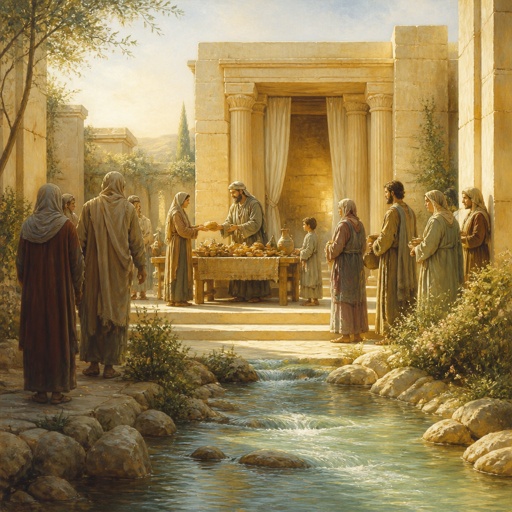
"They shall be abundantly satisfied with the fatness of thy house; and thou shalt make them drink of the river of thy pleasures." - Psalms 36:8

Psalms 36:8 - "They shall be abundantly satisfied with the fatness of thy house; and thou shalt make them drink of the river of thy pleasures."

Psalms 36:4 - "He deviseth mischief upon his bed; he setteth himself in a way that is not good; he abhorreth not evil."
Psalms 64:2 - "Hide me from the secret counsel of the wicked; from the insurrection of the workers of iniquity:"

Psalms 115:2 - "Wherefore should the heathen say, Where is now their God?"

"Take a psalm, and bring hither the timbrel, the pleasant harp with the psaltery." - Psalms 81:2

Psalms 36:7 - "How excellent is thy lovingkindness, O God! therefore the children of men put their trust under the shadow of thy wings."

Psalms 36:6 - "Thy righteousness is like the great mountains; thy judgments are a great deep: O LORD, thou preservest man and beast."