What does Psalms 36:1 mean?
"The transgression of the wicked saith within my heart, that there is no fear of God before his eyes." - Psalms 36:1
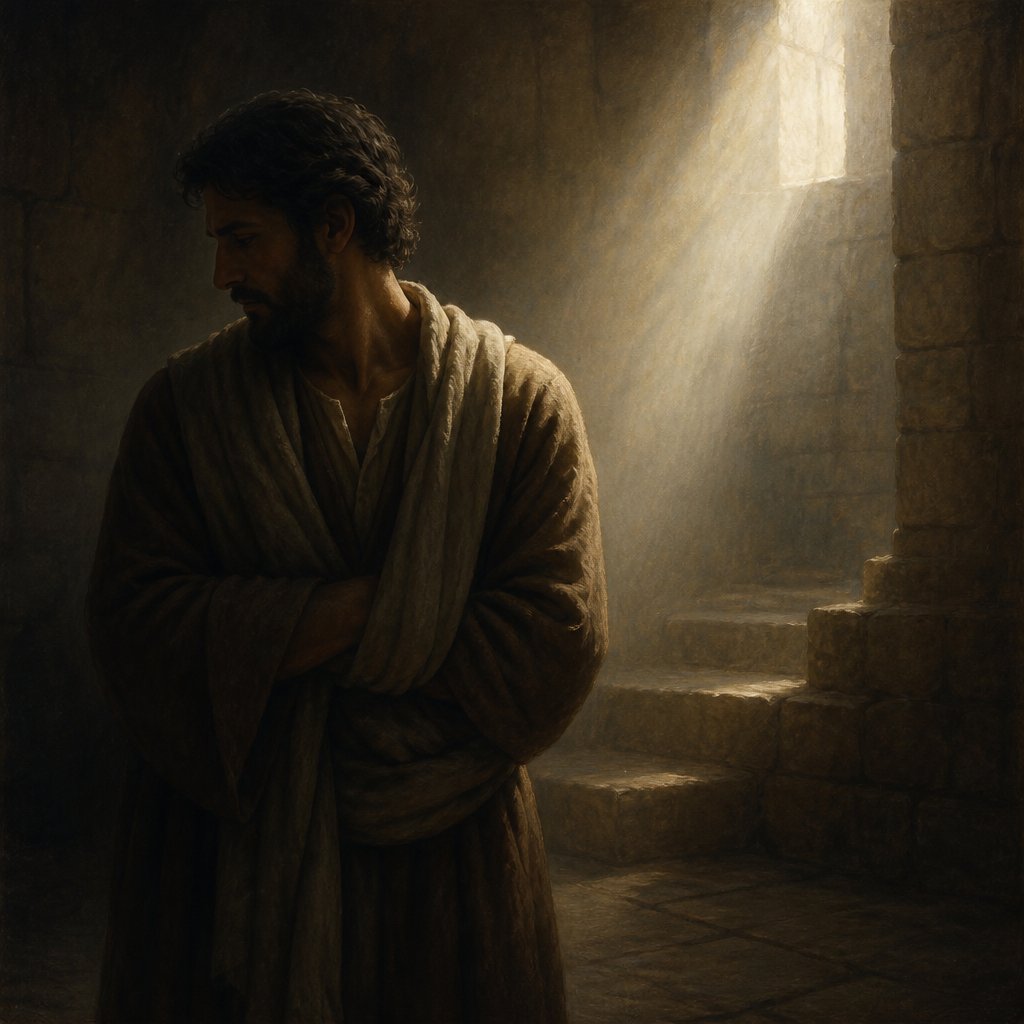
Psalms 36:1 in the King James Version (KJV) of the Bible reads, "The transgression of the wicked saith within my heart, that there is no fear of God before his eyes." This verse is just the first of a powerful and thought-provoking psalm that explores the contrast between the righteous and the wicked, the mercy and faithfulness of God, and the pride and self-deceit of human beings.
The psalmist begins by acknowledging the nature of the wicked, recognizing that their transgression speaks to the very core of their being. The word "transgression" in Hebrew refers to an act of rebellion or defiance against authority. The psalmist is aware that the wicked have turned their backs on God and are living in a state of rebellion against His commands. The word "saith" here suggests that the transgression speaks loudly and clearly, testifying not just to the actions of the wicked, but to the state of their hearts. The psalmist is deeply disturbed by the fact that the wicked have no fear of God before their eyes, meaning that they do not have a reverential awe or respect for His holiness and authority. This lack of fear leads them to act in unrighteous and sinful ways, contributing to the corruption and brokenness of the world.
The theme of the fear of the Lord is a prominent one throughout the book of Psalms and the Bible as a whole. Proverbs 9:10 tells us that "The fear of the Lord is the beginning of wisdom, and the knowledge of the Holy One is understanding." The fear of the Lord encompasses a sense of awe, reverence, and obedience towards God. It is an acknowledgment of His sovereignty and holiness, leading to a desire to live in accordance with His will. The absence of this fear in the heart of the wicked is a cause for great concern, as it signifies a fundamental rejection of God and His ways. This verse serves as a sobering reminder of the consequences of living a life detached from the fear of the Lord.
The context of this psalm is also crucial to understanding its significance. The psalms, being a collection of poetic expressions and songs, cover a wide range of themes and emotions. Many of them delve into the struggles and triumphs of the human experience, providing comfort and guidance for believers. In this particular psalm, the psalmist is contrasting the righteous and the wicked, highlighting the stark differences in their attitudes and actions. The righteous are depicted as those who trust in the steadfast love and faithfulness of God, finding refuge and satisfaction in His presence. In contrast, the wicked are characterized by pride, deceit, and a lack of reverence for God. The psalmist laments the destructive nature of the wicked and calls upon God to continue His work of deliverance and justice.
Symbolism also plays a significant role in the interpretation of this verse. The "heart" is often used symbolically throughout the Bible to represent the innermost being of a person, including their thoughts, emotions, and motivations. In this verse, the psalmist is expressing the internal turmoil and conflict that arises from observing the actions of the wicked. The lack of fear of God before their eyes reflects a spiritual blindness and hardness of heart that separates them from the truth and righteousness. This symbolism serves as a warning to believers to guard their hearts and nurture a reverence for God, recognizing the impact it has on their actions and attitudes.
In conclusion, Psalms 36:1 in the King James Version offers a profound reflection on the nature of the wicked and the importance of the fear of the Lord. It serves as a poignant reminder of the consequences of living a life without reverence and obedience towards God. The eloquence and depth of this verse invite readers to consider their own relationship with God and to strive for a heart that is characterized by humility, awe, and devotion. Through its exploration of themes such as righteousness, wickedness, and the fear of the Lord, this verse continues to resonate with believers and challenge them to pursue a life that honors and glorifies God.
Have questions about Psalms 36:1?
Dive deeper into this scripture with Bible Chat — an AI-powered tool for exploring God's Word through conversation. Ask questions, get context, and grow in your understanding of the Bible.
Get Our Apps


Psalms 36:1 Artwork

Psalms 36:1 - "The transgression of the wicked saith within my heart, that there is no fear of God before his eyes."
"The transgression of the wicked saith within my heart, that there is no fear of God before his eyes." - Psalms 36:1

Psalms 36 verse 3-6

"He smote also all the firstborn in their land, the chief of all their strength." - Psalms 105:36

Psalms 119:36 - "Incline my heart unto thy testimonies, and not to covetousness."

Psalms 106:36 - "And they served their idols: which were a snare unto them."

"Thy mercy, O LORD, is in the heavens; and thy faithfulness reacheth unto the clouds." - Psalms 36:5

Psalms 36:12 - "There are the workers of iniquity fallen: they are cast down, and shall not be able to rise."

Psalms 107:36 - "And there he maketh the hungry to dwell, that they may prepare a city for habitation;"

Psalms 78:36 - "Nevertheless they did flatter him with their mouth, and they lied unto him with their tongues."

Psalms 105:36 - "He smote also all the firstborn in their land, the chief of all their strength."

Psalms 36:9 - "For with thee is the fountain of life: in thy light shall we see light."

Psalms 36:5 - "Thy mercy, O LORD, is in the heavens; and thy faithfulness reacheth unto the clouds."

Psalms 89:36 - "His seed shall endure for ever, and his throne as the sun before me."

Psalms 36:2 - "For he flattereth himself in his own eyes, until his iniquity be found to be hateful."

Psalms 18:36 - "Thou hast enlarged my steps under me, that my feet did not slip."

Psalms 36:11 - "Let not the foot of pride come against me, and let not the hand of the wicked remove me."

Psalms 69:36 - "The seed also of his servants shall inherit it: and they that love his name shall dwell therein."
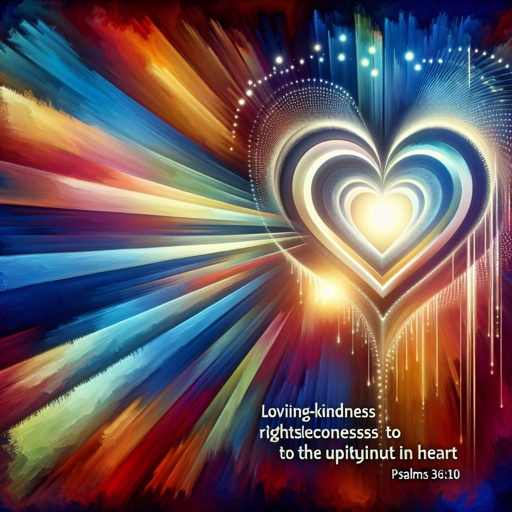
Psalms 36:10 - "O continue thy lovingkindness unto them that know thee; and thy righteousness to the upright in heart."
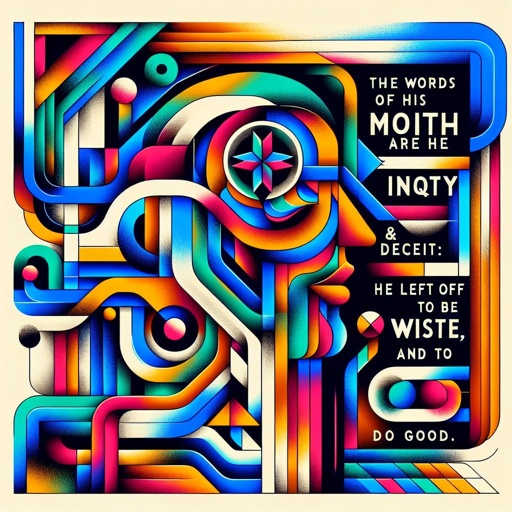
Psalms 36:3 - "The words of his mouth are iniquity and deceit: he hath left off to be wise, and to do good."

Psalms 37:36 - "Yet he passed away, and, lo, he was not: yea, I sought him, but he could not be found."
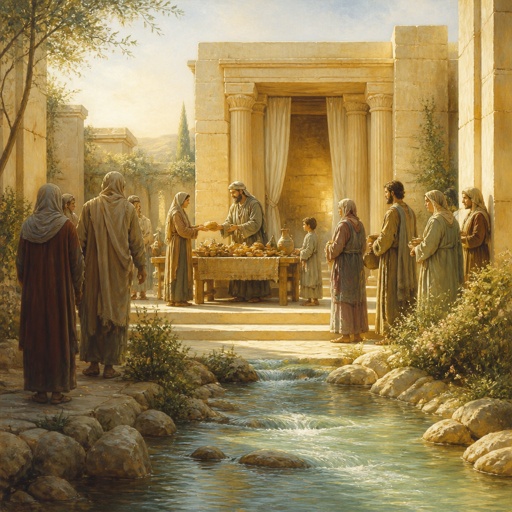
"They shall be abundantly satisfied with the fatness of thy house; and thou shalt make them drink of the river of thy pleasures." - Psalms 36:8

Psalms 36:8 - "They shall be abundantly satisfied with the fatness of thy house; and thou shalt make them drink of the river of thy pleasures."

Psalms 36:4 - "He deviseth mischief upon his bed; he setteth himself in a way that is not good; he abhorreth not evil."

Psalms 36:7 - "How excellent is thy lovingkindness, O God! therefore the children of men put their trust under the shadow of thy wings."

Psalms 36:6 - "Thy righteousness is like the great mountains; thy judgments are a great deep: O LORD, thou preservest man and beast."

"Thy righteousness is like the great mountains; thy judgments are a great deep: O LORD, thou preservest man and beast." - Psalms 36:6
psalm 80:1-7
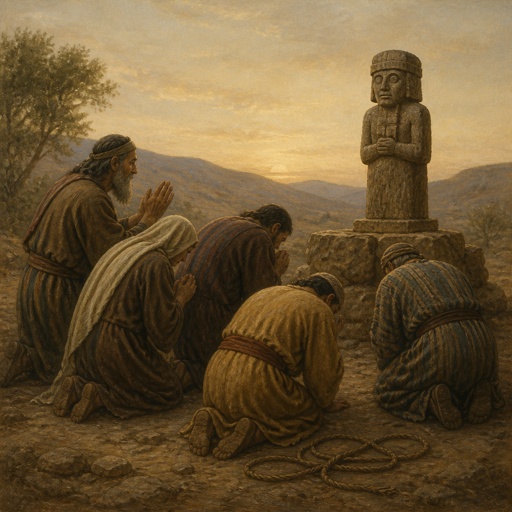
"And they served their idols: which were a snare unto them." - Psalms 106:36
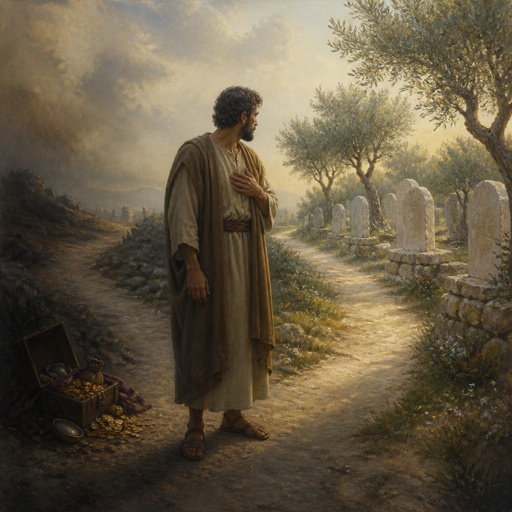
"Incline my heart unto thy testimonies, and not to covetousness." - Psalms 119:36