What does Psalms 18:30 mean?
"As for God, his way is perfect: the word of the LORD is tried: he is a buckler to all those that trust in him." - Psalms 18:30

Psalm 18:30 in the King James Version reads, “As for God, his way is perfect: the word of the LORD is tried: he is a buckler to all those that trust in him.” In one sentence David gathers up the whole testimony of the psalm and turns it into a confession meant to be believed, not merely admired. The verse is not written as abstract theology; it rises out of a life that has been pressed, hunted, and delivered. Psalm 18 as a whole is David’s song “in the day that the LORD delivered him from the hand of all his enemies, and from the hand of Saul.” It is a long remembrance of distress and rescue: danger like cords and floods, divine intervention like thunder and fire, and a final setting of David “in a large place.” Against that backdrop, Psalm 18:30 reads like the settled conclusion of a man who has tested God’s faithfulness in the furnace of real conflict.
When David says, “As for God, his way is perfect,” he is speaking about God’s manner of working, God’s path of providence, and God’s governance of events. “Way” in this context is not merely God’s moral purity, though that is included; it is the shape of God’s dealings with David and with the world. “Perfect” does not mean “comfortable” or “immediately understandable.” It means whole, complete, without defect, lacking nothing in wisdom or righteousness. In the psalm David has described seasons when he was pursued, hemmed in, and apparently powerless, yet those very pressures became the road by which God displayed deliverance and established David. The perfection of God’s way therefore includes timing as well as outcome: God’s route may wind through caves, battlefields, and waiting, but it does not wander; it arrives with purpose intact. The verse invites the reader to interpret life not only by its pain, but by the character of the One directing it.
The next clause explains why David can speak with such confidence: “the word of the LORD is tried.” The “word of the LORD” is what God has spoken—his promises, his commands, his declarations. “Tried” carries the sense of being proved, tested, refined, and found true, as metal is tried in the fire. In Psalm 18 the “trying” is not theoretical. David has lived under divine promises and has watched them stand up under strain. The imagery of trial suggests that God’s word is not fragile; it does not fail when put under the weight of fear, delay, opposition, or human betrayal. It also suggests purity: what emerges from being “tried” is what can be trusted without mixture. David is saying that when everything else is uncertain, God’s speech is not. It has passed through the testing ground of history and the testing ground of experience and has not been found wanting.
Then David moves from God’s way and God’s word to God himself as protection: “he is a buckler to all those that trust in him.” A “buckler” in the KJV is a shield, a piece of defensive armor carried into conflict. The symbolism is important. David has been describing warfare, pursuit, and violent threats, and into that world he does not merely place an idea, but a Person who functions as defense. The buckler does not remove the existence of battle; it stands between the warrior and the weapon. In the same way, David is not claiming that trust in God means no arrows are ever shot. He is claiming that God interposes himself between the trusting soul and ultimate harm, and that God’s protection is active and personal. The language also implies nearness. A shield is not stored in a distant armory; it is held close, ready, and used. Thus God’s defense is not only a future hope but a present refuge.
The condition David emphasizes is “trust.” The buckler is “to all those that trust in him.” The verse does not present trust as a meritorious work that earns safety; it presents trust as the posture that receives what God is. In the psalm David repeatedly describes calling upon the LORD, leaning upon him, being taught by him, and being rescued by him. Trust is the thread that connects God’s tried word to the believer’s lived reality. Because God’s word is proved, trust is reasonable; because God’s way is perfect, trust is safe; because God is a buckler, trust is not naïve but wise.
Taken together, Psalm 18:30 has a strong internal movement. God’s way is perfect: there is no flaw in what he does. God’s word is tried: there is no failure in what he says. God is a buckler: there is no insecurity for those who rest upon him. The verse is therefore a compact statement of divine reliability. It addresses the mind with the perfection of God’s way, the heart with the proven truth of God’s word, and the survival instinct with the image of a shield in battle.
The significance of the verse is that it teaches the reader how to interpret deliverance and hardship in the same light. David is not praising God only because things turned out well; he is praising God because, through the entire ordeal, God remained who he is. The perfection of God’s way means that even the path through danger can be part of a flawless design. The tried word of the LORD means that promises do not dissolve when circumstances threaten them. The buckler image means that in the midst of conflict, God’s presence is not merely a doctrine but a defense. Psalm 18:30 thus becomes a lens for faith: it calls the believer to measure God by his character and his tested word, and to answer the uncertainties of life with trust in the God whose way is perfect.
Have questions about Psalms 18:30?
Dive deeper into this scripture with Bible Chat — an AI-powered tool for exploring God's Word through conversation. Ask questions, get context, and grow in your understanding of the Bible.
Get Our Apps


Psalms 18:30 Artwork

Psalms 18:30 - "As for God, his way is perfect: the word of the LORD is tried: he is a buckler to all those that trust in him."

"As for God, his way is perfect: the word of the LORD is tried: he is a buckler to all those that trust in him." - Psalms 18:30

"As for God, his way is perfect: the word of the LORD is tried: he is a buckler to all those that trust in him." - Psalms 18:30

"As for God, his way is perfect: the word of the LORD is tried: he is a buckler to all those that trust in him." - Psalms 18:30

Psalms 30:6 - "And in my prosperity I said, I shall never be moved."

Psalms 30:10 - "Hear, O LORD, and have mercy upon me: LORD, be thou my helper."

Psalms 136:18 - "And slew famous kings: for his mercy endureth for ever:"

Psalms 22:18 - "They part my garments among them, and cast lots upon my vesture."

"They prevented me in the day of my calamity: but the LORD was my stay." - Psalms 18:18
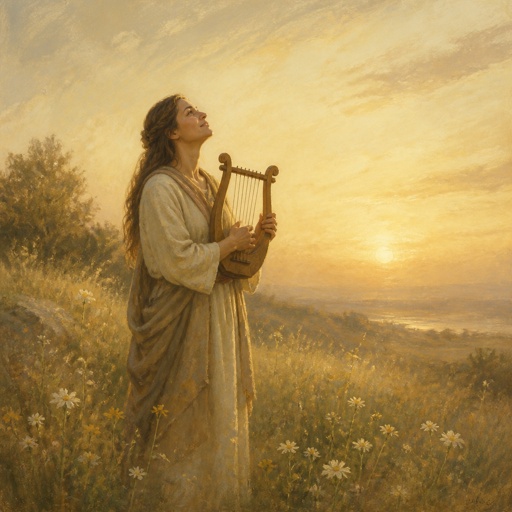
"I will praise the name of God with a song, and will magnify him with thanksgiving." - Psalms 69:30

"They were not estranged from their lust. But while their meat was yet in their mouths," - Psalms 78:30

"Then stood up Phinehas, and executed judgment: and so the plague was stayed." - Psalms 106:30

"The high hills are a refuge for the wild goats; and the rocks for the conies." - Psalms 104:18

Psalms 105:30 - "Their land brought forth frogs in abundance, in the chambers of their kings."

"I cried to thee, O LORD; and unto the LORD I made supplication." - Psalms 30:8

Psalms 22:30 - "A seed shall serve him; it shall be accounted to the Lord for a generation."

Psalms 37:30 - "The mouth of the righteous speaketh wisdom, and his tongue talketh of judgment."

Psalms 18:18 - "They prevented me in the day of my calamity: but the LORD was my stay."

"It is God that avengeth me, and subdueth the people under me." - Psalms 18:47

"The LORD knoweth the days of the upright: and their inheritance shall be for ever." - Psalms 37:18

Psalms 34:18

Psalms 34:18

Psalms 106:30 - "Then stood up Phinehas, and executed judgment: and so the plague was stayed."

Psalms 69:30 - "I will praise the name of God with a song, and will magnify him with thanksgiving."

Psalms 89:30 - "If his children forsake my law, and walk not in my judgments;"

Psalms 78:30 - "They were not estranged from their lust. But while their meat was yet in their mouths,"

"The strangers shall fade away, and be afraid out of their close places." - Psalms 18:45

"And slew famous kings: for his mercy endureth for ever:" - Psalms 136:18

Psalms 30:8 - "I cried to thee, O LORD; and unto the LORD I made supplication."

Psalms 107:30 - "Then are they glad because they be quiet; so he bringeth them unto their desired haven."