What does Psalms 16:10 mean?
"For thou wilt not leave my soul in hell; neither wilt thou suffer thine Holy One to see corruption." - Psalms 16:10

Psalms 16:10 from the King James Version of the Bible reads: "For thou wilt not leave my soul in hell; neither wilt thou suffer thine Holy One to see corruption."
This verse is found in the book of Psalms, which is a collection of religious songs, poems, and prayers traditionally attributed to King David. The Psalms are a central part of the Hebrew Bible and the Christian Old Testament and have been a source of comfort, inspiration, and worship for people for thousands of years.
The verse Psalms 16:10 has been interpreted in different ways by scholars, theologians, and religious leaders. It is a powerful affirmation of faith in the midst of uncertainty and suffering. The verse speaks to the belief in the afterlife, the promise of salvation, and the ultimate victory over death.
The verse begins with the declaration "For thou wilt not leave my soul in hell." This line is a statement of confidence and assurance in God's presence and protection. The word "hell" in this context is often understood as the place of the dead, not necessarily the hell of eternal punishment. The psalmist is expressing confidence that God will not abandon them even in the most dire circumstances.
The second part of the verse says "neither wilt thou suffer thine Holy One to see corruption." This line has been understood as a prophecy of the resurrection of Jesus Christ. In Christian theology, Jesus is often referred to as the "Holy One" or the "Anointed One" and his resurrection is seen as the fulfillment of this verse. The belief in the resurrection of Jesus is central to Christian faith and the verse Psalms 16:10 is often cited as a prophecy of this event.
The themes of trust, hope, and salvation are central to this verse. The psalmist is expressing their complete trust in God's faithfulness and their hope for deliverance from the powers of death and decay. This theme is echoed throughout the Psalms and is a recurring motif in the Hebrew Bible and the Christian New Testament.
The context of this verse is also important for understanding its meaning. The book of Psalms is a collection of songs and prayers that express a wide range of emotions and experiences. Many of the Psalms were written in times of distress, persecution, or uncertainty, and they reflect the struggles and triumphs of the people of Israel. Psalms 16 is attributed to David and is a prayer for protection and guidance in the midst of adversity. The verse Psalms 16:10 is a declaration of God's faithfulness and a source of comfort and strength for the psalmist.
The symbolism in this verse is rich and layered. The image of the soul not being left in hell can be understood as a metaphor for being rescued from despair and hopelessness. The promise that the Holy One will not see corruption symbolizes the triumph of life over death and the power of God to bring about new life and redemption.
In conclusion, Psalms 16:10 is a verse that is rich in meaning and significance. It speaks to the themes of trust, hope, and salvation and is a powerful declaration of God's faithfulness and power. The verse has been understood as a prophecy of the resurrection of Jesus Christ and has continued to be a source of comfort and inspiration for believers throughout the ages. It is a testament to the enduring power of the Psalms to speak to the human condition and to provide a source of strength and hope in the midst of adversity.
Have questions about Psalms 16:10?
Dive deeper into this scripture with Bible Chat — an AI-powered tool for exploring God's Word through conversation. Ask questions, get context, and grow in your understanding of the Bible.
Get Our Apps


Psalms 16:10 Artwork

Psalms 16:10 - "For thou wilt not leave my soul in hell; neither wilt thou suffer thine Holy One to see corruption."

"For thou wilt not leave my soul in hell; neither wilt thou suffer thine Holy One to see corruption." - Psalms 16:10

Psalms 10:16 - "The LORD is King for ever and ever: the heathen are perished out of his land."

psalms 92:10

psalms 92:10

psalms 92:10

psalms 85:10

psalms 92:10

Psalms 10:10 - "He croucheth, and humbleth himself, that the poor may fall by his strong ones."

Psalm 10:16-18

Psalms 115:16 - "The heaven, even the heavens, are the LORD'S: but the earth hath he given to the children of men."

"The LORD is King for ever and ever: the heathen are perished out of his land." - Psalms 10:16

Psalms 30:10 - "Hear, O LORD, and have mercy upon me: LORD, be thou my helper."

Psalms 29:10 (KJVA) 10 The LORD sitteth upon the flood; yea, the LORD sitteth King for ever.
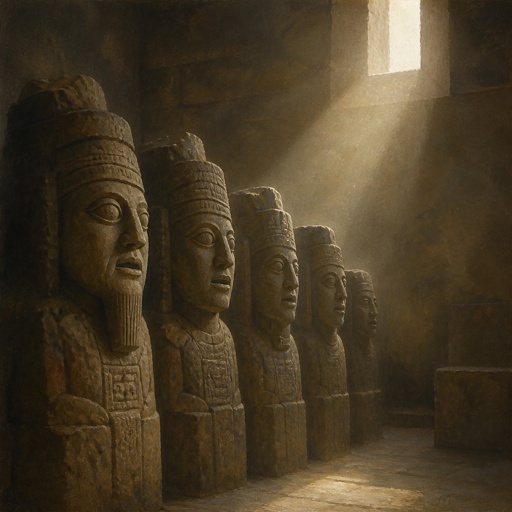
"They have mouths, but they speak not; eyes have they, but they see not;" - Psalms 135:16

"They envied Moses also in the camp, and Aaron the saint of the LORD." - Psalms 106:16

Psalms 39:10 - "Remove thy stroke away from me: I am consumed by the blow of thine hand."

"With hypocritical mockers in feasts, they gnashed upon me with their teeth." - Psalms 35:16

Psalms 94:16 - "Who will rise up for me against the evildoers? or who will stand up for me against the workers of iniquity?"

"Beasts, and all cattle; creeping things, and flying fowl:" - Psalms 148:10

"Thou openest thine hand, and satisfiest the desire of every living thing." - Psalms 145:16

"They kept not the covenant of God, and refused to walk in his law;" - Psalms 78:10

psalms 92:10

psalms 92:10

"It is burned with fire, it is cut down: they perish at the rebuke of thy countenance." - Psalms 80:16

"With long life will I satisfy him, and shew him my salvation." - Psalms 91:16

psalms 92:10

psalms 92:10

"He sendeth the springs into the valleys, which run among the hills." - Psalms 104:10

"Who smote great nations, and slew mighty kings;" - Psalms 135:10