What does Psalms 149:3 mean?
"Let them praise his name in the dance: let them sing praises unto him with the timbrel and harp." - Psalms 149:3
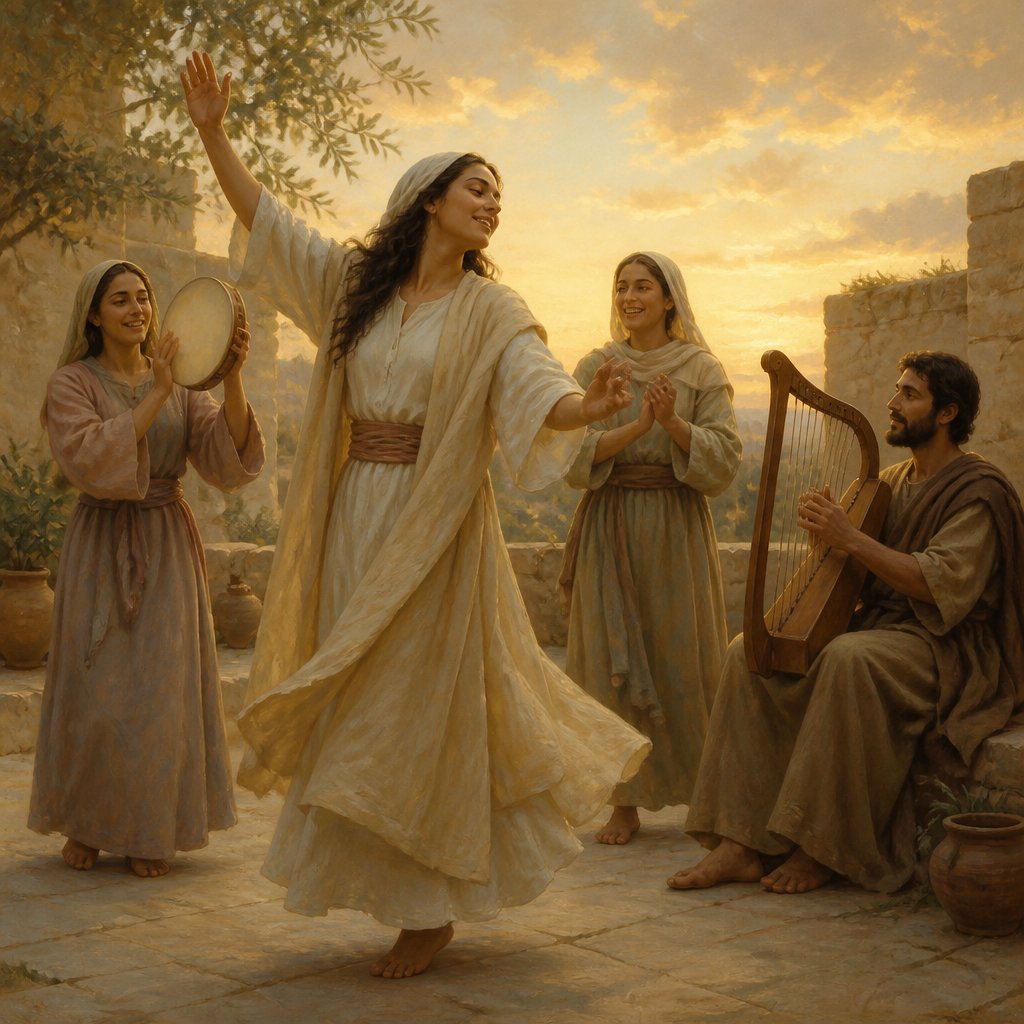
Psalms 149:3 from the King James Version of the Bible reads, "Let them praise his name in the dance: let them sing praises unto him with the timbrel and harp."
This verse is part of a larger psalm that is a call to praise and worship God. The psalmist is exhorting the people to express their praise and adoration for God in a joyful and exuberant manner. The use of the dance, the timbrel, and the harp in this verse highlights the sense of celebration and joy that should accompany our worship of God.
The theme of this verse is the joy and exuberance of worshiping God. It emphasizes that our worship should not be a somber or routine experience, but rather a joyful and celebratory one. The use of the dance, the timbrel, and the harp are all forms of artistic expression that can be used to glorify God. This verse encourages us to worship God with all of our being, engaging both our bodies and our spirits in the act of praise.
The context of this verse is important to understand its full meaning. The entire psalm is a call to praise and worship God, and it is set within the larger context of the book of Psalms, which is a collection of prayers, hymns, and songs that express the range of human emotions and experiences in relation to God. In this particular psalm, the writer is calling upon the people to sing a new song to the Lord and to rejoice in their King (v.2). The psalmist calls for God's people to praise Him for His love and faithfulness, for His victory and vindication of His people, and the punishment of the wicked (v.4-9). It is in this context of victory and joy that the call to praise God in the dance, with the timbrel and harp, is given.
The symbolism in this verse is rich and significant. The dance, the timbrel, and the harp are all ancient forms of artistic expression that were commonly used in religious and cultural celebrations. The dance is a physical expression of joy and celebration, while the timbrel and harp are musical instruments that are used to create joyful and uplifting sounds. These forms of artistic expression are powerful symbols of the human spirit and its capacity for joy and creativity. When the psalmist uses these symbols to express the act of worshiping God, it emphasizes the idea that our worship should engage both our physical and spiritual selves, and it should be an expression of joy and celebration.
Overall, Psalms 149:3 is a powerful call to worship God with joy and exuberance. It reminds us that our worship should be a celebration of God's love and faithfulness, and it should engage our entire being in joyful and creative expression. This verse is a reminder to approach our worship with a sense of joy and celebration, and to use our gifts and talents to glorify God in all that we do.
Have questions about Psalms 149:3?
Dive deeper into this scripture with Bible Chat — an AI-powered tool for exploring God's Word through conversation. Ask questions, get context, and grow in your understanding of the Bible.
Get Our Apps


Psalms 149:3 Artwork

Psalms 149:3 - "Let them praise his name in the dance: let them sing praises unto him with the timbrel and harp."
"Let them praise his name in the dance: let them sing praises unto him with the timbrel and harp." - Psalms 149:3
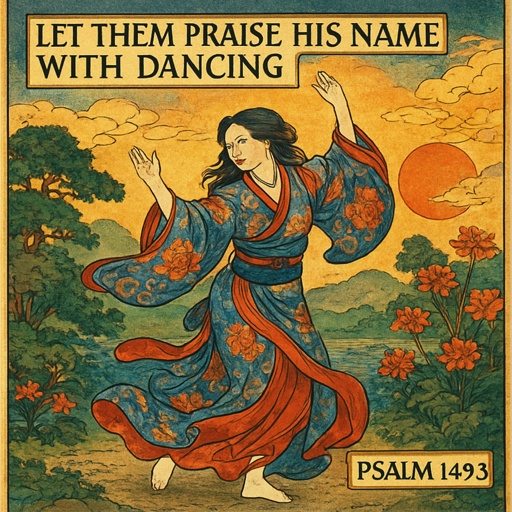
Psalm 149:3

Psalms 149:2 - "Let Israel rejoice in him that made him: let the children of Zion be joyful in their King."

"To bind their kings with chains, and their nobles with fetters of iron;" - Psalms 149:8

Psalms 149:8 - "To bind their kings with chains, and their nobles with fetters of iron;"

Psalms 149:7 - "To execute vengeance upon the heathen, and punishments upon the people;"

Psalms 149:6 - "Let the high praises of God be in their mouth, and a twoedged sword in their hand;"
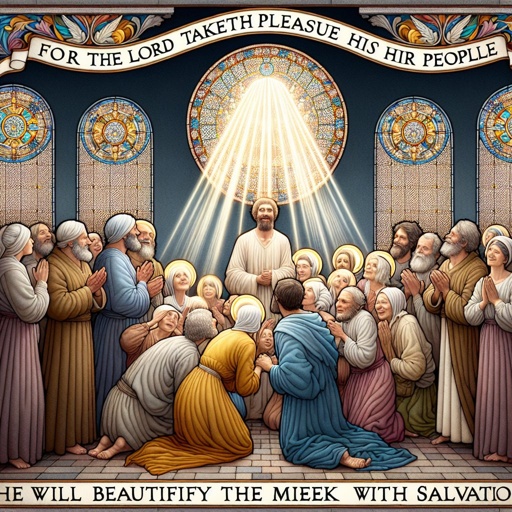
Psalms 149:4 - "For the LORD taketh pleasure in his people: he will beautify the meek with salvation."
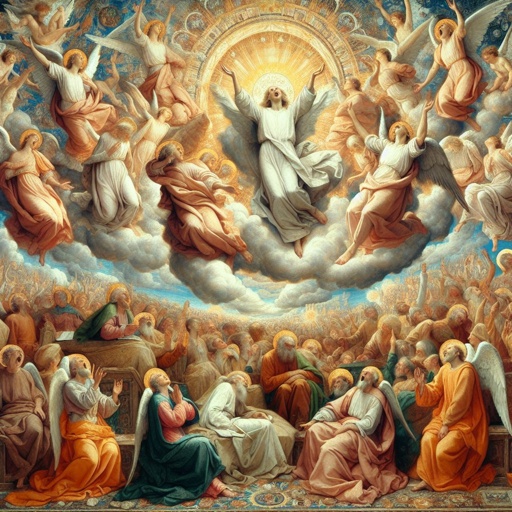
Psalms 149:5 - "Let the saints be joyful in glory: let them sing aloud upon their beds."
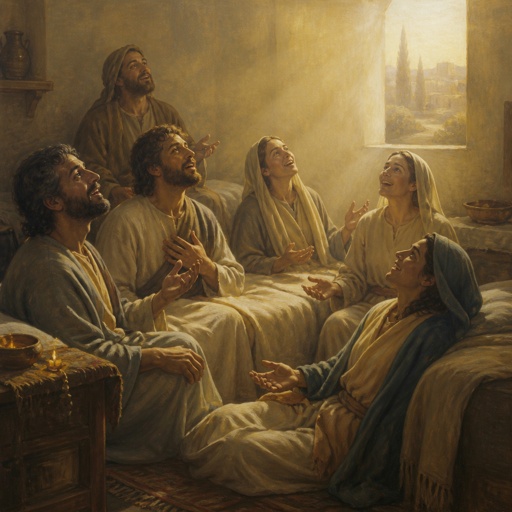
"Let the saints be joyful in glory: let them sing aloud upon their beds." - Psalms 149:5

Psalms 149:1 - "Praise ye the LORD. Sing unto the LORD a new song, and his praise in the congregation of saints."

Psalms 149:9 - "To execute upon them the judgment written: this honour have all his saints. Praise ye the LORD."
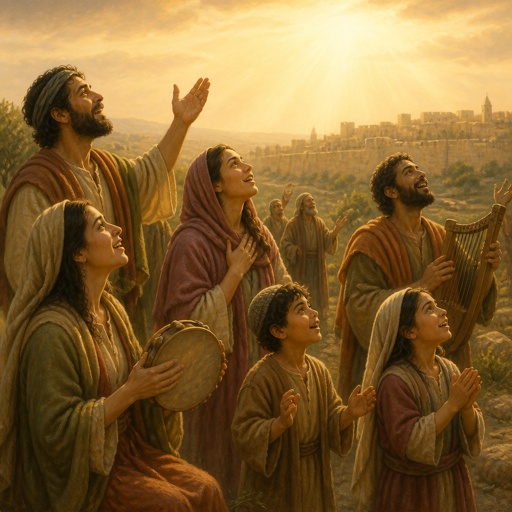
"Let Israel rejoice in him that made him: let the children of Zion be joyful in their King." - Psalms 149:2
Psalms 119:149 - "Hear my voice according unto thy lovingkindness: O LORD, quicken me according to thy judgment."
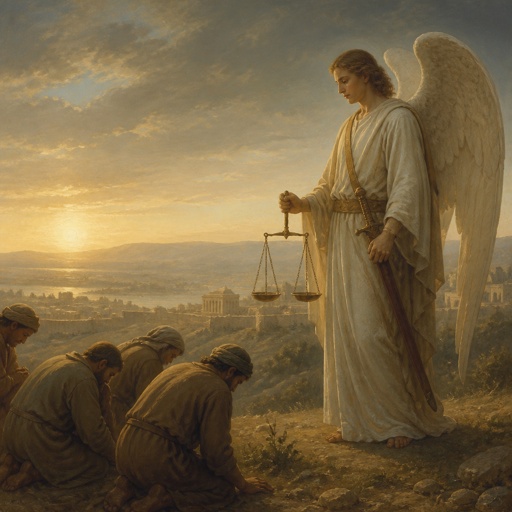
"To execute vengeance upon the heathen, and punishments upon the people;" - Psalms 149:7
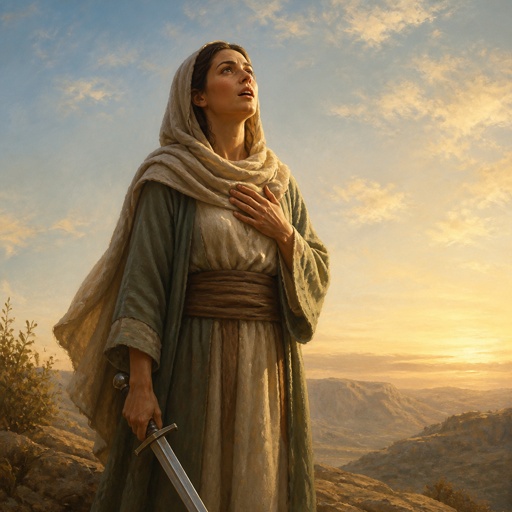
"Let the high praises of God be in their mouth, and a twoedged sword in their hand;" - Psalms 149:6
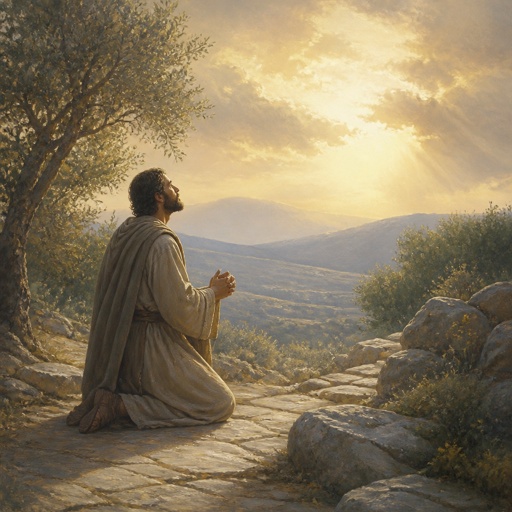
"Hear my voice according unto thy lovingkindness: O LORD, quicken me according to thy judgment." - Psalms 119:149
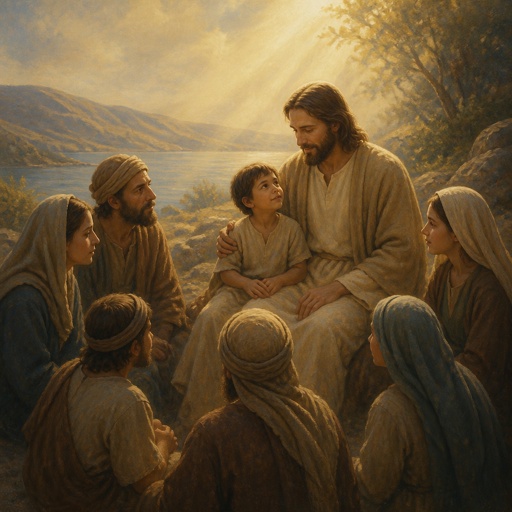
"For the LORD taketh pleasure in his people: he will beautify the meek with salvation." - Psalms 149:4
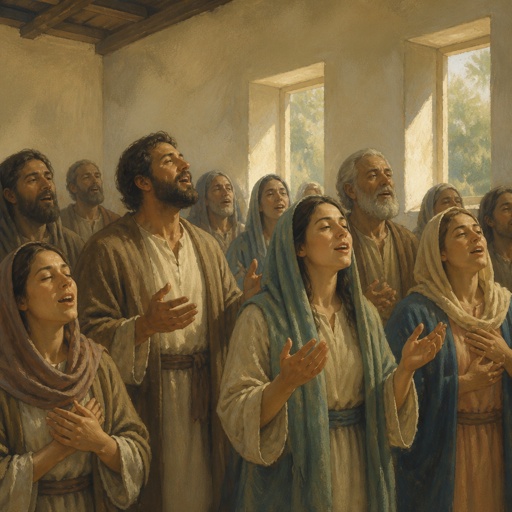
"Praise ye the LORD. Sing unto the LORD a new song, and his praise in the congregation of saints." - Psalms 149:1
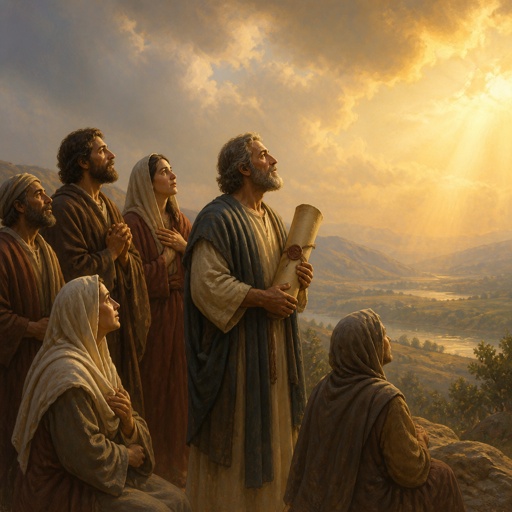
"To execute upon them the judgment written: this honour have all his saints. Praise ye the LORD." - Psalms 149:9
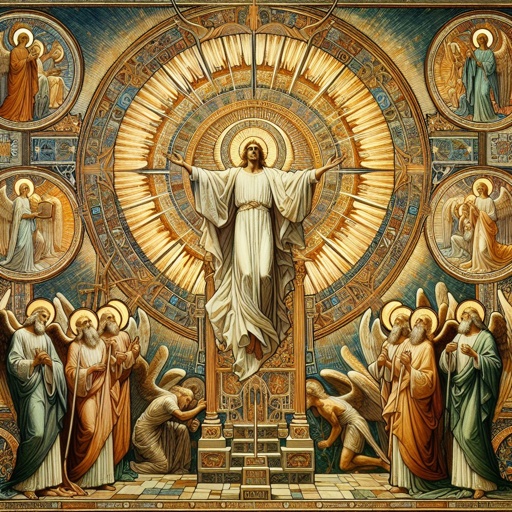
Psalms 111:3 - "His work is honourable and glorious: and his righteousness endureth for ever."

Psalms 88:3 - "For my soul is full of troubles: and my life draweth nigh unto the grave."

Psalms 103:3 - "Who forgiveth all thine iniquities; who healeth all thy diseases;"

Psalms 87:3 - "Glorious things are spoken of thee, O city of God. Selah."

Psalms 67:3 - "Let the people praise thee, O God; let all the people praise thee."

"Great is the LORD, and greatly to be praised; and his greatness is unsearchable." - Psalms 145:3

"He healeth the broken in heart, and bindeth up their wounds." - Psalms 147:3

Psalms 116:3 - "The sorrows of death compassed me, and the pains of hell gat hold upon me: I found trouble and sorrow."

"The sea saw it, and fled: Jordan was driven back." - Psalms 114:3