What does Psalms 146:7 mean?
"Which executeth judgment for the oppressed: which giveth food to the hungry. The LORD looseth the prisoners:" - Psalms 146:7
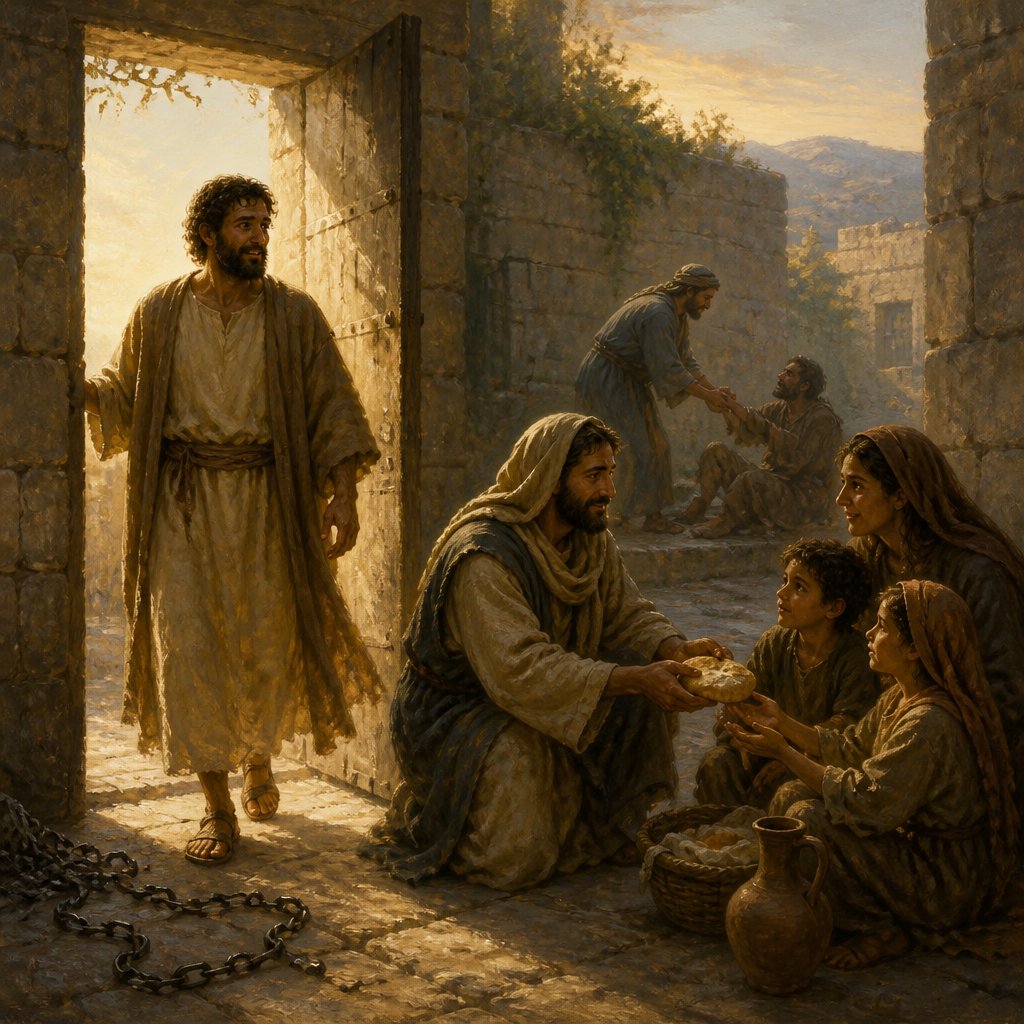
Psalm 146:7 from the King James Version of the Bible reads: "Which executeth judgment for the oppressed: which giveth food to the hungry. The Lord looseth the prisoners."
This verse is a powerful statement about the character and nature of God as a compassionate and merciful ruler. It is a testament to His benevolence and concern for the marginalized and oppressed members of society, and it provides a source of comfort and hope for those who are suffering.
The theme of justice is central to this verse, as it speaks to God's role as the ultimate arbiter of right and wrong. It emphasizes His commitment to executing judgment on behalf of the oppressed, a promise that has profound implications for social justice and equity. The verse suggests that God is actively involved in bringing about justice for those who are mistreated and marginalized, standing as a voice for the voiceless and a champion for the downtrodden.
The broader context of Psalm 146 reveals that it is a hymn of praise and gratitude, celebrating the goodness and faithfulness of God. The psalmist expresses unwavering trust in God's power and sovereignty, declaring that true happiness and security can only be found in Him. The emphasis on God's compassion and care for the vulnerable is consistent with the overall message of the psalm, which extols His character as a loving and just ruler.
The symbolism in this verse is multi-faceted, serving as a powerful reminder of God's unwavering commitment to justice and mercy. The image of God providing food to the hungry speaks to His role as a sustainer and provider, ensuring that the basic needs of His people are met. This imagery reflects the broader biblical theme of God's provision and care for His creation, underscoring His compassionate nature.
Likewise, the reference to God "loosening the prisoners" carries deep symbolic significance, evoking themes of liberation and freedom. Throughout the Bible, imprisonment is often used as a metaphor for the bondage of sin and spiritual oppression. By proclaiming that God "looseth the prisoners," the verse reinforces the idea of God as a liberator, breaking the chains of bondage and setting the captives free. This powerful symbol serves as a testament to God's redemptive power and His commitment to delivering His people from oppression and captivity.
In a broader theological sense, Psalm 146:7 also points to the Gospel message of freedom in Christ. It foreshadows the ultimate fulfillment of God's promise to bring justice and liberation to the oppressed through the redemptive work of Jesus Christ. As the ultimate expression of God's compassion and mercy, Jesus' ministry on earth exemplified the principles outlined in this verse, as He demonstrated a profound concern for the marginalized and oppressed.
In conclusion, Psalm 146:7 from the King James Version of the Bible is a powerful testament to the character of God as a compassionate and just ruler. It speaks to His unwavering commitment to executing judgment for the oppressed, providing for the hungry, and liberating the imprisoned. This verse serves as a source of comfort and hope for all who are suffering, reaffirming God's enduring love and concern for His people. Its themes of justice, provision, and liberation are deeply rooted in the broader biblical narrative, reflecting the overarching message of God's redemptive and transformative power.
Have questions about Psalms 146:7?
Dive deeper into this scripture with Bible Chat — an AI-powered tool for exploring God's Word through conversation. Ask questions, get context, and grow in your understanding of the Bible.
Get Our Apps


Psalms 146:7 Artwork

Psalms 146:7 - "Which executeth judgment for the oppressed: which giveth food to the hungry. The LORD looseth the prisoners:"

"Which executeth judgment for the oppressed: which giveth food to the hungry. The LORD looseth the prisoners:" - Psalms 146:7

"Praise ye the LORD. Praise the LORD, O my soul." - Psalms 146:1

Psalms 146:1 - "Praise ye the LORD. Praise the LORD, O my soul."

Psalms 146:8 - "The LORD openeth the eyes of the blind: the LORD raiseth them that are bowed down: the LORD loveth the righteous:"

Psalms 146:3 - "Put not your trust in princes, nor in the son of man, in whom there is no help."

Psalms 119:146 - "I cried unto thee; save me, and I shall keep thy testimonies."

Psalms 146:6 - "Which made heaven, and earth, the sea, and all that therein is: which keepeth truth for ever:"

Psalms 146:5 - "Happy is he that hath the God of Jacob for his help, whose hope is in the LORD his God:"

Psalms 146:9 - "The LORD preserveth the strangers; he relieveth the fatherless and widow: but the way of the wicked he turneth upside down."

"The LORD openeth the eyes of the blind: the LORD raiseth them that are bowed down: the LORD loveth the righteous:" - Psalms 146:8

"The LORD shall reign for ever, even thy God, O Zion, unto all generations. Praise ye the LORD." - Psalms 146:10

Psalms 146:10 - "The LORD shall reign for ever, even thy God, O Zion, unto all generations. Praise ye the LORD."

"His breath goeth forth, he returneth to his earth; in that very day his thoughts perish." - Psalms 146:4

Psalms 146:2 - "While I live will I praise the LORD: I will sing praises unto my God while I have any being."

"Which made heaven, and earth, the sea, and all that therein is: which keepeth truth for ever:" - Psalms 146:6

"I cried unto thee; save me, and I shall keep thy testimonies." - Psalms 119:146

"Put not your trust in princes, nor in the son of man, in whom there is no help." - Psalms 146:3

"Happy is he that hath the God of Jacob for his help, whose hope is in the LORD his God:" - Psalms 146:5

Psalms 20 7

"Happy is he that hath the God of Jacob for his help, whose hope is in the LORD his God:" - Psalms 146:5

"The LORD preserveth the strangers; he relieveth the fatherless and widow: but the way of the wicked he turneth upside down." - Psalms 146:9
psalm 80:1-7

Psalms 98:7 - "Let the sea roar, and the fulness thereof; the world, and they that dwell therein."

"While I live will I praise the LORD: I will sing praises unto my God while I have any being." - Psalms 146:2

Psalms 12:7 - "Thou shalt keep them, O LORD, thou shalt preserve them from this generation for ever."

"All sheep and oxen, yea, and the beasts of the field;" - Psalms 8:7

"Gebal, and Ammon, and Amalek; the Philistines with the inhabitants of Tyre;" - Psalms 83:7

"So shall the congregation of the people compass thee about: for their sakes therefore return thou on high." - Psalms 7:7

Psalms 88:7 - "Thy wrath lieth hard upon me, and thou hast afflicted me with all thy waves. Selah."