What does Psalms 141:2 mean?
"Let my prayer be set forth before thee as incense; and the lifting up of my hands as the evening sacrifice." - Psalms 141:2
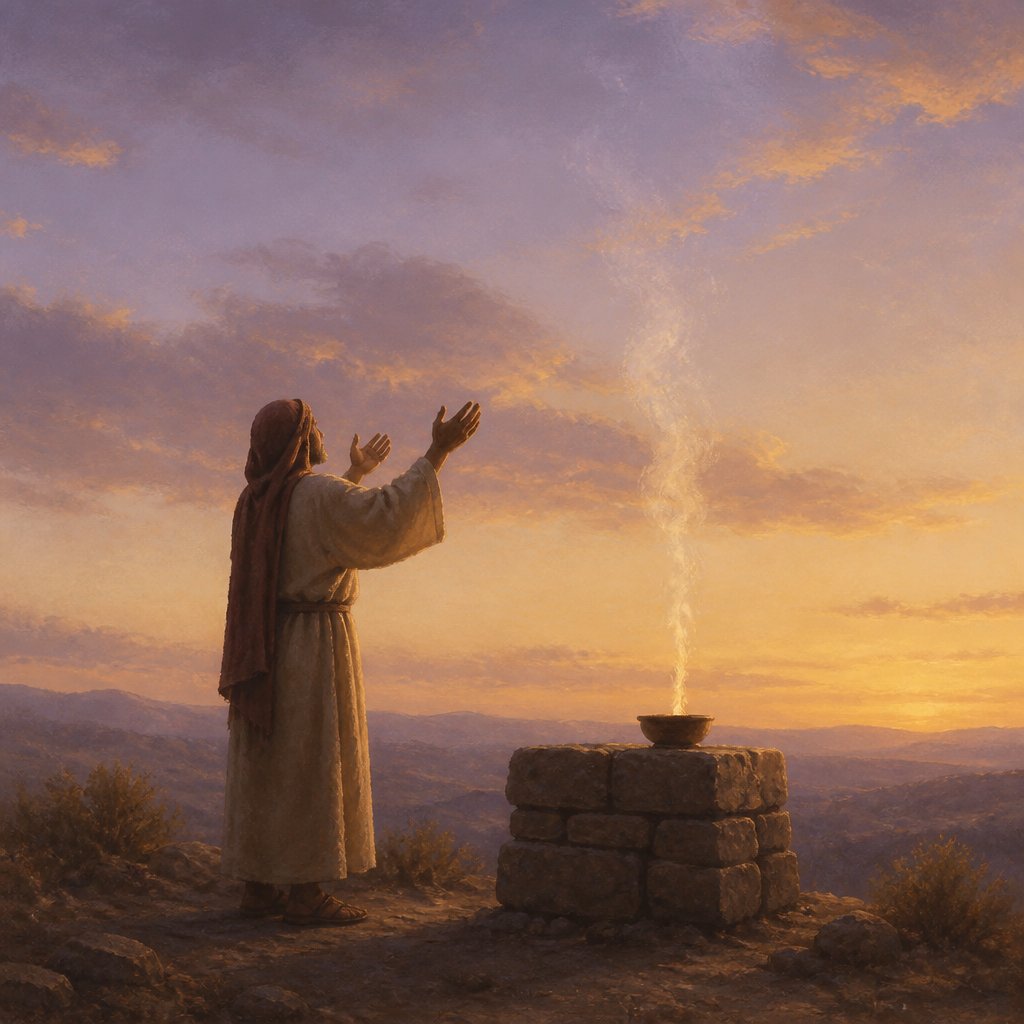
Psalms 141:2 (KJV) reads, "Let my prayer be set forth before thee as incense; and the lifting up of my hands as the evening sacrifice." This verse highlights the importance of prayer and the symbolism of incense and sacrifice in the context of worship and devotion to God. To truly grasp the depth and meaning of this verse, it is important to unpack the themes, context, and symbolism present.
The theme of prayer is central to this verse. Prayer is seen as a form of communication with God, a way for believers to express their desires, concerns, and gratitude. The psalmist's plea for his prayer to be set forth before God as incense conveys his earnest desire for his prayers to be accepted and well-pleasing to God. It speaks to the psalmist's heart of humility and longing for communion with God, emphasizing the intimate and personal nature of prayer.
The use of incense in this verse holds significant symbolism. In ancient times, incense was commonly used in religious ceremonies as a fragrant offering to God. The rising smoke of the incense was believed to symbolize the prayers of the faithful ascending to God. In this context, the psalmist's comparison of his prayer to incense emphasizes the idea of offering up one's prayers as a pleasing and acceptable sacrifice to God. It also signifies the fragrance of the psalmist's devotion and the sweet aroma of his worship. The imagery of incense further underscores the spiritual nature of prayer and the transcendent connection between the earthly and the heavenly realm through prayer.
The mention of "the lifting up of my hands as the evening sacrifice" further reinforces the theme of sacrifice and worship in the verse. In ancient Jewish tradition, sacrifices were a central element of worship, with offerings made at specific times and in specific ways as a means of seeking atonement, forgiveness, and thanksgiving. The lifting up of hands as a sacrifice represents an act of surrender, dedication, and reverence before God. It signifies the psalmist's desire to offer his whole self as a living sacrifice, as an act of worship that goes beyond external rituals to encompass the inner disposition of the heart.
The context of this verse can be found in the broader setting of the Book of Psalms, which is a collection of hymns and prayers attributed to King David and other authors. This particular psalm is attributed to David and is a plea for God's protection and deliverance from wicked adversaries. It reflects the psalmist's trust in God's righteousness and his reliance on God as the defender and refuge of the righteous. In this context, the verse serves as an expression of the psalmist's devotion and reliance on God, seeking to align his prayers with the heart and will of God.
Moreover, in the larger biblical context, this verse can be understood in light of the broader themes of worship, atonement, and relationship with God. It echoes the Old Testament emphasis on the centrality of prayer and offering in the life of believers, as well as the continuous yearning for closeness to God and spiritual communion with Him. Furthermore, this verse also anticipates the New Testament teachings on prayer as an essential aspect of the Christian life, reflecting the continuity of the biblical theme of prayer and sacrifice across both Old and New Testaments.
In conclusion, Psalms 141:2 (KJV) conveys a profound message about the significance of prayer, the symbolism of incense and sacrifice, and the devout yearning for communion with God. It underscores the spiritual essence of prayer as an act of worship, surrender, and devotion, and it invites believers to offer their prayers as a fragrant incense and a pleasing sacrifice before God. As believers seek to understand and internalize the message of this verse, they are encouraged to cultivate a heart of humility, faith, and fervent devotion in their approach to God in prayer. This timeless verse continues to resonate with believers, inspiring them to embrace the transformative power of prayer and the sacrificial nature of worship as they seek to draw nearer to the divine presence.
Have questions about Psalms 141:2?
Dive deeper into this scripture with Bible Chat — an AI-powered tool for exploring God's Word through conversation. Ask questions, get context, and grow in your understanding of the Bible.
Get Our Apps


Psalms 141:2 Artwork

Psalms 141:2 - "Let my prayer be set forth before thee as incense; and the lifting up of my hands as the evening sacrifice."
"Let my prayer be set forth before thee as incense; and the lifting up of my hands as the evening sacrifice." - Psalms 141:2
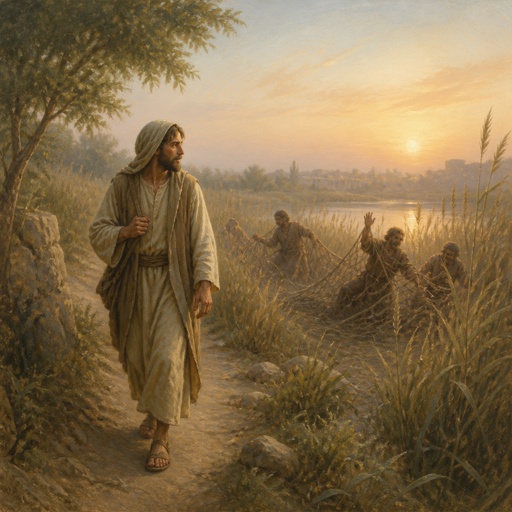
"Let the wicked fall into their own nets, whilst that I withal escape." - Psalms 141:10

Psalms 141:10 - "Let the wicked fall into their own nets, whilst that I withal escape."

Psalms 141:6 - "When their judges are overthrown in stony places, they shall hear my words; for they are sweet."
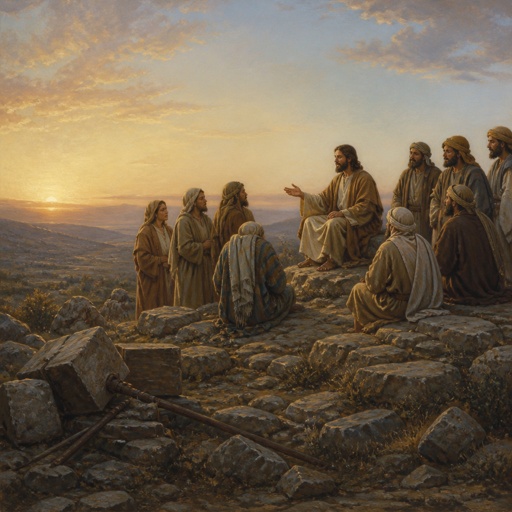
"When their judges are overthrown in stony places, they shall hear my words; for they are sweet." - Psalms 141:6

Psalms 119:141 - "I am small and despised: yet do not I forget thy precepts."

Psalms 141:9 - "Keep me from the snares which they have laid for me, and the gins of the workers of iniquity."

Psalms 141:3 - "Set a watch, O LORD, before my mouth; keep the door of my lips."

Psalms 141:7 - "Our bones are scattered at the grave's mouth, as when one cutteth and cleaveth wood upon the earth."

Psalms 141:8 - "But mine eyes are unto thee, O GOD the Lord: in thee is my trust; leave not my soul destitute."

Psalms 141:4 - "Incline not my heart to any evil thing, to practise wicked works with men that work iniquity: and let me not eat of their dainties."

Psalms 141:1 - "LORD, I cry unto thee: make haste unto me; give ear unto my voice, when I cry unto thee."
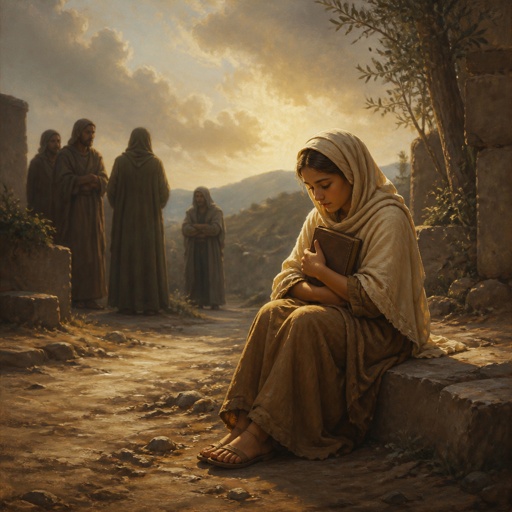
"I am small and despised: yet do not I forget thy precepts." - Psalms 119:141
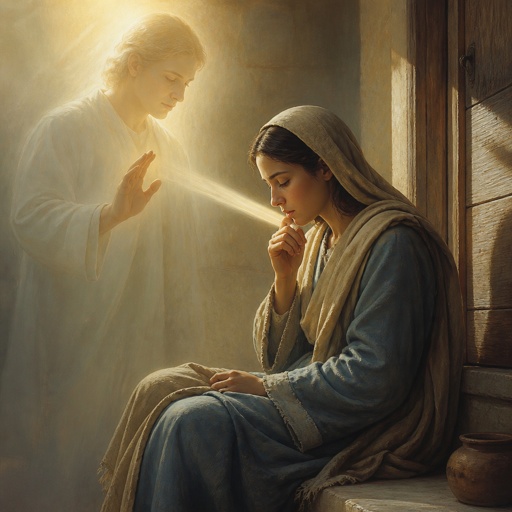
"Set a watch, O LORD, before my mouth; keep the door of my lips." - Psalms 141:3

"Keep me from the snares which they have laid for me, and the gins of the workers of iniquity." - Psalms 141:9

Psalms 141:5 - "Let the righteous smite me; it shall be a kindness: and let him reprove me; it shall be an excellent oil, which shall not break my head: for yet my prayer also shall be in their calamities."
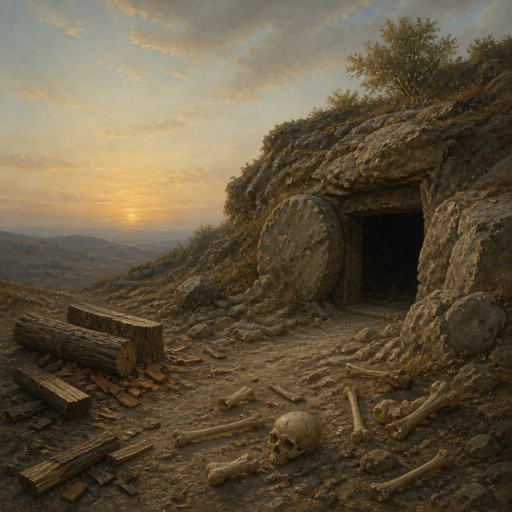
"Our bones are scattered at the grave's mouth, as when one cutteth and cleaveth wood upon the earth." - Psalms 141:7

Psalms 81:2 - "Take a psalm, and bring hither the timbrel, the pleasant harp with the psaltery."

"But mine eyes are unto thee, O GOD the Lord: in thee is my trust; leave not my soul destitute." - Psalms 141:8
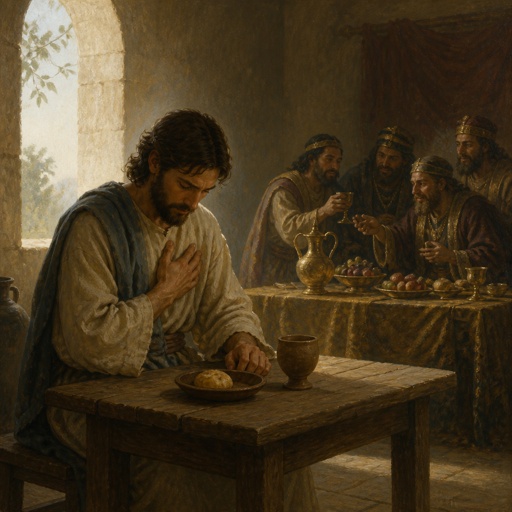
"Incline not my heart to any evil thing, to practise wicked works with men that work iniquity: and let me not eat of their dainties." - Psalms 141:4

"LORD, I cry unto thee: make haste unto me; give ear unto my voice, when I cry unto thee." - Psalms 141:1
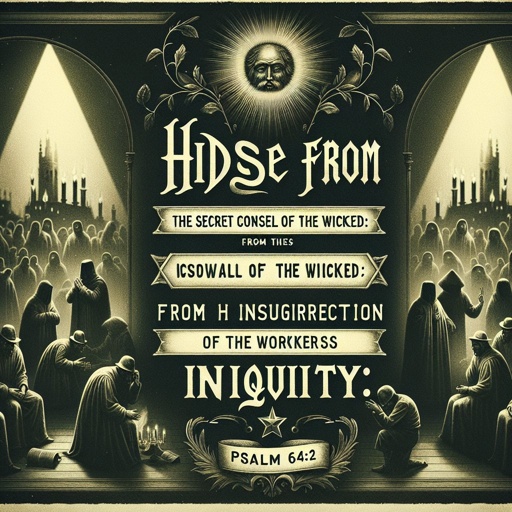
Psalms 64:2 - "Hide me from the secret counsel of the wicked; from the insurrection of the workers of iniquity:"
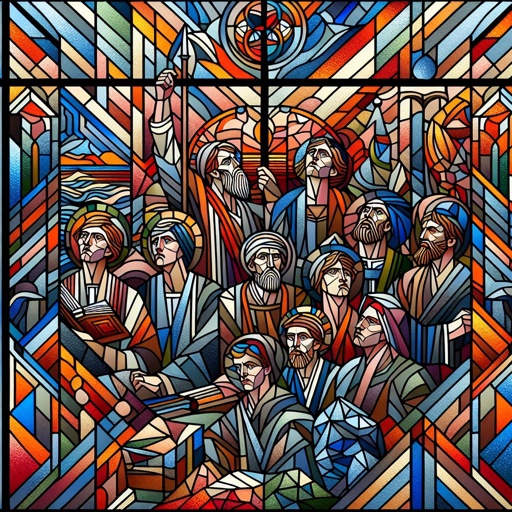
Psalms 115:2 - "Wherefore should the heathen say, Where is now their God?"

"Take a psalm, and bring hither the timbrel, the pleasant harp with the psaltery." - Psalms 81:2

Psalms 149:2 - "Let Israel rejoice in him that made him: let the children of Zion be joyful in their King."

Psalms 54:2 - "Hear my prayer, O God; give ear to the words of my mouth."

Psalms 5:2 - "Hearken unto the voice of my cry, my King, and my God: for unto thee will I pray."

Psalms 17:2 - "Let my sentence come forth from thy presence; let thine eyes behold the things that are equal."
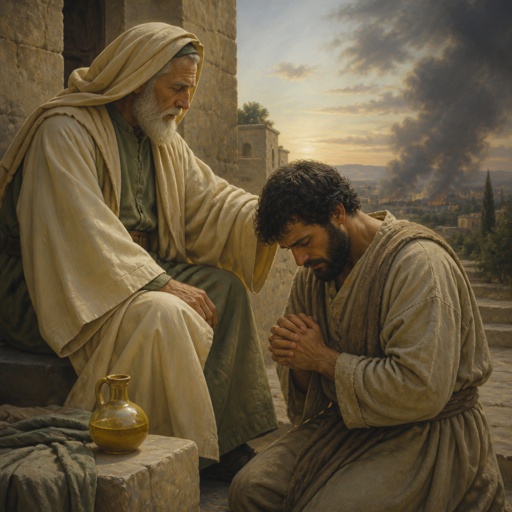
"Let the righteous smite me; it shall be a kindness: and let him reprove me; it shall be an excellent oil, which shall not break my head: for yet my prayer also shall be in their calamities." - Psalms 141:5