What does Psalms 139:20 mean?
"For they speak against thee wickedly, and thine enemies take thy name in vain." - Psalms 139:20

Psalms 139:20 (KJV) states: "For they speak against thee wickedly, and thine enemies take thy name in vain."
This verse is from Psalm 139, a deeply personal and reflective psalm attributed to King David. The entire psalm is a beautiful reflection on God's omnipresence and omniscience, with David expressing awe and gratitude for God's intimate knowledge of him. As the psalm unfolds, David praises God for His creative power, His knowledge of David's every thought and action, and His sustained presence throughout every moment of David's life.
Verse 20 serves as a sharp contrast to the praise and gratitude expressed throughout the rest of the psalm. Here, David laments the actions of those who speak against God wickedly and take His name in vain. This verse captures the tension often present in the Psalms, where expressions of praise and thanksgiving are juxtaposed with laments and pleas for justice.
The theme of speaking against God wickedly is a recurring theme throughout the entire Bible. In this context, it refers to any form of blasphemy or slander directed at God or His character. It could also encompass any act or word that belittles or diminishes the name and character of God. Throughout history, there have been countless examples of individuals and societies who have spoken against God in this way, denying His existence, mocking His power, or defaming His name. In the Old Testament, those who spoke against God often faced severe consequences for their actions.
Taking God's name in vain is a specific form of speaking against God, specifically referring to the misuse of God's name. This commandment is found in the book of Exodus, where God instructs His people to not take His name in vain (Exodus 20:7). This commandment is meant to emphasize the holiness and reverence due to God and His name. Taking God's name in vain can encompass a wide range of actions, including using His name flippantly or irreverently, making false oaths in His name, or invoking His name for selfish or insincere purposes.
The context of this verse is important to understanding its significance. David is not simply expressing personal frustration or anger at those who speak against God. Rather, his lament reflects a deep concern for the honor and glory of God's name. It is a plea for God to defend His own honor and righteousness in the face of those who would seek to defame Him.
The symbolism in this verse is also significant. The actions of speaking against God wickedly and taking His name in vain reveal a deeper spiritual condition. They reflect a rebellion against God's authority, a rejection of His sovereignty, and a disregard for His holiness. The use of the term "enemies" in this verse emphasizes the spiritual warfare and opposition that exists between those who stand against God and His followers.
In conclusion, Psalms 139:20 is a powerful reminder of the importance of honoring and revering God's name. It serves as a call to all believers to uphold the honor and glory of God in the face of those who would seek to diminish it. It also points to the ultimate sovereignty and righteousness of God, who will ultimately judge those who speak against Him wickedly and take His name in vain. This verse challenges us to consider our words and actions in relation to God's name and to uphold His honor in all that we do.
Have questions about Psalms 139:20?
Dive deeper into this scripture with Bible Chat — an AI-powered tool for exploring God's Word through conversation. Ask questions, get context, and grow in your understanding of the Bible.
Get Our Apps


Psalms 139:20 Artwork

Psalms 139:20 - "For they speak against thee wickedly, and thine enemies take thy name in vain."

"For they speak against thee wickedly, and thine enemies take thy name in vain." - Psalms 139:20

Psalms 139:23 - "Search me, O God, and know my heart: try me, and know my thoughts:"

"If I take the wings of the morning, and dwell in the uttermost parts of the sea;" - Psalms 139:9

Psalms 139:1 - "O LORD, thou hast searched me, and known me."

Psalms 139:9 - "If I take the wings of the morning, and dwell in the uttermost parts of the sea;"

Psalms 139:24 - "And see if there be any wicked way in me, and lead me in the way everlasting."

Psalms 139:4 - "For there is not a word in my tongue, but, lo, O LORD, thou knowest it altogether."

Psalms 139:6 - "Such knowledge is too wonderful for me; it is high, I cannot attain unto it."

"I hate them with perfect hatred: I count them mine enemies." - Psalms 139:22

Psalms 139:22 - "I hate them with perfect hatred: I count them mine enemies."

Psalms 139:5 - "Thou hast beset me behind and before, and laid thine hand upon me."

Psalms 139:13 - "For thou hast possessed my reins: thou hast covered me in my mother's womb."

Psalms 139:2 - "Thou knowest my downsitting and mine uprising, thou understandest my thought afar off."

Psalms 139:3 - "Thou compassest my path and my lying down, and art acquainted with all my ways."

Psalms 119:139 - "My zeal hath consumed me, because mine enemies have forgotten thy words."

Psalms 139:10 - "Even there shall thy hand lead me, and thy right hand shall hold me."

Psalms 139:11 - "If I say, Surely the darkness shall cover me; even the night shall be light about me."

Psalms 139:17 - "How precious also are thy thoughts unto me, O God! how great is the sum of them!"

"My zeal hath consumed me, because mine enemies have forgotten thy words." - Psalms 119:139
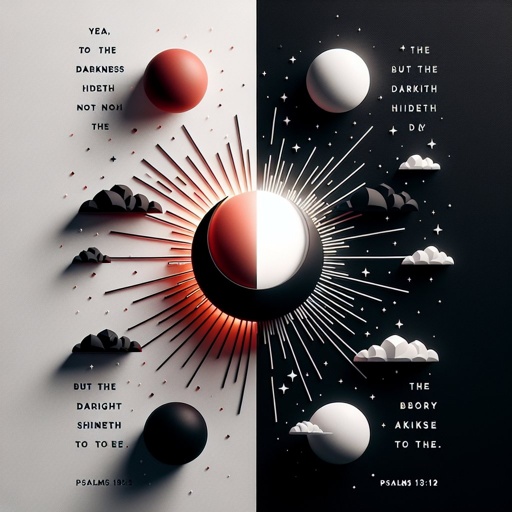
Psalms 139:12 - "Yea, the darkness hideth not from thee; but the night shineth as the day: the darkness and the light are both alike to thee."

"Search me, O God, and know my heart: try me, and know my thoughts:" - Psalms 139:23

Psalms 20 7

Psalms 139:7 - "Whither shall I go from thy spirit? or whither shall I flee from thy presence?"

"If I say, Surely the darkness shall cover me; even the night shall be light about me." - Psalms 139:11

"Even there shall thy hand lead me, and thy right hand shall hold me." - Psalms 139:10

Psalms 139:8 - "If I ascend up into heaven, thou art there: if I make my bed in hell, behold, thou art there."

Psalms 139:19 - "Surely thou wilt slay the wicked, O God: depart from me therefore, ye bloody men."

Psalms 139:15 - "My substance was not hid from thee, when I was made in secret, and curiously wrought in the lowest parts of the earth."
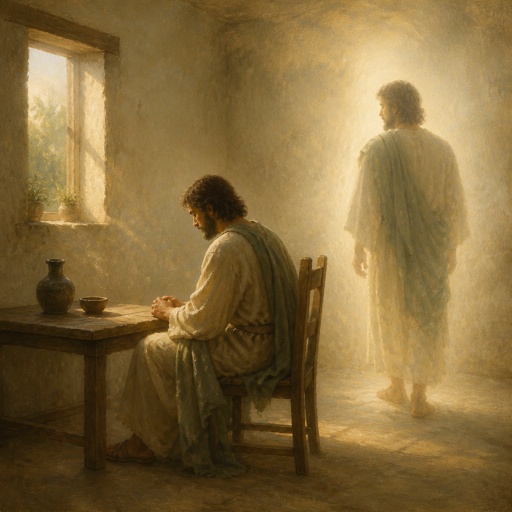
"Thou knowest my downsitting and mine uprising, thou understandest my thought afar off." - Psalms 139:2