What does Psalms 137:9 mean?
"Happy shall he be, that taketh and dasheth thy little ones against the stones." - Psalms 137:9
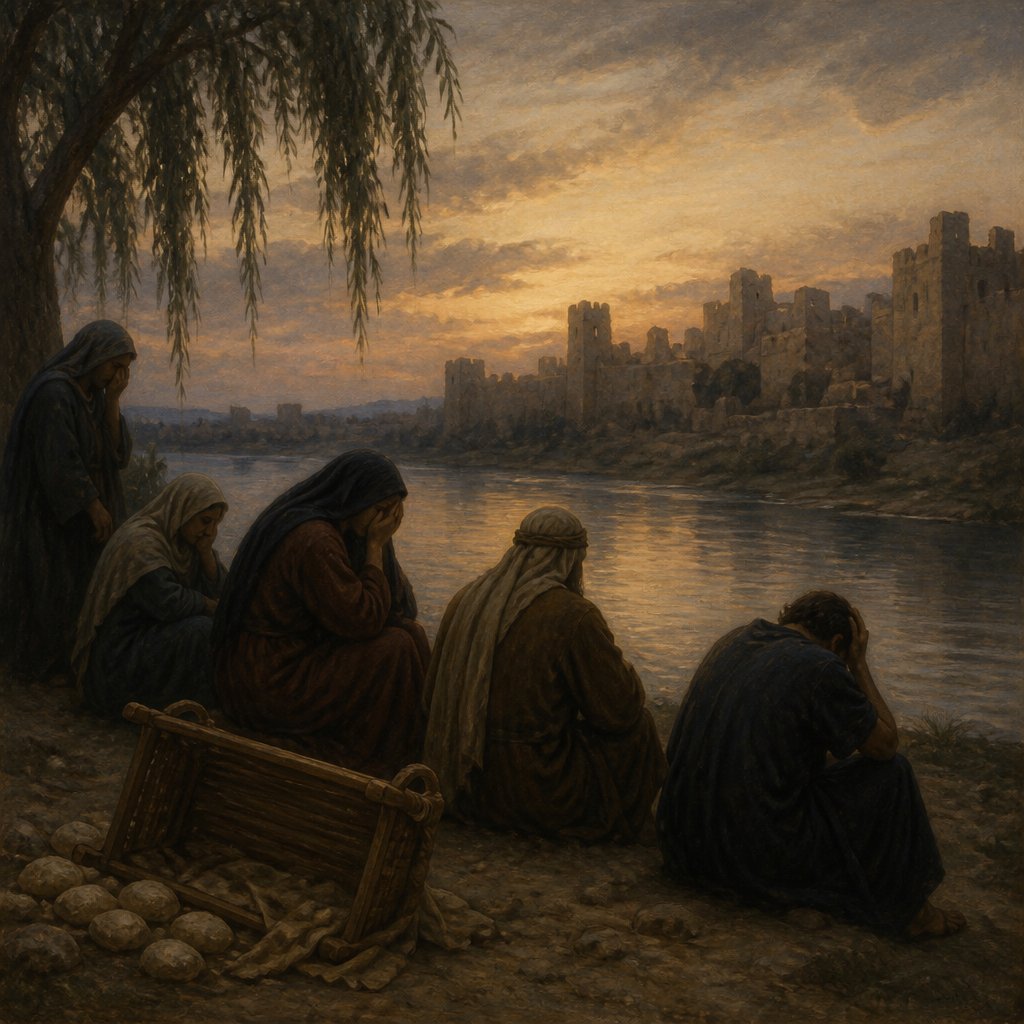
The verse Psalms 137:9 from the King James Version of the Bible states, "Happy shall he be, that taketh and dasheth thy little ones against the stones." This verse is a part of Psalm 137, which is a lament of the Israelites during their exile in Babylon. The Psalm reflects the deep sorrow and despair of the people as they long for their homeland and experience the pain of separation from their sacred city of Jerusalem.
To understand the context and meaning of this verse, it is important to consider the historical background in which it was written. The Babylonian exile occurred in the 6th century BCE when the Babylonian Empire, under the rule of King Nebuchadnezzar, conquered the kingdom of Judah and destroyed the city of Jerusalem. The Israelites were forcibly removed from their land and taken to Babylon as captives. The Psalm reflects the feelings of grief, resentment, and longing for their homeland that the exiled Israelites experienced during this time.
In the verse Psalms 137:9, the speaker expresses a desire for vengeance against the Babylonians by inflicting harm on their children. The image of dashing the "little ones" of the Babylonians against the stones is a striking and gruesome depiction of the depth of the speaker's anger and desire for retribution. It is a raw and unfiltered expression of the intense emotions that the Israelites felt towards their oppressors.
The themes present in this verse include the suffering and longing for home of the exiled Israelites, the desire for justice and vengeance, and the tension between the need for forgiveness and the natural human response to injustice and pain. The verse illustrates the depth of the Israelites' despair and their yearning for retribution for the injustices they had suffered.
The symbolism in this verse is layered and complex. On one level, it depicts the dehumanizing effects of war and oppression, showing how the intense suffering and loss experienced by the Israelites had led to a desire for brutal retaliation. The act of dashing the children against the stones symbolizes the destruction of innocence and the brutality of war, as well as the dehumanization of the enemy.
On a deeper level, the verse reflects the struggle of the human spirit in the face of overwhelming pain and injustice. It raises profound ethical and moral questions about the nature of vengeance and the cycle of violence, as well as the complex interplay between justice and mercy. The verse forces us to confront the primal instincts of anger and the desire for revenge, and challenges us to consider the consequences of allowing these emotions to govern our actions.
In the broader context of the Bible, the verse Psalms 137:9 invites reflection on the themes of forgiveness and reconciliation, and the ethical dilemmas surrounding the desire for retribution. It calls for a deeper understanding of the complexities of human suffering and the need for healing and restoration in the face of deep wounds.
In conclusion, Psalms 137:9 is a powerful and unsettling verse that reflects the intense emotions of grief, anger, and longing for retribution experienced by the exiled Israelites. It serves as a stark reminder of the profound human suffering and the deep complexities of the human spirit in the face of injustice. The verse challenges us to confront the depths of our emotions and consider the ethical implications of our desire for vengeance, while also pointing to the need for healing and reconciliation in the face of profound pain.
Have questions about Psalms 137:9?
Dive deeper into this scripture with Bible Chat — an AI-powered tool for exploring God's Word through conversation. Ask questions, get context, and grow in your understanding of the Bible.
Get Our Apps


Psalms 137:9 Artwork

Psalms 137:9 - "Happy shall he be, that taketh and dasheth thy little ones against the stones."

"Happy shall he be, that taketh and dasheth thy little ones against the stones." - Psalms 137:9

"Righteous art thou, O LORD, and upright are thy judgments." - Psalms 119:137

Psalms 137:2 - "We hanged our harps upon the willows in the midst thereof."

Psalms 119:137 - "Righteous art thou, O LORD, and upright are thy judgments."

"How shall we sing the LORD'S song in a strange land?" - Psalms 137:4

"We hanged our harps upon the willows in the midst thereof." - Psalms 137:2

Psalms 137:4 - "How shall we sing the LORD'S song in a strange land?"

"If I forget thee, O Jerusalem, let my right hand forget her cunning." - Psalms 137:5

Psalms 137:1 - "By the rivers of Babylon, there we sat down, yea, we wept, when we remembered Zion."

Psalms 137:5 - "If I forget thee, O Jerusalem, let my right hand forget her cunning."

Psalms 137:7 - "Remember, O LORD, the children of Edom in the day of Jerusalem; who said, Rase it, rase it, even to the foundation thereof."

"By the rivers of Babylon, there we sat down, yea, we wept, when we remembered Zion." - Psalms 137:1

Psalms 137:8 - "O daughter of Babylon, who art to be destroyed; happy shall he be, that rewardeth thee as thou hast served us."

PSALMS 137;5 SHOWING THE OLD CITY OF JERUSALEM

"O daughter of Babylon, who art to be destroyed; happy shall he be, that rewardeth thee as thou hast served us." - Psalms 137:8

Psalms 137:3 - "For there they that carried us away captive required of us a song; and they that wasted us required of us mirth, saying, Sing us one of the songs of Zion."

Psalms 137:6 - "If I do not remember thee, let my tongue cleave to the roof of my mouth; if I prefer not Jerusalem above my chief joy."

"If I do not remember thee, let my tongue cleave to the roof of my mouth; if I prefer not Jerusalem above my chief joy." - Psalms 137:6

"For there they that carried us away captive required of us a song; and they that wasted us required of us mirth, saying, Sing us one of the songs of Zion." - Psalms 137:3

Psalms 107:9
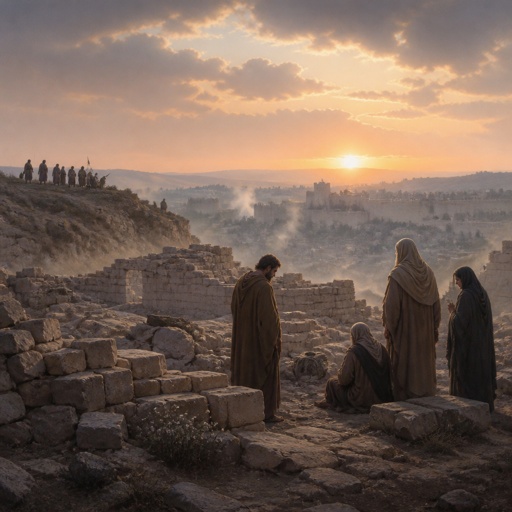
"Remember, O LORD, the children of Edom in the day of Jerusalem; who said, Rase it, rase it, even to the foundation thereof." - Psalms 137:7

"The LORD also will be a refuge for the oppressed, a refuge in times of trouble." - Psalms 9:9

Psalms 59:9 - "Because of his strength will I wait upon thee: for God is my defence."

"Mountains, and all hills; fruitful trees, and all cedars:" - Psalms 148:9

Psalms 9:5 - "Thou hast rebuked the heathen, thou hast destroyed the wicked, thou hast put out their name for ever and ever."
"If I take the wings of the morning, and dwell in the uttermost parts of the sea;" - Psalms 139:9

Psalms 9:14 - "That I may shew forth all thy praise in the gates of the daughter of Zion: I will rejoice in thy salvation."

Psalms 107:9

Psalms 9:9 - "The LORD also will be a refuge for the oppressed, a refuge in times of trouble."