What does Psalms 137:3 mean?
"For there they that carried us away captive required of us a song; and they that wasted us required of us mirth, saying, Sing us one of the songs of Zion." - Psalms 137:3
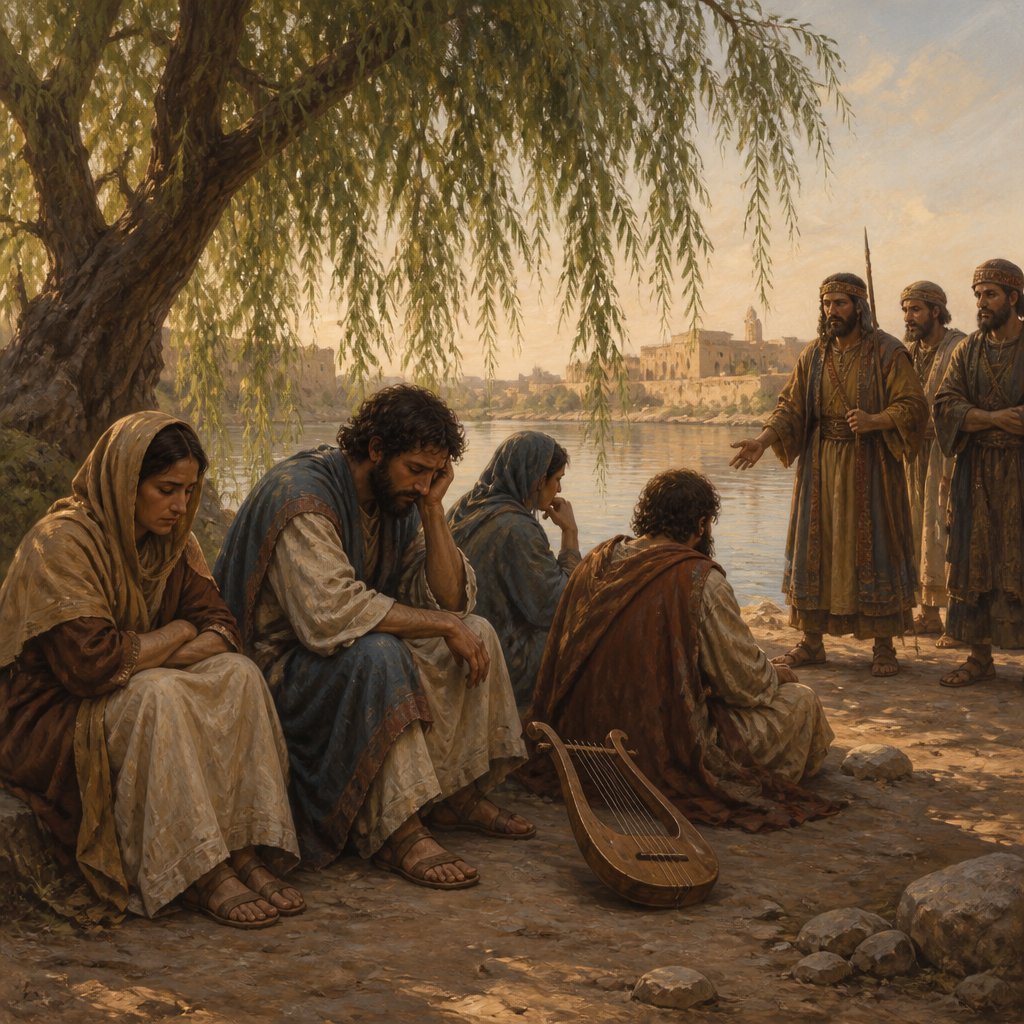
Psalm 137:3 from the King James Version of the Bible reads, "For there they that carried us away captive required of us a song; and they that wasted us required of us mirth, saying, Sing us one of the songs of Zion." This verse comes from a larger Psalm that is often referred to as the "Lament of the Exiles." This particular verse reflects the feelings and experiences of the Israelites as they were taken captive and exiled from their homeland.
To truly understand the meaning and significance of Psalm 137:3, it is important to provide some context. The Israelites were a chosen people, promised a land by God, and were led by Moses out of Egypt. They eventually established a kingdom under King David and built a magnificent temple in Jerusalem. However, due to their disobedience and rebellion against God, they faced the consequences of being conquered and exiled from their land.
The Babylonians, under the rule of King Nebuchadnezzar, conquered the Israelites and took them captive to Babylon. This traumatic event had a profound impact on the Israelites, and the emotions and experiences of this exile are reflected in Psalm 137. The Psalm starts off with the famous verses, "By the rivers of Babylon, there we sat down, yea, we wept, when we remembered Zion. We hanged our harps upon the willows in the midst thereof" (Psalm 137:1-2, KJV).
As we come to verse 3, we see the oppressors of the Israelites mocking them, asking for a song and mirth. This reflects the humiliation and dehumanization that the Israelites experienced at the hands of their captors. The captors "required" a song from the Israelites, indicating that they demanded entertainment and joy from those they had conquered. This further emphasizes the power dynamics at play and the suffering of the Israelites.
The mention of "the songs of Zion" in verse 3 holds deep significance. The "songs of Zion" refer to the spiritual and religious songs of the Israelites that were closely tied to their worship and connection to God. The captors' demand for these sacred songs further highlights the disrespect and desecration of the Israelites' faith and identity. It symbolizes the loss of their spiritual and cultural heritage as well as the mocking and degradation they endured.
The themes of loss, suffering, and longing are prevalent throughout Psalm 137, and verse 3 is no exception. This verse encapsulates the deep sense of sorrow, helplessness, and frustration that the Israelites felt as they endured the humiliation and oppression of their captors. It serves as a poignant reminder of the pain and trauma of exile and the longing for home and restoration.
In a broader sense, Psalm 137:3 can also be seen as a reflection of the universal human experience of oppression and dehumanization. It serves as a powerful reminder of the injustices and cruelties that have been inflicted upon countless people throughout history. The demand for a song and mirth from the oppressed can be seen as a symbol of the relentless demand for resilience and strength from those who are suffering. It speaks to the resilience and perseverance of the human spirit in the face of unspeakable hardships.
In conclusion, Psalm 137:3 from the King James Version of the Bible offers a profound and moving reflection on the experiences of the Israelites during their exile. It serves as a powerful reminder of the enduring human capacity for resilience and hope in the face of overwhelming adversity. The demand for the songs of Zion symbolizes the loss of spiritual and cultural identity, and the deep pain of longing for home and restoration. This verse resonates with readers across time and cultures, serving as a timeless testament to the universal human experience of suffering and longing for freedom and restoration.
Have questions about Psalms 137:3?
Dive deeper into this scripture with Bible Chat — an AI-powered tool for exploring God's Word through conversation. Ask questions, get context, and grow in your understanding of the Bible.
Get Our Apps


Psalms 137:3 Artwork

Psalms 137:3 - "For there they that carried us away captive required of us a song; and they that wasted us required of us mirth, saying, Sing us one of the songs of Zion."

"For there they that carried us away captive required of us a song; and they that wasted us required of us mirth, saying, Sing us one of the songs of Zion." - Psalms 137:3

"Righteous art thou, O LORD, and upright are thy judgments." - Psalms 119:137

Psalms 137:2 - "We hanged our harps upon the willows in the midst thereof."

Psalms 119:137 - "Righteous art thou, O LORD, and upright are thy judgments."

"How shall we sing the LORD'S song in a strange land?" - Psalms 137:4

"We hanged our harps upon the willows in the midst thereof." - Psalms 137:2

Psalms 137:4 - "How shall we sing the LORD'S song in a strange land?"

Psalms 137:9 - "Happy shall he be, that taketh and dasheth thy little ones against the stones."

"Happy shall he be, that taketh and dasheth thy little ones against the stones." - Psalms 137:9

"If I forget thee, O Jerusalem, let my right hand forget her cunning." - Psalms 137:5

Psalms 137:1 - "By the rivers of Babylon, there we sat down, yea, we wept, when we remembered Zion."

Psalms 137:5 - "If I forget thee, O Jerusalem, let my right hand forget her cunning."

Psalms 137:7 - "Remember, O LORD, the children of Edom in the day of Jerusalem; who said, Rase it, rase it, even to the foundation thereof."

"By the rivers of Babylon, there we sat down, yea, we wept, when we remembered Zion." - Psalms 137:1

Psalms 137:8 - "O daughter of Babylon, who art to be destroyed; happy shall he be, that rewardeth thee as thou hast served us."

PSALMS 137;5 SHOWING THE OLD CITY OF JERUSALEM

"O daughter of Babylon, who art to be destroyed; happy shall he be, that rewardeth thee as thou hast served us." - Psalms 137:8

Psalms 137:6 - "If I do not remember thee, let my tongue cleave to the roof of my mouth; if I prefer not Jerusalem above my chief joy."

"If I do not remember thee, let my tongue cleave to the roof of my mouth; if I prefer not Jerusalem above my chief joy." - Psalms 137:6
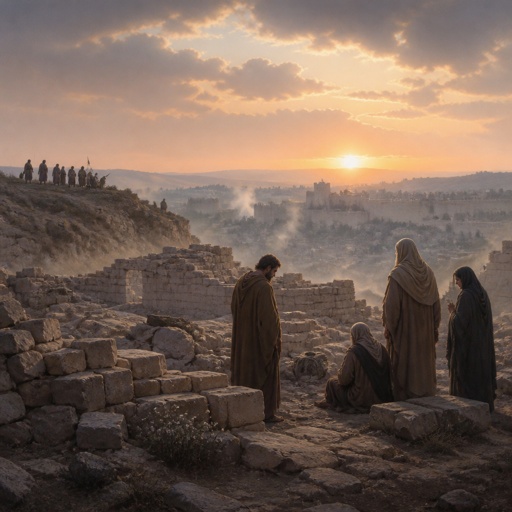
"Remember, O LORD, the children of Edom in the day of Jerusalem; who said, Rase it, rase it, even to the foundation thereof." - Psalms 137:7
Psalms 111:3 - "His work is honourable and glorious: and his righteousness endureth for ever."

Psalms 88:3 - "For my soul is full of troubles: and my life draweth nigh unto the grave."

Psalms 103:3 - "Who forgiveth all thine iniquities; who healeth all thy diseases;"

Psalms 87:3 - "Glorious things are spoken of thee, O city of God. Selah."

Psalms 67:3 - "Let the people praise thee, O God; let all the people praise thee."

Psalms 138:3 - "In the day when I cried thou answeredst me, and strengthenedst me with strength in my soul."

Psalms 116:3 - "The sorrows of death compassed me, and the pains of hell gat hold upon me: I found trouble and sorrow."

"The sea saw it, and fled: Jordan was driven back." - Psalms 114:3

"There is no speech nor language, where their voice is not heard." - Psalms 19:3