What does Psalms 137:1 mean?
"By the rivers of Babylon, there we sat down, yea, we wept, when we remembered Zion." - Psalms 137:1
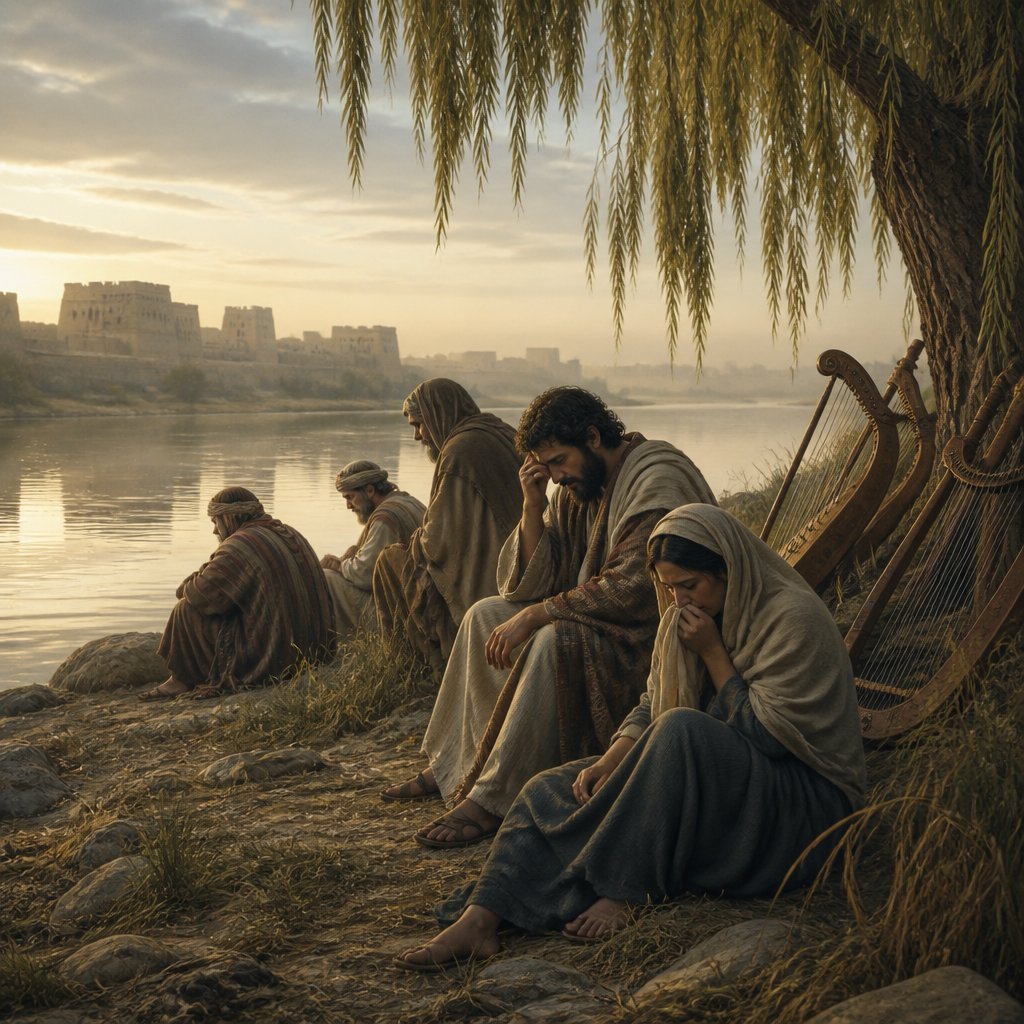
Psalm 137:1 in the King James Version of the Bible reads, "By the rivers of Babylon, there we sat down, yea, we wept, when we remembered Zion." This verse comes from the Book of Psalms, which is a collection of songs and prayers that were originally intended to be sung in worship. The psalms cover a wide range of emotions and experiences, and Psalm 137 is particularly poignant as it expresses the sorrow and longing of the Israelites during their captivity in Babylon.
The context of Psalm 137 is the Babylonian exile, which took place in the 6th century BCE when the Babylonian king Nebuchadnezzar conquered Jerusalem and took many of the Israelites captive. The Israelites were forcibly removed from their homeland and taken to Babylon, where they were made to serve as slaves. This period of exile was a time of intense suffering and hardship for the Israelites, who longed for the land of Zion, their homeland, and the Temple in Jerusalem.
The opening line of Psalm 137 sets the stage for the emotions that the Israelites were experiencing. The mention of the rivers of Babylon evokes the image of the place where the Israelites were living in exile, far from their beloved homeland. The act of sitting down and weeping by the riverside illustrates the deep sorrow and despair that the Israelites felt as they reflected on their lost homeland and the suffering they endured. The mention of Zion, the city of David and the spiritual center of Israel, underscores the longing and nostalgia the Israelites had for their home.
The theme of exile and longing is a central focus of Psalm 137. The psalm expresses the Israelites' feelings of displacement and alienation as they yearn for their homeland. This theme is universal and resonates with anyone who has experienced the pain of being separated from their home and familiar surroundings. It also speaks to the human longing for a sense of belonging, rootedness, and connection to a specific place.
In addition to the theme of exile, Psalm 137 also touches on the theme of lament and mourning. The psalm is a heartfelt expression of grief and sorrow, as the Israelites weep and mourn the loss of their homeland. This theme of lament is a common thread throughout the Book of Psalms, as it reflects the full range of human emotions and experiences, including joy, praise, thanksgiving, and sorrow.
The symbolism in Psalm 137 is rich and meaningful. The rivers of Babylon symbolize the place of exile and captivity, where the Israelites found themselves far from their homeland. The act of sitting down by the riverside and weeping symbolizes the Israelites' deep emotional pain and their yearning for the land of Zion. The mention of Zion as a symbol of hope and restoration serves to remind the Israelites that their present suffering is not the end of their story. The mention of Jerusalem and the Temple evoke the spiritual and cultural significance of these sacred places for the Israelites.
In Christian theology, Psalm 137 is often interpreted as a metaphor for the exile from God's presence due to sin. The longing for Zion can be seen as a longing for restoration and reconciliation with God. This interpretation reflects the broader theological theme of redemption and restoration, as well as the human yearning for spiritual wholeness and connection with the divine.
In conclusion, Psalm 137:1 is a powerful and moving expression of the Israelites' sorrow and longing during their captivity in Babylon. The verse captures the deep emotional pain and spiritual yearning of a people who are displaced from their homeland and long for restoration. The themes of exile, lament, and longing are universal and speak to the human experience of suffering and hope. The symbolism in the verse adds depth and richness to its meaning, while also inviting reflection on the spiritual and theological significance of the Israelites' longing for Zion. Psalm 137 continues to resonate with people today, as it offers a timeless expression of the human longing for home, restoration, and connection with the divine.
Have questions about Psalms 137:1?
Dive deeper into this scripture with Bible Chat — an AI-powered tool for exploring God's Word through conversation. Ask questions, get context, and grow in your understanding of the Bible.
Get Our Apps


Psalms 137:1 Artwork

Psalms 137:1 - "By the rivers of Babylon, there we sat down, yea, we wept, when we remembered Zion."

"By the rivers of Babylon, there we sat down, yea, we wept, when we remembered Zion." - Psalms 137:1

"Righteous art thou, O LORD, and upright are thy judgments." - Psalms 119:137

Psalms 119:137 - "Righteous art thou, O LORD, and upright are thy judgments."

Psalms 137:2 - "We hanged our harps upon the willows in the midst thereof."

"How shall we sing the LORD'S song in a strange land?" - Psalms 137:4

"We hanged our harps upon the willows in the midst thereof." - Psalms 137:2

Psalms 137:4 - "How shall we sing the LORD'S song in a strange land?"

Psalms 137:9 - "Happy shall he be, that taketh and dasheth thy little ones against the stones."

"Happy shall he be, that taketh and dasheth thy little ones against the stones." - Psalms 137:9

"If I forget thee, O Jerusalem, let my right hand forget her cunning." - Psalms 137:5

Psalms 137:5 - "If I forget thee, O Jerusalem, let my right hand forget her cunning."

Psalms 137:7 - "Remember, O LORD, the children of Edom in the day of Jerusalem; who said, Rase it, rase it, even to the foundation thereof."

Psalms 137:8 - "O daughter of Babylon, who art to be destroyed; happy shall he be, that rewardeth thee as thou hast served us."

PSALMS 137;5 SHOWING THE OLD CITY OF JERUSALEM

"O daughter of Babylon, who art to be destroyed; happy shall he be, that rewardeth thee as thou hast served us." - Psalms 137:8

Psalms 137:3 - "For there they that carried us away captive required of us a song; and they that wasted us required of us mirth, saying, Sing us one of the songs of Zion."

Psalms 137:6 - "If I do not remember thee, let my tongue cleave to the roof of my mouth; if I prefer not Jerusalem above my chief joy."

"If I do not remember thee, let my tongue cleave to the roof of my mouth; if I prefer not Jerusalem above my chief joy." - Psalms 137:6

"For there they that carried us away captive required of us a song; and they that wasted us required of us mirth, saying, Sing us one of the songs of Zion." - Psalms 137:3
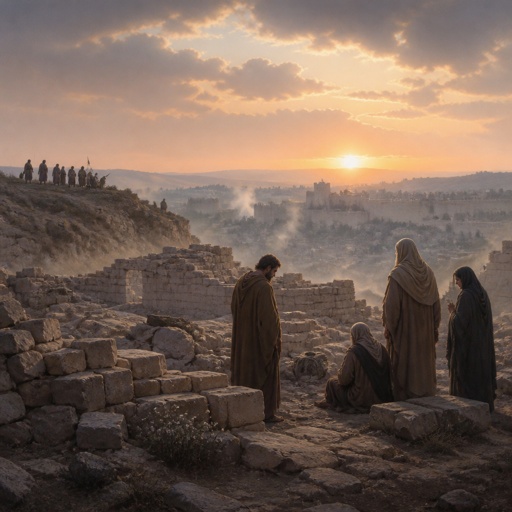
"Remember, O LORD, the children of Edom in the day of Jerusalem; who said, Rase it, rase it, even to the foundation thereof." - Psalms 137:7
psalm 80:1-7

Psalms 128:1 - "Blessed is every one that feareth the LORD; that walketh in his ways."

Psalms 122:1 - "I was glad when they said unto me, Let us go into the house of the LORD."

Psalms 15:1 (KJVA) 1 A Psalm of David. LORD, who shall abide in thy tabernacle? who shall dwell in thy holy hill?

Psalms 15:1 (KJVA) 1 A Psalm of David. LORD, who shall abide in thy tabernacle? who shall dwell in thy holy hill?

Psalms 64:1 - "Hear my voice, O God, in my prayer: preserve my life from fear of the enemy."

Psalms 14:1 (KJVA) 1 To the chief Musician, A Psalm of David. The fool hath said in his heart, There is no God. They are corrupt, they have done abominable works, there is none that doeth good.

Psalms 14:1 (KJVA) 1 To the chief Musician, A Psalm of David. The fool hath said in his heart, There is no God. They are corrupt, they have done abominable works, there is none that doeth good.

Psalms 14:1 (KJVA) 1 To the chief Musician, A Psalm of David. The fool hath said in his heart, There is no God. They are corrupt, they have done abominable works, there is none that doeth good.