What does Psalms 136:2 mean?
"O give thanks unto the God of gods: for his mercy endureth for ever." - Psalms 136:2
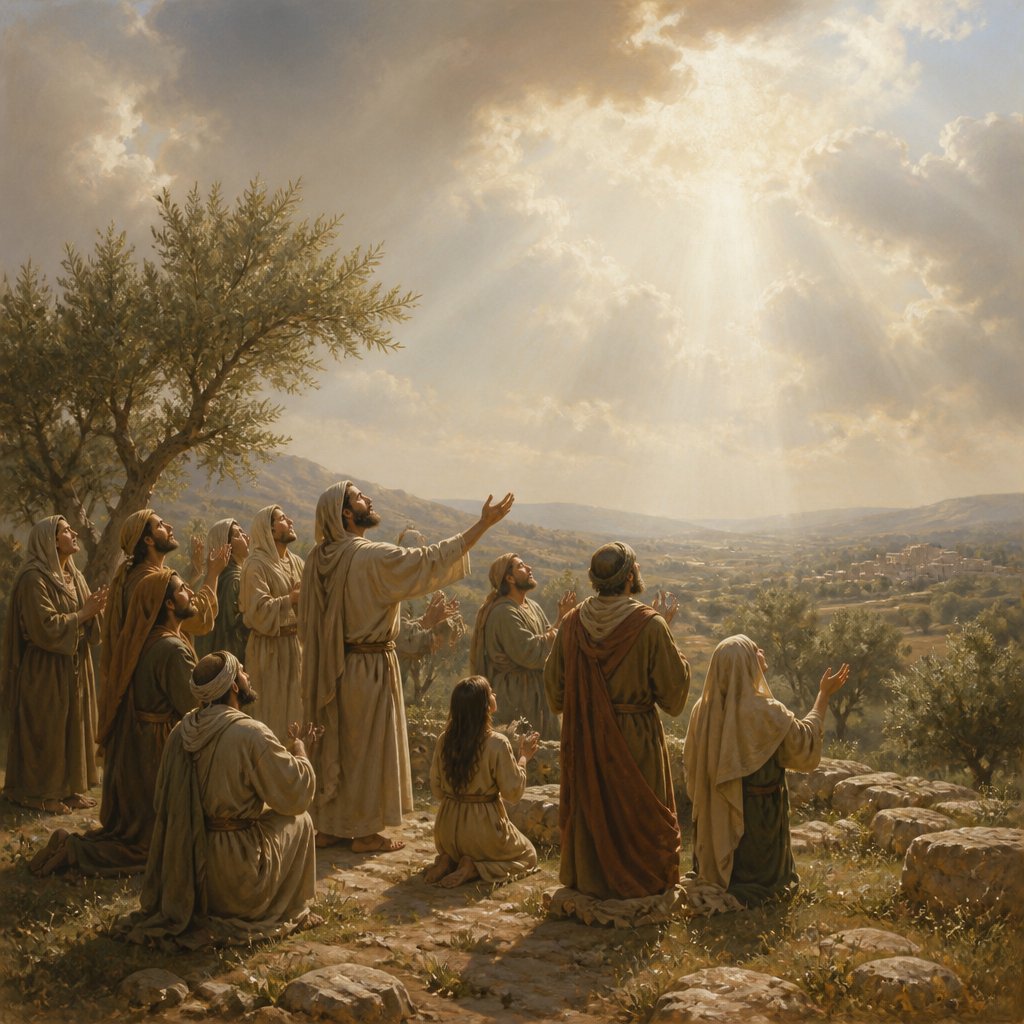
"Psalms 136:2 - O give thanks unto the God of gods: for his mercy endureth forever."
This verse from the book of Psalms is a call for gratitude and praise to the Almighty God. It emphasizes not only the greatness of God, but also His enduring mercy. The verse serves as a reminder that God's mercy is everlasting and unfailing, and that it is a reason for believers to continually give thanks and praise to Him.
The theme of gratitude and praise is a central aspect of the Christian faith, and this verse serves as an exhortation to believers to continually express their thanks to God. In the context of the entire psalm, which is a hymn of praise and thanksgiving, this verse stands as a declaration of the unchanging and enduring nature of God's mercy. It is a reminder to believers that no matter what challenges or trials they may face, God's mercy will always be present and available to them.
The verse also emphasizes the sovereignty of God, referring to Him as the God of gods. This highlights the greatness and majesty of God, and asserts His supremacy over all other powers or entities. It serves as a reminder to believers that there is no one and nothing that can compare to the greatness of God, and that He alone is worthy of all praise and thanks.
The symbolism in this verse lies in the concept of God's enduring mercy. Mercy, in the context of the Bible, refers to God's compassion, forgiveness, and loving-kindness towards His people. The fact that His mercy endures forever speaks to the eternal and unchanging nature of God's love for His creation.
The verse also reflects the character of God as revealed in the Bible. Throughout the Old Testament, God is often described as merciful and gracious, slow to anger, and abounding in steadfast love and faithfulness (Exodus 34:6). This verse reaffirms this characteristic of God, reminding believers that His mercy is not temporary or conditional, but rather an intrinsic part of His nature.
Additionally, the verse serves as a contrast to the transient nature of human existence. While people and circumstances may change, God's mercy remains constant and unchanging. This provides believers with a sense of security and hope, knowing that they can always rely on God's mercy, regardless of the situations they may face.
In conclusion, Psalms 136:2 is a powerful declaration of the enduring mercy of God and a call to give thanks and praise to Him. It serves as a reminder of God's greatness and sovereignty, as well as His unchanging love and compassion towards His people. The verse holds deep symbolic and thematic significance within the larger context of the Christian faith, and continues to inspire and encourage believers to this day.
Have questions about Psalms 136:2?
Dive deeper into this scripture with Bible Chat — an AI-powered tool for exploring God's Word through conversation. Ask questions, get context, and grow in your understanding of the Bible.
Get Our Apps


Psalms 136:2 Artwork

Psalms 136:2 - "O give thanks unto the God of gods: for his mercy endureth for ever."
"O give thanks unto the God of gods: for his mercy endureth for ever." - Psalms 136:2

Psalms 136:17 - "To him which smote great kings: for his mercy endureth for ever:"

Psalms 136:18 - "And slew famous kings: for his mercy endureth for ever:"

Psalms 136:21 - "And gave their land for an heritage: for his mercy endureth for ever:"

Psalms 136:26 - "O give thanks unto the God of heaven: for his mercy endureth for ever."

"And Og the king of Bashan: for his mercy endureth for ever:" - Psalms 136:20

Psalms 136:19 - "Sihon king of the Amorites: for his mercy endureth for ever:"

Psalms 136:20 - "And Og the king of Bashan: for his mercy endureth for ever:"

"And slew famous kings: for his mercy endureth for ever:" - Psalms 136:18

Psalms 136:10 - "To him that smote Egypt in their firstborn: for his mercy endureth for ever:"

Psalms 136:12 - "With a strong hand, and with a stretched out arm: for his mercy endureth for ever."

Psalms 136:8 - "The sun to rule by day: for his mercy endureth for ever:"

Psalms 136:6 - "To him that stretched out the earth above the waters: for his mercy endureth for ever."

Psalms 119:136 - "Rivers of waters run down mine eyes, because they keep not thy law."

Psalms 136:4 - "To him who alone doeth great wonders: for his mercy endureth for ever."

Psalms 136:15 - "But overthrew Pharaoh and his host in the Red sea: for his mercy endureth for ever."

Psalms 136:7 - "To him that made great lights: for his mercy endureth for ever:"

Psalms 136:9 - "The moon and stars to rule by night: for his mercy endureth for ever."

Psalms 136:5 - "To him that by wisdom made the heavens: for his mercy endureth for ever."

"O give thanks to the Lord of lords: for his mercy endureth for ever." - Psalms 136:3

Psalms 136:16 - "To him which led his people through the wilderness: for his mercy endureth for ever."

"Even an heritage unto Israel his servant: for his mercy endureth for ever." - Psalms 136:22

Psalms 136:25 - "Who giveth food to all flesh: for his mercy endureth for ever."

Psalms 136:14 - "And made Israel to pass through the midst of it: for his mercy endureth for ever:"

Psalms 136:3 - "O give thanks to the Lord of lords: for his mercy endureth for ever."

Psalms 136:13 - "To him which divided the Red sea into parts: for his mercy endureth for ever:"

Psalms 136:24 - "And hath redeemed us from our enemies: for his mercy endureth for ever."

Psalms 136:23 - "Who remembered us in our low estate: for his mercy endureth for ever:"

Psalms 136:11 - "And brought out Israel from among them: for his mercy endureth for ever:"