What does Psalms 130:7 mean?
"Let Israel hope in the LORD: for with the LORD there is mercy, and with him is plenteous redemption." - Psalms 130:7
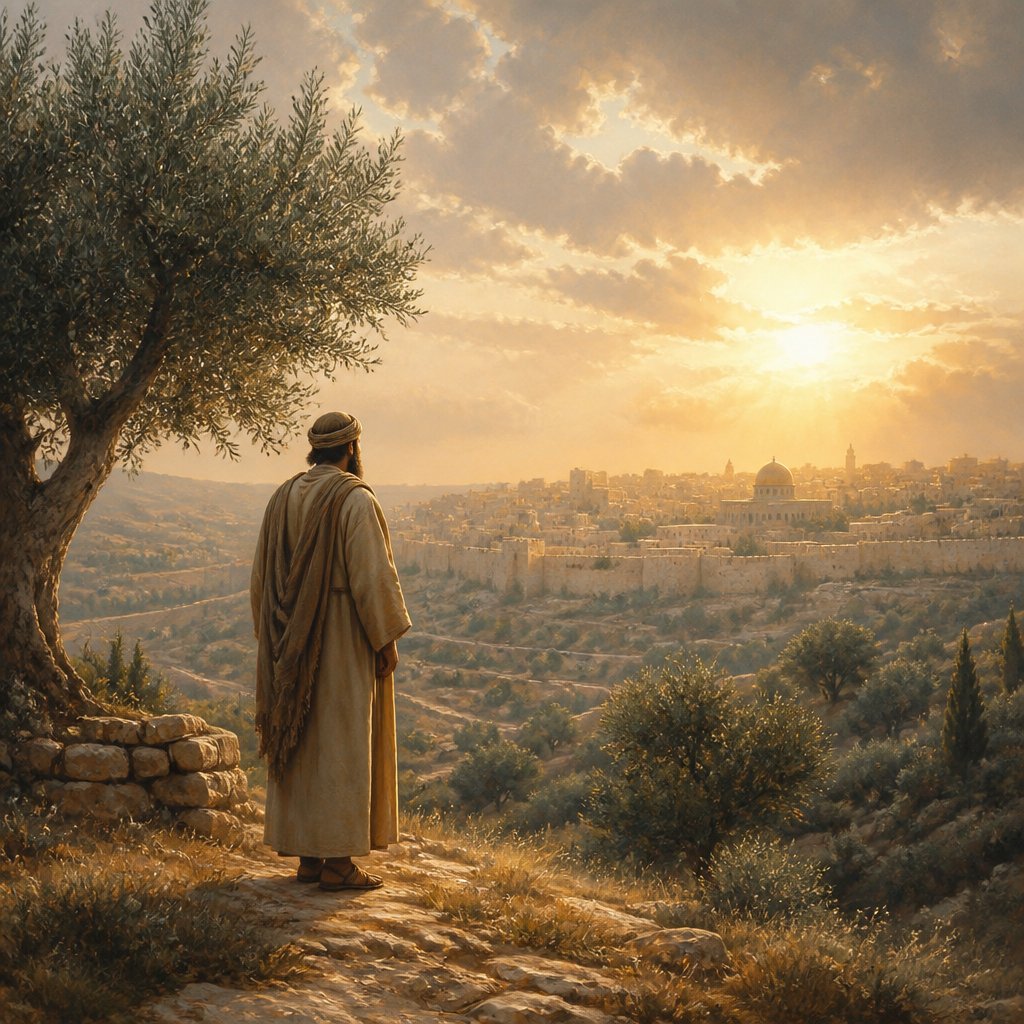
The Bible verse Psalms 130:7 in the King James Version (KJV) reads:
"Let Israel hope in the Lord: for with the Lord there is mercy, and with him is plenteous redemption."
This verse comes from Psalm 130, which is one of the penitential psalms, a collection of seven Psalms (6, 32, 38, 51, 102, 130, and 143) that express sorrow for sin and a longing for God's mercy and forgiveness. The psalmist cries out to God from the depths of despair, acknowledging his own sinful nature and desperately pleading for forgiveness and redemption.
The central theme of this verse is hope and trust in the Lord despite the depth of our sin and despair. The psalmist implores Israel to put their hope in the Lord, emphasizing that God is the source of mercy and redemption. This verse speaks to the enduring nature of God's love and the assurance that, no matter how far we have strayed, God's mercy is abundant and His redemption is plentiful.
The context of this verse is a plea for forgiveness and restoration. The psalmist acknowledges the gravity of Israel's sins and earnestly seeks reconciliation with God. The language used in this verse conveys a deep sense of longing and desperation, as the psalmist recognizes the need for divine intervention in order to be redeemed from iniquity.
The word "mercy" in this verse conveys the idea of compassion, forgiveness, and clemency. It reflects God's willingness to show compassion and forgiveness to those who repent and seek His grace. The psalmist recognizes that God's mercy is a fundamental aspect of His character and a source of hope and comfort for those who are in need of forgiveness.
The phrase "plenteous redemption" further emphasizes the abundance of God's grace and the completeness of His salvation. It signifies that God's redemption is not limited or scarce but rather overflowing and abundant. This expression conveys the idea that God's redemptive love knows no bounds and is available to all who turn to Him in faith and repentance.
The symbolism in this verse is profound and carries significant theological implications. The mention of Israel represents not only the nation of Israel but also all believers who are called to put their hope and trust in the Lord. The exhortation to hope in the Lord serves as a reminder of the importance of maintaining faith and confidence in God, especially in times of adversity and spiritual distress.
Furthermore, the reference to God's mercy and plenteous redemption points to the foundational principles of the Christian faith. It highlights the essential concept of grace, underscoring the fact that salvation is a gift of God that cannot be earned through human effort. This verse reinforces the belief in the unmerited nature of God's love and the sufficiency of His redemptive work through Christ.
In conclusion, Psalm 130:7 in the King James Version (KJV) encapsulates the profound themes of hope, mercy, and redemption. It conveys a message of encouragement and assurance to all who are in need of God's forgiveness and restoration. The verse serves as a powerful reminder of the boundless nature of God's love and the certainty of His redemptive power for those who place their trust in Him.
Have questions about Psalms 130:7?
Dive deeper into this scripture with Bible Chat — an AI-powered tool for exploring God's Word through conversation. Ask questions, get context, and grow in your understanding of the Bible.
Get Our Apps


Psalms 130:7 Artwork

Psalms 130:7 - "Let Israel hope in the LORD: for with the LORD there is mercy, and with him is plenteous redemption."

"Let Israel hope in the LORD: for with the LORD there is mercy, and with him is plenteous redemption." - Psalms 130:7

Psalms 130:6 - "My soul waiteth for the Lord more than they that watch for the morning: I say, more than they that watch for the morning."

Psalms 130:4 - "But there is forgiveness with thee, that thou mayest be feared."

Psalm 130:5-7, patience, watchful waiting

"The entrance of thy words giveth light; it giveth understanding unto the simple." - Psalms 119:130

"And he shall redeem Israel from all his iniquities." - Psalms 130:8

Psalms 130:2 - "Lord, hear my voice: let thine ears be attentive to the voice of my supplications."
"But there is forgiveness with thee, that thou mayest be feared." - Psalms 130:4

Psalms 130:8 - "And he shall redeem Israel from all his iniquities."

Psalms 119:130 - "The entrance of thy words giveth light; it giveth understanding unto the simple."

Psalms 130:1 - "Out of the depths have I cried unto thee, O LORD."

Psalms 130:3 - "If thou, LORD, shouldest mark iniquities, O Lord, who shall stand?"

Psalms 130:5 - "I wait for the LORD, my soul doth wait, and in his word do I hope."
"I wait for the LORD, my soul doth wait, and in his word do I hope." - Psalms 130:5
"My soul waiteth for the Lord more than they that watch for the morning: I say, more than they that watch for the morning." - Psalms 130:6
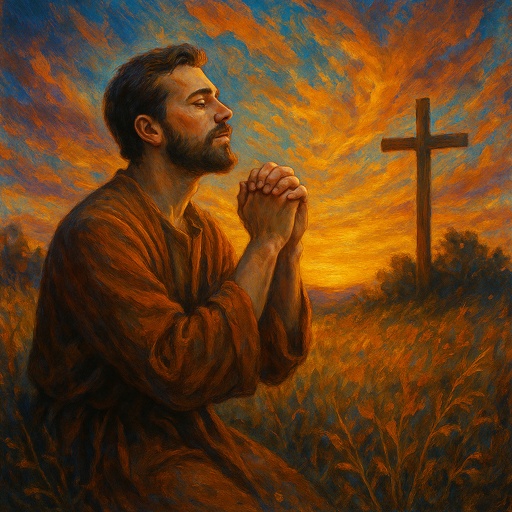
"I wait for the LORD, my soul doth wait, and in his word do I hope." - Psalms 130:5
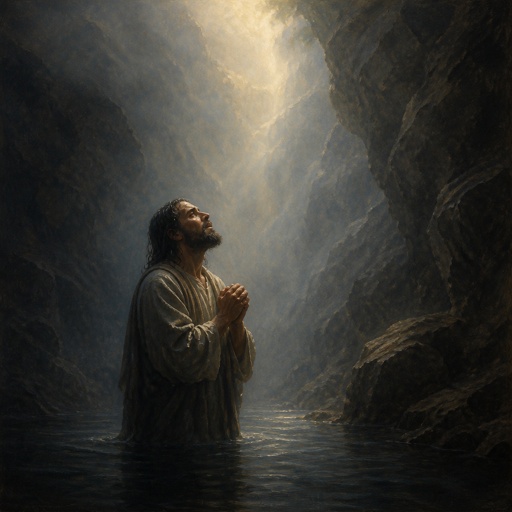
"Out of the depths have I cried unto thee, O LORD." - Psalms 130:1
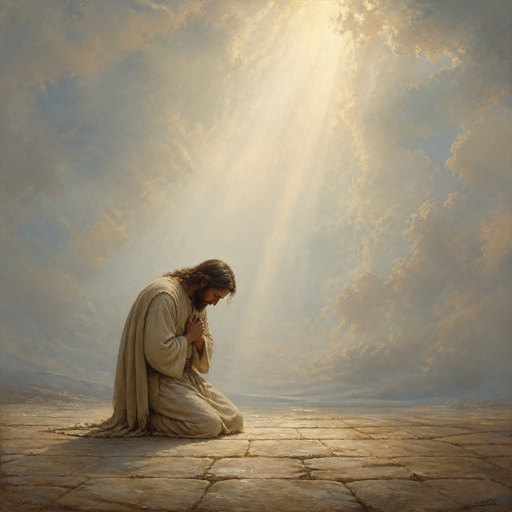
"If thou, LORD, shouldest mark iniquities, O Lord, who shall stand?" - Psalms 130:3

Psalms 20 7
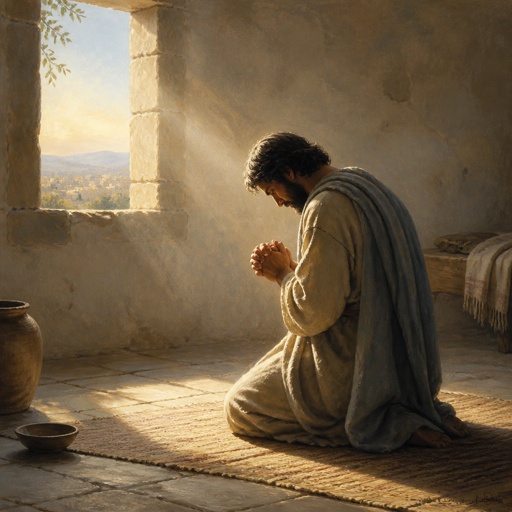
"Lord, hear my voice: let thine ears be attentive to the voice of my supplications." - Psalms 130:2
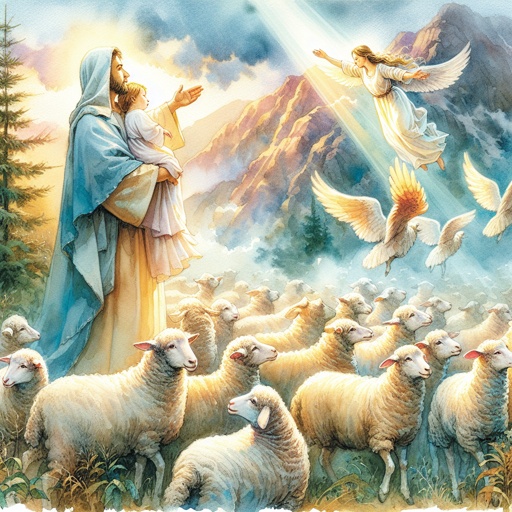
psalm 80:1-7

Psalms 98:7 - "Let the sea roar, and the fulness thereof; the world, and they that dwell therein."

Psalms 12:7 - "Thou shalt keep them, O LORD, thou shalt preserve them from this generation for ever."

"All sheep and oxen, yea, and the beasts of the field;" - Psalms 8:7

"Gebal, and Ammon, and Amalek; the Philistines with the inhabitants of Tyre;" - Psalms 83:7

"We will go into his tabernacles: we will worship at his footstool." - Psalms 132:7

"So shall the congregation of the people compass thee about: for their sakes therefore return thou on high." - Psalms 7:7

Psalms 88:7 - "Thy wrath lieth hard upon me, and thou hast afflicted me with all thy waves. Selah."

Psalms 22:7